








What's Happening?
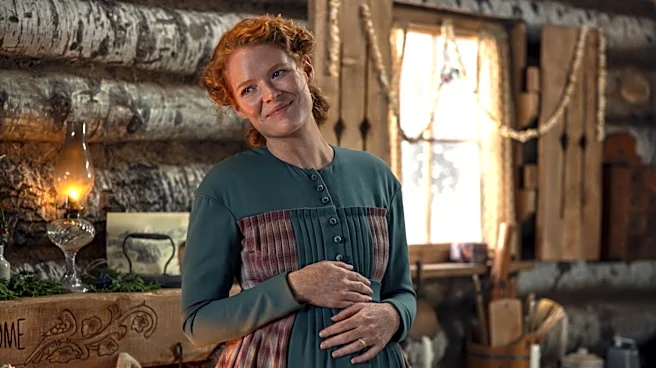
Netflix has released a new adaptation of 'Little House on the Prairie,' reimagining the classic Laura Ingalls Wilder story with a contemporary lens. The series introduces a diverse cast and modern themes, including multicultural friendships and egalitarian
family dynamics. This reboot has sparked discussions about its 'woke' approach, as it incorporates characters such as an Osage family and a Black doctor, diverging from the original narrative. The show retains the core elements of family and community but updates the story to reflect current social values. The adaptation has been met with mixed reactions, with some praising its inclusivity and others criticizing it for straying from the source material.
Why It's Important?
The Netflix adaptation of 'Little House on the Prairie' highlights the ongoing cultural conversation about representation and historical narratives in media. By updating the story to include diverse characters and perspectives, the series aims to resonate with contemporary audiences and address past criticisms of the original work's portrayal of Native Americans and other groups. This approach reflects a broader trend in entertainment to revisit and revise classic stories to align with modern values. The series' reception underscores the challenges and opportunities in adapting beloved works for new generations, balancing respect for the original with the need for inclusivity and relevance.
What's Next?
As the series continues, it will be important to monitor audience reactions and critical reviews to gauge its impact on viewers and its place in the broader cultural landscape. The show's success could influence future adaptations of classic literature, encouraging more inclusive storytelling. Additionally, the series' portrayal of historical events and relationships may prompt further discussions about how history is represented in media and the role of entertainment in shaping public perceptions of the past.