




What's Happening?
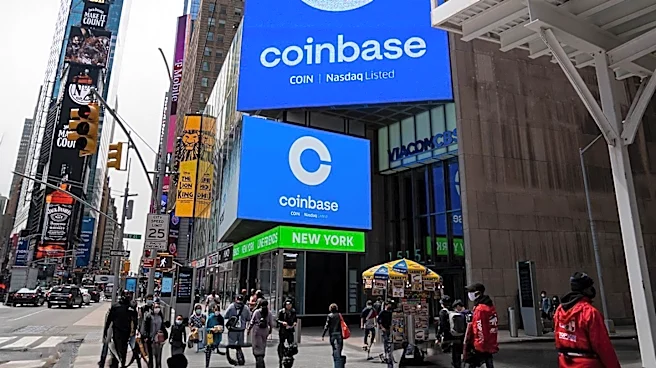
U.S. District Judge Maxine M. Chesney has granted Coinbase's motion to dismiss a four-year-old lawsuit filed by investor Larry Pearl concerning the collapse of TerraUSD (UST). The ruling, issued on November 20, 2026, rejected Pearl's fourth amended complaint
without leave to amend further, effectively ending the proceedings at the district court level. Pearl had alleged negligent misrepresentation, false advertising, unfair competition, and violations of California securities laws, claiming over 90% losses on his $13,000 UST investment when the algorithmic stablecoin depegged in May 2022. The court found that Coinbase's website had adequately disclosed that UST was not backed by U.S. dollars and explained its mint-and-burn mechanism with LUNA. Furthermore, the judge concluded that Pearl failed to establish an actionable misleading representation or that omitted information was difficult to discover. The ruling also noted that relevant trading histories and the SEC's investigation into Terraform's Mirror Protocol were publicly available before Pearl's UST purchase.
Why It's Important?
This dismissal significantly reduces Coinbase's legal exposure to claims stemming from the TerraUSD collapse, one of the cryptocurrency market's largest historical failures. The decision highlights the importance of clear and comprehensive product disclosures by cryptocurrency exchanges in mitigating litigation risk. It suggests that courts may favor exchanges that provide transparent information about the underlying mechanisms and risks of listed digital assets. For the broader cryptocurrency industry, this ruling could influence how exchanges structure their disclosures and terms of service, potentially leading to more explicit warnings about algorithmic stablecoins and other complex crypto products. While this specific case is a win for Coinbase, it does not eliminate all legal risks associated with cryptocurrency listings or broader regulatory scrutiny, as the SEC's separate fraud verdict against Terraform Labs and its founder Do Kwon remains distinct.
What's Next?
While the district court proceedings have concluded, the ruling does not prevent an appeal by the plaintiff, Larry Pearl. Coinbase will likely continue to face ongoing legal and regulatory challenges related to its cryptocurrency listings and customer disclosures, as the legal landscape for digital assets remains in flux. The distinction drawn by the court between an issuer's investment scheme and an exchange's role in facilitating transactions may serve as a precedent in future cases involving cryptocurrency intermediaries. Other exchange-related claims following the Terra collapse, such as the lawsuit against Binance.US, indicate that investor claims extend beyond the token issuer, suggesting that the industry will continue to navigate complex legal questions regarding liability and disclosure standards.
Beyond the Headlines
The court's decision underscores a critical legal distinction in the cryptocurrency space: the liability of an exchange versus that of a token issuer. By emphasizing Coinbase's disclosures and the public availability of information, the ruling implicitly places a greater onus on investors to conduct due diligence, while also validating the importance of transparency from platforms. This could lead to a shift in how courts view the responsibility of intermediaries in the event of market failures, potentially encouraging more robust disclosure practices across the industry. The case also highlights the ongoing debate about whether certain cryptocurrencies constitute securities, with the court finding that Pearl's UST transaction did not meet the Howey test criteria for an investment contract, further complicating the regulatory classification of digital assets.