

What's Happening?
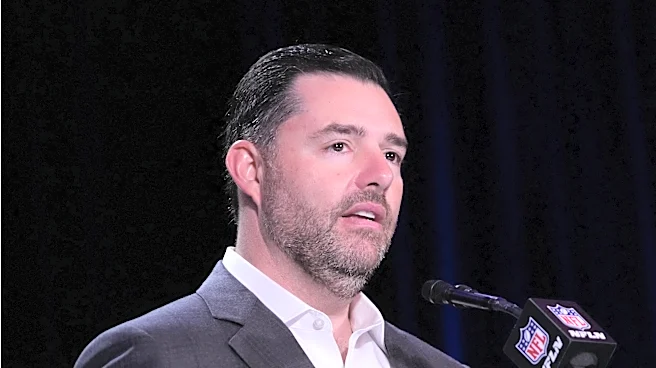
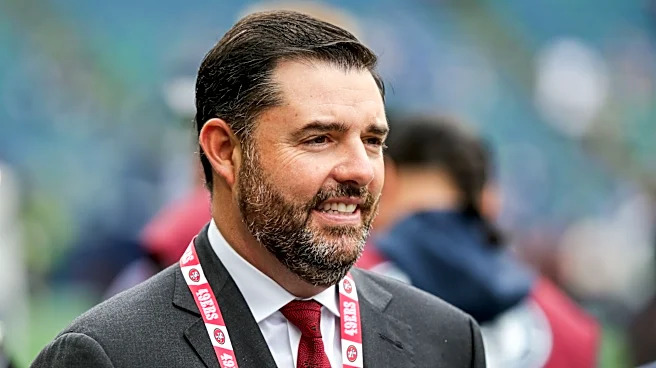
Jed York, CEO of the San Francisco 49ers, has been suspended for six games and fined $500,000 by the NFL under its Personal Conduct Policy. This action follows his August arrest in Ohio and subsequent no-contest pleas to two misdemeanor charges. York has accepted
the league's decision. The suspension means York will be barred from games and league operations, though he remains the 49ers' owner and the team will continue to receive its full share of league revenue. The NFL's Personal Conduct Policy applies to all individuals within the league, including players, coaches, executives, and owners. However, the financial implications of suspensions differ significantly between owners and players. York's fine represents approximately 0.11% of the $453.2 million in shared NFL revenue the 49ers received in the latest fiscal year. The league counted the three games York missed during the investigation towards his six-game suspension, allowing him to return after the 49ers play Washington on October 19.
Why It's Important?
This case highlights a significant disparity in how the NFL's Personal Conduct Policy financially impacts owners versus players. When a player is suspended, they typically lose all compensation for the missed games, as demonstrated by examples like Deshaun Watson, who lost $632,500 during his 11-game suspension in 2022, and Ezekiel Elliott, who was set to lose approximately $560,000 during his six-game ban in 2017. In contrast, an owner like York, while suspended from games and operations, continues to benefit from the team's revenue, which remains unaffected. This difference raises questions about the equity of the NFL's disciplinary system, as the financial penalty for an owner is a small fraction of their team's earnings, while players face substantial income loss. The situation underscores a perceived double standard where the financial consequences for owners are considerably less severe than for players facing similar disciplinary actions.
What's Next?
Jed York's suspension is already underway, with the league counting the games he missed during the investigation towards his six-game ban. He is expected to return to full duties after the San Francisco 49ers' game against Washington on October 19. The NFL has concluded its review and announced its punishment, and York has accepted the decision. The ongoing discussion will likely revolve around the perceived fairness and consistency of the NFL's Personal Conduct Policy, particularly concerning the financial implications for owners versus players. This event may continue to fuel debates among sports analysts, player associations, and the public regarding the league's approach to discipline and whether its rules truly punish all stakeholders equally. Future cases involving owner misconduct will likely be scrutinized through the lens of this precedent.
Beyond the Headlines
The disparity in financial penalties between NFL owners and players for similar conduct raises broader ethical and labor relations questions within professional sports. While the NFL states its Personal Conduct Policy applies to everyone, the practical application reveals a system where the financial burden of punishment falls disproportionately on players. This situation could exacerbate tensions between team ownership and player unions, potentially influencing future collective bargaining agreements. It also touches upon the public perception of fairness and accountability for powerful figures in sports. The incident may prompt a re-evaluation of how the league structures its disciplinary actions to ensure that penalties, particularly financial ones, are perceived as equitable across all levels of the organization, from the field to the executive suites. The long-term implications could include increased pressure for more transparent and consistent disciplinary frameworks that address the financial impact on all parties involved.