



What's Happening?
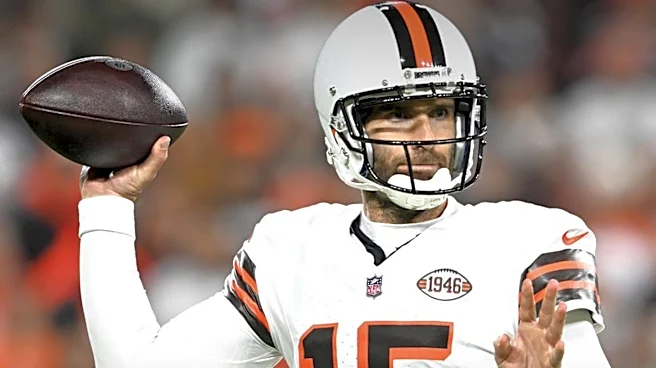
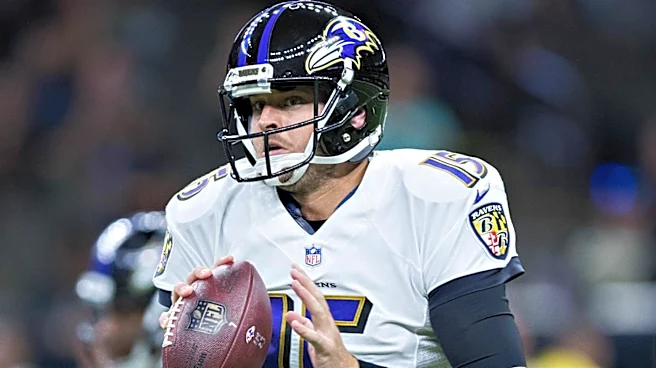
Joe Flacco, quarterback for the Cincinnati Bengals, has publicly offered to cover any fines incurred by Chicago Bears quarterback Caleb Williams for wearing Caddix cleats, a brand in which Flacco is an investor and advisor. Williams has been fined over $35,000
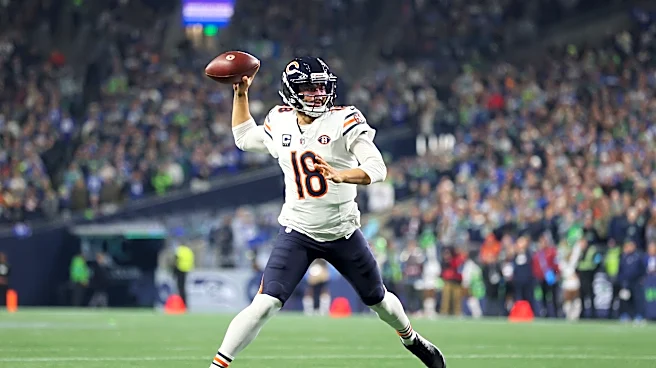
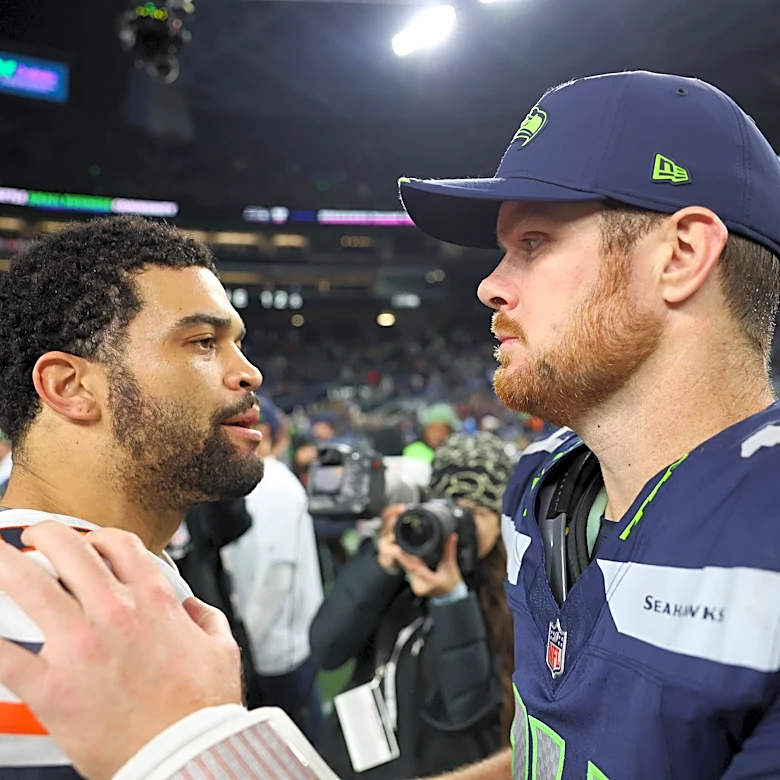
by the NFL for wearing Caddix cleats with an unauthorized logo, as the league has exclusive deals with Nike, Adidas, and Under Armour. Flacco stated his support for Williams' choice, emphasizing player safety and comfort over league apparel rules. In a recent game against the Seattle Seahawks, Williams wore Caddix cleats with the logo either removed or covered, thus avoiding further fines. This move by Williams also relieved Flacco of his offer to pay the fines, which would have amounted to tens of thousands of dollars. Flacco has been a long-time wearer of Caddix cleats, becoming the first NFL player to use them in 2024, and subsequently investing in the company.
Why It's Important?
This situation highlights the ongoing tension between NFL players' personal endorsements and the league's exclusive apparel contracts. Flacco's public support and financial offer to Williams underscore a growing sentiment among some players who prioritize performance and safety benefits from non-approved gear over adherence to strict uniform policies. This could set a precedent for other players to challenge or navigate league rules regarding equipment, potentially leading to further discussions about player autonomy versus league commercial interests. For Caddix Cleats, the controversy has provided significant exposure, associating their product with player safety and performance, endorsed by prominent NFL quarterbacks. The NFL's enforcement of its apparel rules is crucial for maintaining its lucrative partnerships with official sponsors, making any challenge to these rules a significant issue for the league's business model.
What's Next?
While Caleb Williams has seemingly complied with NFL rules by wearing logoless Caddix cleats, the broader conversation about player equipment choices and league regulations may continue. Other players who use or are considering using non-approved gear might observe how the NFL handles similar situations in the future. The NFL may need to re-evaluate its enforcement strategies or engage in discussions with players and equipment manufacturers to address concerns about safety and performance. Caddix Cleats could leverage this high-profile endorsement to further its market presence, potentially seeking official approval or developing strategies to work within NFL guidelines. The situation also raises questions about potential future conflicts if more players openly defy or find workarounds for the league's uniform policies, possibly leading to stricter enforcement or new policy adjustments from the NFL.
Beyond the Headlines
The incident delves into deeper themes of individual athlete expression versus corporate control within professional sports. Players like Flacco and Williams are not just athletes but also brands, and their choices in equipment can reflect personal beliefs about performance and safety, as well as business interests. The NFL's stance, while rooted in contractual obligations, can be perceived by some as stifling innovation or player welfare if alternative products offer superior benefits. This dynamic could lead to a re-evaluation of how sports leagues balance their commercial partnerships with the evolving needs and preferences of their athletes. Furthermore, it highlights the power of athlete endorsements, even when unofficial, in influencing public perception and market demand for sports equipment, potentially challenging the dominance of established brands in the long run.