




What's Happening?
A report by Cushman & Wakefield indicates a strong preference among companies leasing industrial real estate for newly constructed buildings. This trend, termed 'flight-to-quality,' shows occupiers are moving away from older properties. The report defines
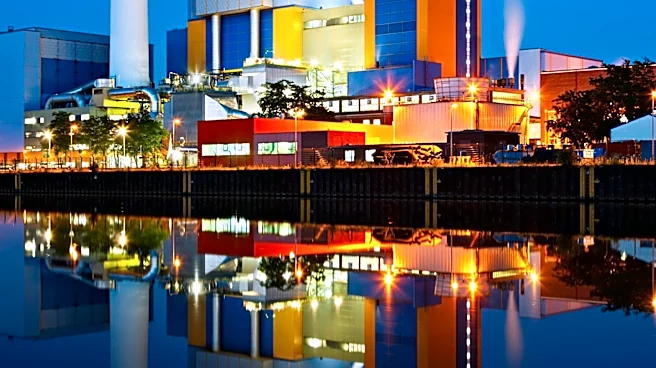
industrial properties as those used for manufacturing, warehouse and distribution, industrial, office service, and high technology. Newer industrial assets have captured the majority of leasing activity and positive absorption, while older properties, specifically those built between 1980-1999 and 2000-2020, have experienced cumulative occupancy losses. For example, industrial buildings delivered since 2021 in Atlanta recorded 80.8 million square feet of cumulative positive absorption from 2022 through Q2 2026, contrasting with losses in older stock. Tenants are seeking modern facilities with higher clear heights, efficient dock configurations, and enhanced operational functionality to support contemporary supply chain operations.
Why It's Important?
This 'flight-to-quality' trend in industrial real estate has significant implications for the U.S. economy and supply chain infrastructure. It highlights a growing demand for modern, efficient facilities that can accommodate advanced logistics, automation, and e-commerce operations. Companies are willing to invest in newer spaces to improve operational efficiency, reduce costs, and enhance their competitive edge. This trend could lead to increased development of new industrial properties, stimulating construction and related industries. Conversely, owners of older industrial buildings may face challenges in attracting tenants, potentially leading to higher vacancy rates and pressure for redevelopment or modernization. The shift underscores the evolving requirements of industrial operations, driven by technological advancements and changing consumer expectations, making efficient warehousing and distribution critical for business success.
What's Next?
The trend suggests continued investment in new industrial construction, particularly in key logistics hubs like Atlanta, which saw 10.2 million square feet of new leasing activity in Q2. Developers will likely focus on building facilities that meet modern specifications, including higher clear heights and advanced operational features. Owners of older industrial properties may need to consider significant renovations or redevelopments to remain competitive, or face increasing obsolescence. This could also lead to a two-tiered market, with premium pricing for new, high-quality spaces and downward pressure on rents for older, less efficient buildings. The ongoing demand for improved supply chain efficiency will continue to drive this preference for quality, influencing real estate investment decisions and urban planning in industrial zones.
Beyond the Headlines
Beyond the immediate economic impact, the 'flight-to-quality' in industrial real estate reflects a broader societal shift towards efficiency and technological integration in commerce. The demand for modern facilities with advanced features is not just about space; it's about optimizing the entire supply chain, from manufacturing to last-mile delivery. This trend has environmental implications, as newer buildings often incorporate more sustainable designs and energy-efficient systems. It also impacts labor, as modern warehouses may require different skill sets for automation and technology management. The obsolescence of older industrial stock could lead to urban revitalization opportunities, transforming underutilized areas into new commercial or mixed-use developments, thereby reshaping urban landscapes and local economies.