






What's Happening?
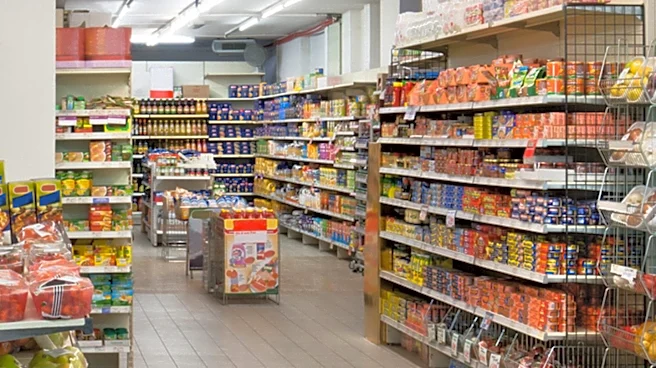
WCCO has been monitoring grocery prices in the Twin Cities over the past 18 months, focusing on stores like Target in Fridley, Aldi in Apple Valley, and Cub in north Minneapolis. The analysis, conducted by Susan-Elizabeth Littlefield, aims to provide
insights into how grocery costs have changed during this period. While the report does not specify the exact findings, it suggests that there is some good news for consumers, indicating potential stabilization or reduction in prices.
Why It's Important?
Understanding grocery price trends is crucial for consumers, especially in the context of inflation and economic uncertainty. Changes in grocery prices can significantly impact household budgets, particularly for low and middle-income families. Monitoring these trends helps consumers make informed decisions and allows policymakers to address food affordability issues. The findings could also influence retail strategies and pricing policies in the region, as businesses seek to remain competitive while meeting consumer needs.
What's Next?
As the analysis continues, further insights into grocery price trends in the Twin Cities may emerge, providing a clearer picture of the local economic landscape. Retailers may adjust their pricing strategies based on these findings, potentially leading to more competitive pricing and promotions. Additionally, policymakers and consumer advocacy groups may use the data to advocate for measures that support food affordability and access. The ongoing monitoring of grocery prices will be essential in understanding the broader economic trends affecting the region.