





What's Happening?
Longevity coaching is shifting its focus from demanding 'heroic efforts' to integrating sustainable lifestyle changes into daily routines to improve healthspan. This approach, inspired by Blue Zones communities, prioritizes small, repeatable behaviors
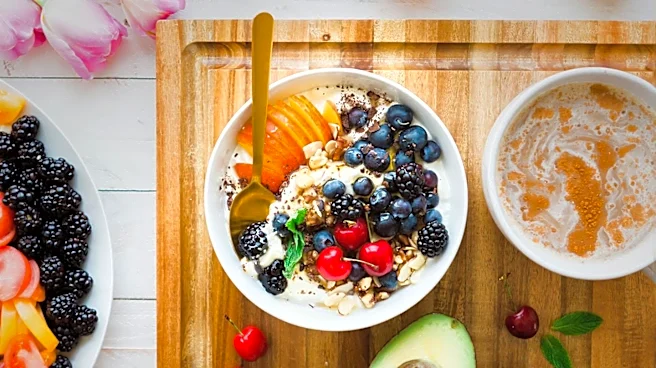
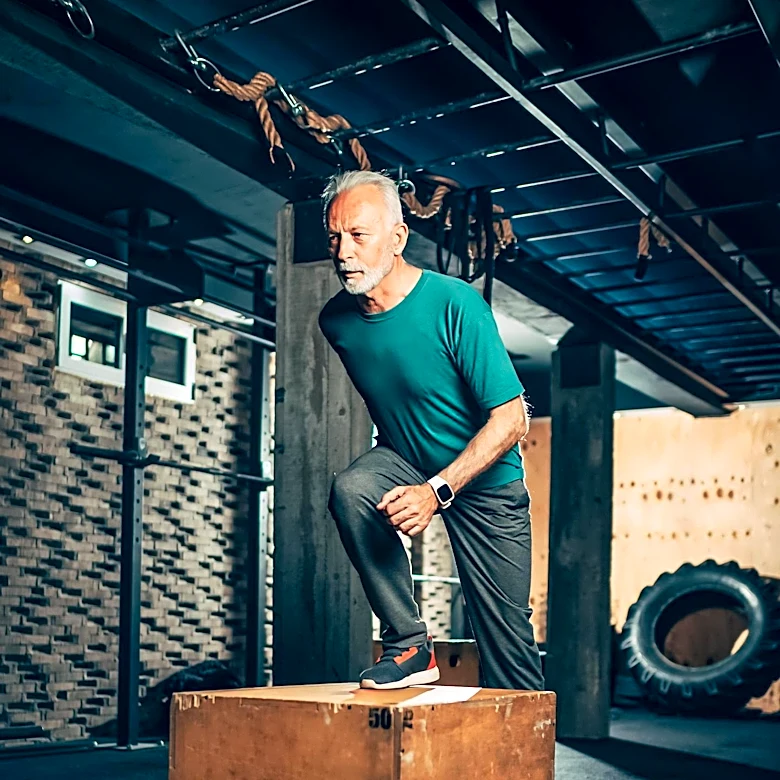
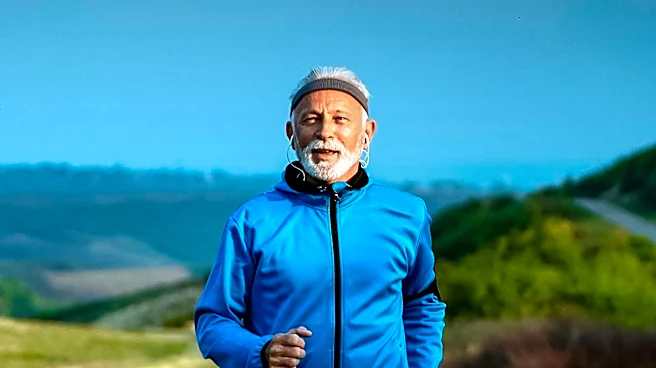
related to food culture, natural movement, rest, connection, and home routines. The goal is to make supportive choices feel normal and lasting over a seven-week period and beyond. Instead of generic plans, coaching begins by understanding a client's desired healthspan, such as maintaining mobility for gardening or mental sharpness. Key components include transitioning to plant-forward meals, incorporating natural movement like walking and gardening, and short strength practices. The strategy also emphasizes recovery practices to combat chronic stress, which accelerates biological aging, and fostering social connections to reduce loneliness. Environmental redesign within the home is also crucial to make healthy choices the default.
Why It's Important?
This shift in longevity coaching is important because it addresses the common failure point of unsustainable health plans, which often lead to client disengagement and a belief in personal lack of discipline. By focusing on integrating health practices into existing daily life, it increases the likelihood of long-term adherence and success. The emphasis on 'healthspan' rather than just lifespan highlights the value of living with energy, mobility, and mental clarity, which has significant societal and economic implications. A healthier, more active aging population can reduce healthcare burdens, maintain workforce participation longer, and contribute more actively to communities. Furthermore, by promoting affordable and adaptable practices like plant-forward diets and natural movement, this approach can be more accessible to a broader demographic, fostering widespread improvements in public health and well-being. The focus on social connection also addresses a critical public health issue, as loneliness is linked to increased health risks.
What's Next?
The future of longevity coaching will likely see a continued evolution towards personalized, integrated, and sustainable approaches. Coaches will increasingly focus on helping clients define their individual 'healthspan stories' and build habits that align with their unique lifestyles and cultural backgrounds. This will involve more emphasis on practical, repeatable actions rather than rigid, demanding regimens. There will be a greater focus on environmental design to support healthy defaults, making it easier for individuals to make beneficial choices without constant willpower. Furthermore, the integration of recovery practices and social connection into longevity plans will become more prominent, recognizing their crucial role in overall well-being and resilience. The success of these methods will depend on ongoing research and the ability of coaches to adapt and personalize strategies to meet diverse client needs, moving beyond one-size-fits-all solutions.
Beyond the Headlines
The underlying implications of this longevity coaching philosophy extend beyond individual health outcomes to broader societal values and healthcare paradigms. By prioritizing sustainable, integrated habits, it challenges the prevailing notion that significant health improvements require extreme measures or expensive interventions. This approach fosters a more holistic understanding of health, where well-being is intertwined with daily routines, social connections, and environmental factors. Ethically, it promotes self-efficacy and empowers individuals to take ownership of their health in a realistic and achievable manner, rather than fostering a sense of failure when ambitious goals are not met. Culturally, it encourages a return to traditional practices that emphasize community, natural movement, and mindful eating, potentially counteracting the isolating and sedentary tendencies of modern life. This shift could lead to a re-evaluation of how healthcare systems support preventive care and long-term well-being, moving towards models that integrate lifestyle coaching and community-based interventions.