







What's Happening?
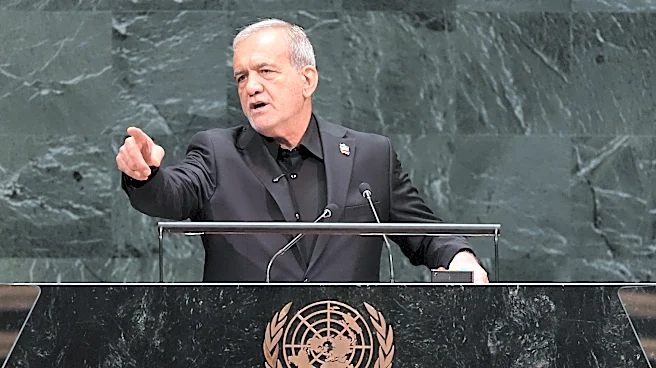
Nigeria and the United States have signed an agreement to deepen American investment in Nigeria's mining sector. The deal was announced by Nigeria's Minister for Solid Minerals, Dele Alake, on the sidelines of the UN General Assembly in New York City.
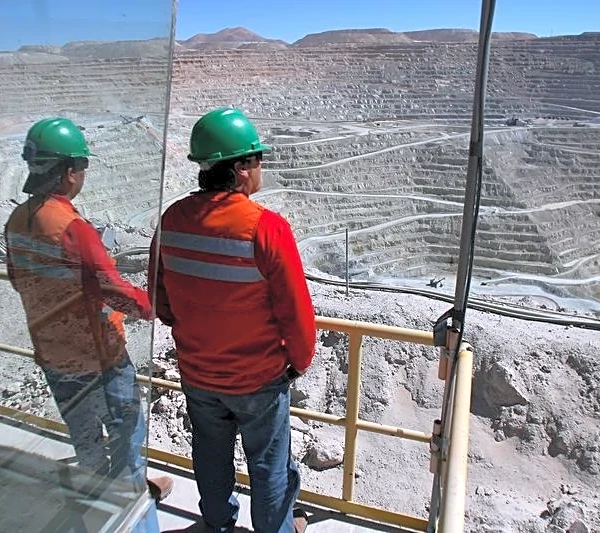
This framework aims to strengthen cooperation between the two nations regarding Nigeria's mineral resources, which are valued at approximately $700 billion. The agreement encompasses several key areas, including geological data and exploration, mineral development and processing, infrastructure, and technical capacity. Nigeria, while known for its oil reserves, also possesses significant deposits of lithium, gold, tin, gemstones, iron ore, and phosphate. The Minister emphasized Nigeria's desire for more local processing of these minerals to create jobs and capture more value, rather than continuing to export raw materials.
Why It's Important?
This agreement is important for several reasons. For Nigeria, it represents a strategic move to diversify its economy beyond oil and to develop its vast mineral resources. By attracting American investment and expertise, Nigeria aims to move up the value chain from simply exporting raw materials to processing them domestically. This could lead to the creation of quality jobs, the development of stronger skills within the Nigerian workforce, and increased opportunities for Nigerian businesses. For the United States, this partnership could secure access to critical minerals, particularly lithium, which is essential for the global green energy transition and the production of batteries. This collaboration aligns with global efforts to secure supply chains for strategic resources and could reduce reliance on other, potentially less stable, sources. The focus on local processing also addresses a long-standing economic disparity where resource-rich nations often gain less from their natural endowments due to a lack of processing capabilities.
What's Next?
Following the signing of this agreement, the immediate next steps will involve identifying viable projects within Nigeria's mining sector that can benefit from American investment and technical support. The framework's focus on geological data and exploration suggests that initial efforts will likely involve comprehensive assessments to better understand the extent and accessibility of Nigeria's mineral deposits. Furthermore, there will be an emphasis on developing infrastructure and technical capacity to support local processing initiatives. Nigeria's Minister Alake hinted at the potential for creating local jobs through onshoring the refining of minerals, which implies that future developments will prioritize establishing or expanding processing facilities within Nigeria. However, the success of these initiatives will also depend on addressing existing safety and environmental concerns within Nigeria's mining sector, which remain significant challenges.
Beyond the Headlines
Beyond the immediate economic and strategic implications, this mining deal touches upon broader themes of sustainable development and resource sovereignty. Nigeria's push for local processing reflects a growing trend among resource-rich nations to assert greater control over their natural assets and to derive more economic benefit from them. This move could challenge traditional models of resource extraction where raw materials are exported to developed nations for processing. The agreement also highlights the increasing global demand for critical minerals like lithium, driven by the transition to green energy. This demand creates both opportunities and challenges for countries like Nigeria, which must balance economic development with environmental protection and social responsibility. The success of this partnership could serve as a model for other developing nations seeking to leverage their natural resources for long-term economic growth and industrialization, while also navigating the complexities of international resource politics and environmental stewardship.