







What's Happening?
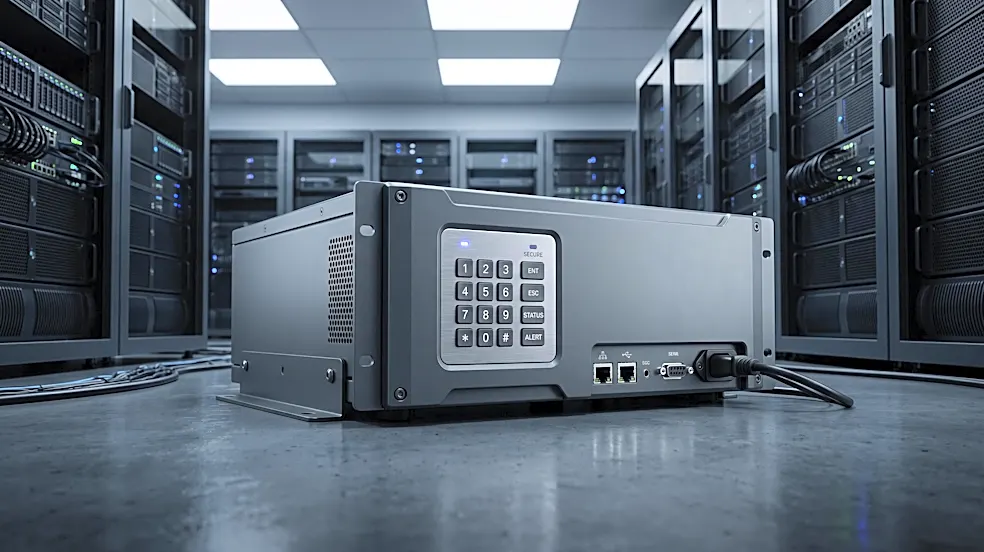
NEXCOM, a network appliance supplier, has launched new Next-Generation Firewall (NGFW) platforms designed to bolster network security for academic institutions. These platforms address the increasing traffic and diverse connections in modern educational
environments, which now include cloud platforms, AI-powered tools, remote access, and connected campus services. The NGFW platforms provide a centralized security layer to inspect and control traffic across both campus and remote settings. According to Allan Chiu, VP of Networking and Communication Solutions at NEXCOM, the goal is to ensure security keeps pace with digital learning advancements without hindering the learning experience. Key platforms include the NSA 7160R, a 2U high-performance security platform with dual Intel Xeon Scalable processors, and the FTA 5190, a compact 1U edge server powered by Intel Xeon 6 SoC technology.
Why It's Important?
The introduction of NEXCOM's NGFW platforms is crucial for U.S. academic institutions as they navigate the complexities of digital transformation. With the widespread adoption of online learning, cloud-based resources, and AI tools, educational networks face heightened cybersecurity risks and increased traffic demands. These platforms offer a robust solution to protect sensitive student and faculty data, maintain reliable access to learning resources, and secure remote connections. The ability to centralize security policies and inspect traffic across diverse environments helps prevent data breaches and ensures operational continuity. This development is vital for safeguarding the integrity of academic research and personal information, which are frequently targeted by cyber threats. Furthermore, by providing scalable and high-performance security, NEXCOM helps institutions meet compliance requirements and build trust within their digital ecosystems.
What's Next?
Academic institutions are expected to evaluate and potentially integrate NEXCOM's new NGFW platforms to upgrade their existing network security infrastructure. The focus will likely be on how these solutions can be tailored to specific campus needs, including supporting a growing number of remote users and securing AI-powered educational tools. NEXCOM will likely continue to collaborate with educational technology providers to ensure seamless integration and address emerging security challenges. The company may also offer training and support services to help IT departments within academic institutions effectively deploy and manage these advanced firewall systems. Future developments could include further enhancements to AI-driven threat detection and more specialized solutions for different educational segments, from K-12 to higher education.
Beyond the Headlines
Beyond the immediate security benefits, NEXCOM's NGFW platforms highlight a broader trend in the education sector: the increasing reliance on sophisticated technology and the corresponding need for advanced cybersecurity measures. This shift underscores the ethical responsibility of institutions to protect user data and maintain a secure learning environment. The integration of high-performance processors like Intel Xeon Scalable and Xeon 6 SoC in these platforms also points to the growing demand for powerful, efficient hardware to handle complex security tasks. This development could influence public policy discussions around cybersecurity standards for educational technology and potentially lead to new funding initiatives for network infrastructure upgrades in schools and universities across the U.S. It also emphasizes the critical role of private companies in providing essential security solutions for public and private sector entities.