


What's Happening?
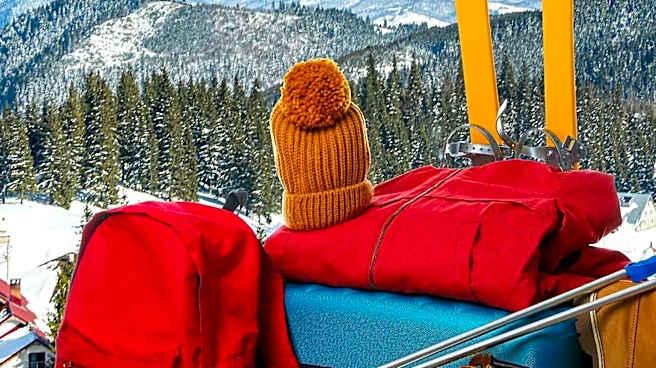
Travelers are being advised that winter can be an ideal time to visit bucket-list destinations at a reduced cost and with fewer crowds. The article highlights that many popular locations experience an 'off-season' during winter, leading to lower prices
for flights and accommodations, and a more relaxed atmosphere due to decreased tourist traffic. For example, flying to Dublin in February can be roughly half the cost of flying in June. Specific U.S. destinations mentioned include Glacier National Park and Kalispell, Montana, where winter offers affordable activities like skiing and snowshoeing, and Death Valley (California-Nevada) and Arches (Utah) National Parks, which are more pleasant to visit in cooler temperatures. International examples include Northern Ireland, which is significantly cheaper than Dublin, and Colombia, offering warm and dry weather from December to March for activities like snorkeling and exploring historic cities. The core message is to plan strategically to leverage these off-season advantages.
Why It's Important?
This advice is important for several reasons, particularly for U.S. travelers. It democratizes travel by making aspirational 'bucket-list' trips more financially accessible, allowing a broader segment of the population to experience diverse cultures and landscapes. Economically, it can help distribute tourism revenue more evenly throughout the year, supporting businesses in destinations that might otherwise struggle during off-peak months. For the traveler, the benefits extend beyond cost savings to a more authentic and less rushed experience, as fewer crowds mean better access to attractions and more meaningful interactions with local communities. This shift in travel patterns can also alleviate the environmental and social pressures associated with over-tourism during peak seasons, contributing to more sustainable travel practices.
What's Next?
As more travelers become aware of the benefits of off-season and strategic winter travel, we can anticipate a shift in booking trends. Travel companies and online platforms may increasingly promote winter packages and deals to these destinations. Local tourism boards in areas like Kalispell, Montana, and the national parks mentioned, might further develop and market their winter offerings to attract this growing segment of budget-conscious travelers. We could also see an increase in content from travel influencers and media outlets focusing on the unique experiences available during the colder months. This trend could lead to a more balanced distribution of tourism throughout the year, potentially fostering greater stability for the travel and hospitality industries in various regions.
Beyond the Headlines
Beyond the immediate financial and experiential benefits, the encouragement of winter travel to destinations like national parks and international locales has broader implications. It challenges the conventional notion of 'best time to visit,' promoting a more nuanced understanding of different seasons' unique offerings. For instance, experiencing Glacier National Park under a blanket of snow or Death Valley in cooler temperatures provides a completely different perspective than a summer visit. This can foster a deeper appreciation for the diverse natural beauty and seasonal changes of these locations. Culturally, it can lead to more intimate encounters with local life, as communities are often less overwhelmed by tourists during the off-season. This approach to travel encourages a more thoughtful and immersive engagement with destinations, moving beyond superficial sightseeing to a richer, more personal journey.