

What's Happening?
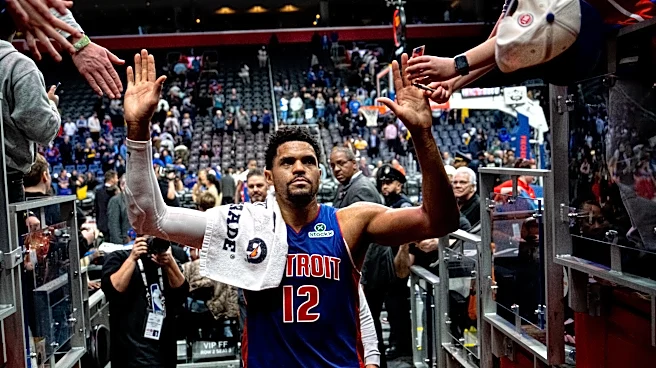
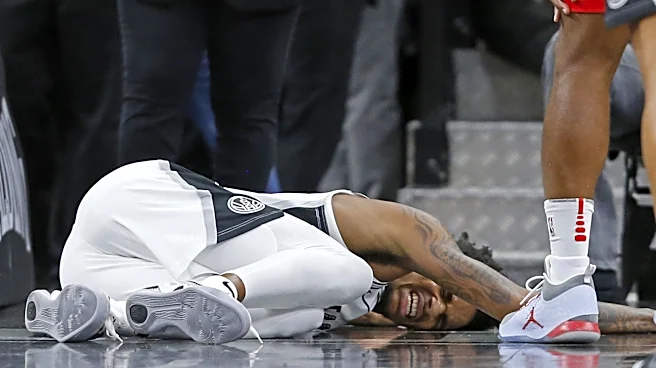
The San Antonio Spurs are taking a methodical approach to the return of veteran forward Tobias Harris, who is rehabilitating a left calf strain sustained during training camp in early October. Harris, 34, signed a two-year, $31 million deal with the Spurs over
the summer but has yet to make his regular-season debut. Spurs coach Mitch Johnson emphasized patience, stating that the team will prioritize Harris's full recovery over rushing him back, especially given the team's strong 12-3 start to the season. Johnson indicated that Harris's return will be later than he or the player might desire, highlighting a 'reward over risk' philosophy. Former Detroit Pistons coach J.B. Bickerstaff, who previously coached Harris, lauded his leadership and professionalism, suggesting his value extends beyond on-court production, particularly for a young team like the Spurs. Harris himself has expressed championship aspirations, viewing his move to San Antonio as a 'perfect match' for his goal.
Why It's Important?
This cautious approach by the San Antonio Spurs underscores a growing trend in professional sports to prioritize player long-term health and strategic readiness over immediate availability, especially for veteran players. For the Spurs, who are coming off an NBA Finals run and have championship aspirations, Harris's experience and leadership are considered crucial assets, particularly in the later stages of the season and playoffs. His former coach, J.B. Bickerstaff, highlighted Harris's invaluable contributions in critical moments during his time with the Pistons, suggesting that his presence will be vital for the Spurs' young roster. By not rushing his return, the Spurs aim to ensure Harris is fully healthy and effective when it matters most, potentially impacting their playoff performance and overall team chemistry. This strategy could serve as a model for other teams managing veteran talent and injuries, emphasizing sustainable performance over short-term gains.
What's Next?
Tobias Harris will continue his rehabilitation for the left calf strain, with the San Antonio Spurs maintaining their methodical approach to his return. While no definitive timeline has been provided, coach Mitch Johnson has made it clear that the team will not take unnecessary risks. Harris is expected to eventually join a bench unit that could benefit from his shooting prowess and veteran presence. His integration into the team will be closely watched, as his experience and leadership are anticipated to be significant for the young Spurs roster, particularly as they progress deeper into the season and potentially the playoffs. The team's current strong performance allows them the flexibility to be patient, ensuring Harris is fully prepared to contribute to their championship aspirations when he does return to the court.
Beyond the Headlines
The Spurs' handling of Tobias Harris's injury reflects a broader shift in professional sports towards a more data-driven and player-centric approach to injury management. This strategy moves beyond immediate game-day needs to consider the long-term health and career longevity of athletes, especially those with significant veteran experience. For Harris, a player entering his 16th NBA season with clear championship goals, this patient approach could extend his effective playing career and maximize his impact during critical moments. Ethically, it highlights a team's responsibility to its players' well-being, potentially fostering greater trust and loyalty. Culturally, it reinforces the idea that strategic patience can be a competitive advantage, allowing teams to build more resilient and cohesive units capable of sustained success, rather than risking re-injury for short-term gains.