




What's Happening?
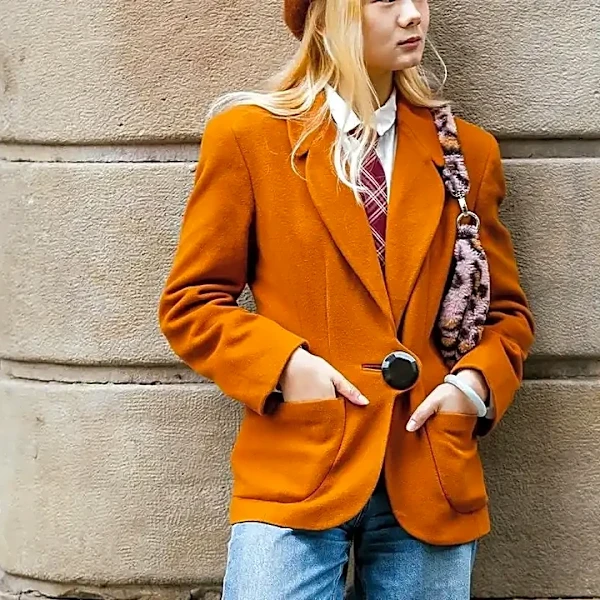
Vintage and secondhand businesses in Memphis are experiencing a boom, driven by a strong community of thrifters and a growing interest in retro and Y2K fashion. Shops like Flashback, Outphits Showroom, Bad Timing, and Time to Waste Vintage are catering
to this demand, offering a wide array of items from various decades. Flashback, a long-standing vintage shop, curates items from the 1980s and 1990s, with owner Millett Vance emphasizing quality and customer preferences. Outphits Showroom, owned by Sophia Coovert, specializes in Y2K-focused fashion, featuring designer pieces and unique finds, and has expanded into a loft-style space for events and rentals. Bad Timing, which started with vintage T-shirts and CDs, has grown rapidly to include sneakers and watches, with owner Christian Culver noting the continued popularity of 1990s Memphis Tigers apparel. Time to Waste Vintage, run by Sami and James Reed, has evolved from a side hustle into a full-time business, with James sourcing rare vintage T-shirts and Sami creating new clothing from vintage materials, gaining a significant social media following.
Why It's Important?
The thriving vintage market in Memphis reflects a broader national trend towards sustainable fashion and a renewed appreciation for unique, pre-owned items. This movement has significant economic implications, supporting local businesses and fostering a circular economy that reduces waste. For consumers, vintage shopping offers an affordable alternative to fast fashion, allowing for personal style expression while minimizing environmental impact. The popularity of Y2K and 1990s fashion, in particular, indicates a cyclical nature of trends, where past styles are reinterpreted and embraced by new generations. This trend also highlights the entrepreneurial spirit within the secondhand market, with individuals like Coovert, Culver, and the Reeds building successful businesses by curating and reselling vintage goods. The community aspect, where thrifters share finds and knowledge, further strengthens this niche market, making it a significant cultural and economic force in cities like Memphis.
What's Next?
The continued growth of the vintage and secondhand market suggests that these businesses will likely expand their online presence and potentially explore new retail models, such as pop-up events and collaborations. As demand for unique and sustainable fashion increases, more entrepreneurs may enter this market, leading to greater competition and innovation in sourcing and selling vintage items. The emphasis on quality and curation, as seen in shops like Outphits, indicates a shift towards a more discerning vintage consumer. Educational initiatives, such as those offered by Sophia Coovert on fashion history, could become more prevalent, enhancing the customer experience and fostering a deeper appreciation for vintage clothing. Furthermore, the integration of social media for marketing and community building will continue to be crucial for these businesses, allowing them to reach wider audiences and engage with their customer base effectively. The trend also points to a potential increase in upcycling and custom creations from vintage materials, as exemplified by Sami Reed's work.
Beyond the Headlines
The resurgence of vintage and Y2K fashion goes beyond mere trend cycles; it represents a cultural commentary on consumerism, sustainability, and individuality. In an era of mass production and fast fashion, choosing vintage items is an act of rebellion against homogeneity and a statement of environmental consciousness. The appeal of Y2K fashion, specifically, can be linked to a nostalgic longing for a pre-digital or early-digital age, offering a sense of comfort and familiarity in a rapidly changing world. These vintage shops serve as cultural hubs, preserving fashion history and offering a tangible connection to the past. They also foster a sense of community among individuals who value authenticity and craftsmanship over fleeting trends. The personal stories of shop owners, like Millett Vance's dedication to curation or Christian Culver's journey from customer to owner, underscore the passion and expertise driving this movement. This trend also highlights the evolving definition of 'luxury,' where rarity and historical significance can be as valued as brand new designer items.