


What's Happening?
The Los Angeles Chargers are grappling with a significant and worsening problem concerning their offensive line, particularly at the guard positions, as the preseason progresses. Initially, the main concern was identifying a starting guard for Justin
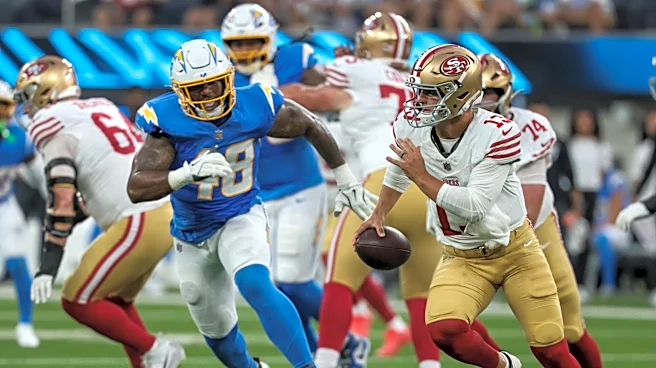
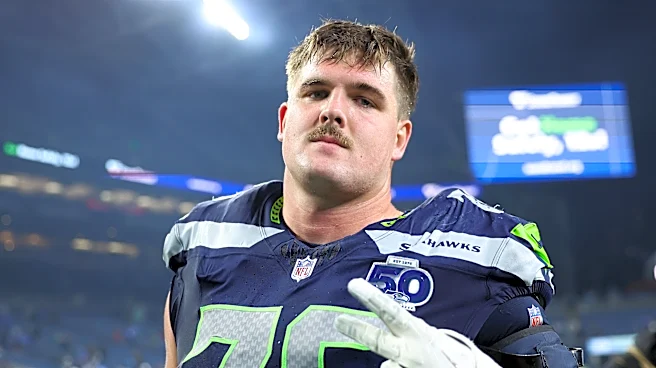
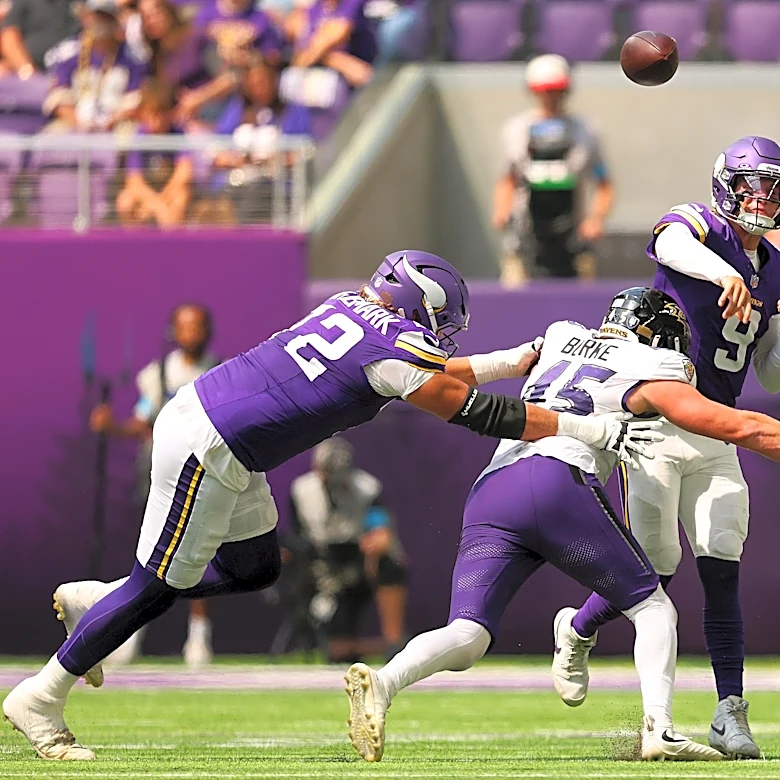
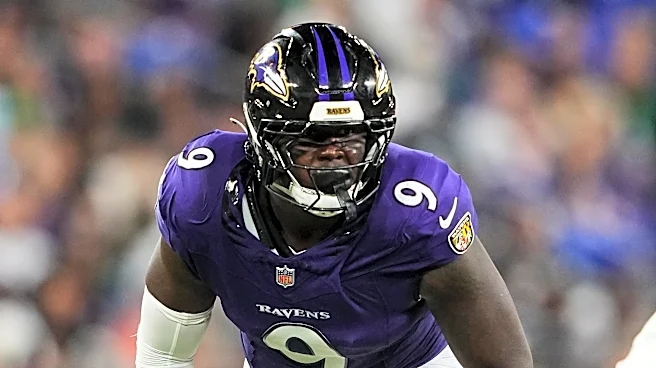
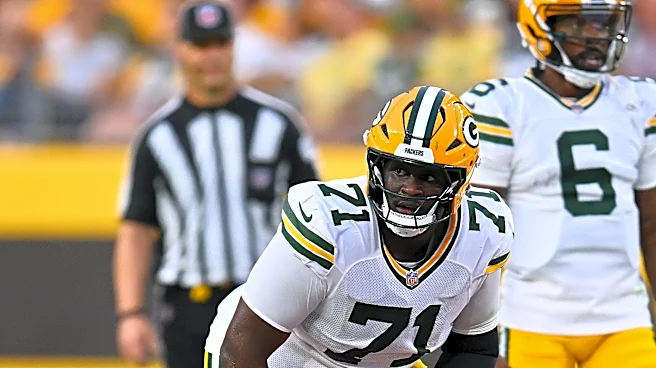
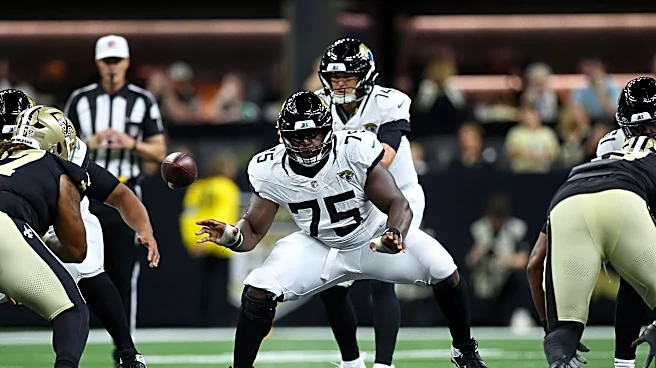
Herbert. However, the situation has deteriorated following an injury to Tyler Biadasz, which has forced rookie Jake Slaughter, originally drafted to play guard, to shift to center. This move has created further instability at left guard, where no clear starter has emerged. Compounding the issue, the performance of backup offensive linemen has been underwhelming, despite the Chargers' efforts to bolster the unit through free agency and by dedicating four of their eight draft picks to linemen. Reports from ESPN's Kris Rhim indicate that a recent practice was particularly poor for the offense, with Justin Herbert throwing an interception and multiple turnover-worthy passes, and Slaughter struggling against defensive players like Jamaree Caldwell. The team has also been shuffling players, with Rashawn Slater briefly returning to practice and Travis Burke and Trey Pipkins rotating at left tackle, while Pipkins and Kayode Awosika have been tried at left guard.
Why It's Important?
The Chargers' offensive line struggles pose a critical threat to the team's performance and the safety of their star quarterback, Justin Herbert. A weak offensive line can directly impact the team's ability to run the ball effectively and protect the quarterback, leading to increased pressure, sacks, and potential injuries. This instability could undermine the Chargers' offensive strategy and overall competitiveness in the upcoming NFL season. The lack of a solidified starting unit, especially at key interior positions like guard and center, creates a significant disadvantage. Furthermore, the reliance on a rookie center and the inability to find a consistent left guard could lead to communication breakdowns and missed assignments, further hindering offensive efficiency. The situation is particularly concerning given the team's investment in offensive linemen during the offseason, suggesting that their efforts have not yet yielded the desired results. The ongoing issues could impact player morale and fan confidence as the regular season approaches.
What's Next?
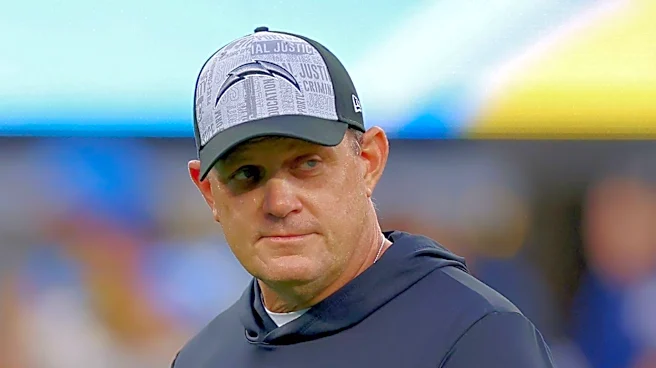
With the third preseason game approaching, the Chargers are running out of time to resolve their offensive line issues. The team will likely continue to experiment with different player combinations and rotations in an attempt to find a functional starting unit. The performance of players like Branson Taylor, a former practice squad member who has shown surprising improvement, will be closely watched as he could potentially fill a starting role. However, his rise might also highlight the overall lack of strong competition. The coaching staff, including Mike McDaniel, will need to make critical decisions regarding the final roster and starting lineup, potentially exploring external options if internal solutions remain elusive. The team's ability to protect Justin Herbert and establish a consistent running game will be a primary focus in the remaining preseason games and practices. The ongoing instability could force the Chargers to adjust their offensive playbook to mitigate the weaknesses of their offensive line.
Beyond the Headlines
The Chargers' offensive line predicament extends beyond immediate game-day concerns, touching upon broader issues of player development, talent evaluation, and team building in the NFL. The fact that a team invested heavily in linemen through both free agency and the draft is struggling to find competent starters raises questions about their scouting and coaching effectiveness. The pressure on rookie Jake Slaughter to perform at center, a position he was not initially drafted for, highlights the ripple effects of injuries and the challenges of adapting players to new roles under duress. The situation also underscores the scarcity of high-quality offensive line talent across the league, making it difficult for teams to quickly address such deficiencies. This ongoing struggle could have long-term implications for the Chargers' roster construction and their approach to drafting and developing offensive linemen in future seasons, as they seek to build a sustainable foundation for their franchise quarterback.