





What's Happening?
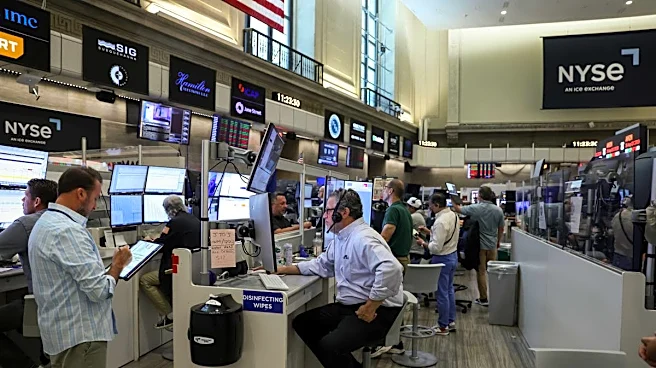
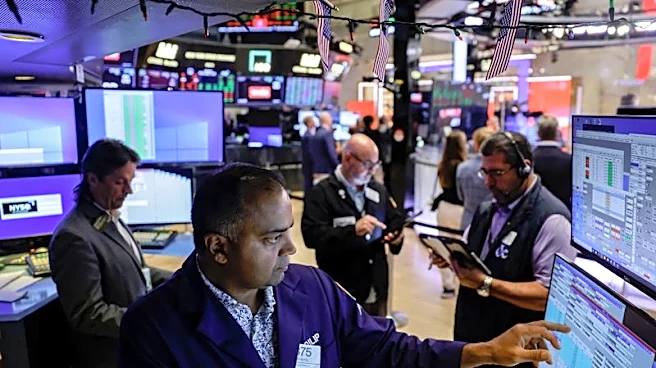
The U.S. Commodities Futures Trading Commission (CFTC) is initiating a significant step towards establishing and regulating derivatives tied to Artificial Intelligence (AI) compute. On Wednesday, the CFTC announced it is seeking public comment on compute derivatives contracts.
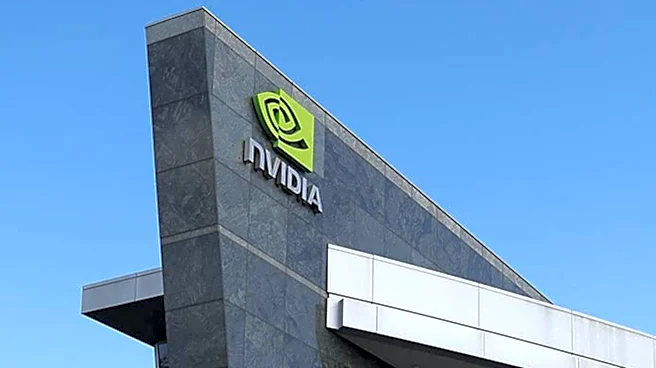
This action marks the beginning of the regulatory process to create a formal market for these new financial instruments. The move follows an announcement by CME Group on August 11, indicating their involvement in this emerging market. The development suggests a growing recognition within U.S. financial markets of the increasing economic value and demand for AI computing resources, particularly those related to GPU prices from companies like Nvidia and manufacturing from TSMC.
Why It's Important?
This initiative by the CFTC is crucial for the U.S. financial landscape and the burgeoning AI industry. By creating a formal market for AI compute derivatives, the CFTC aims to provide a standardized mechanism for pricing, hedging, and speculating on the cost and availability of AI computing power. This could introduce greater transparency and stability to the AI infrastructure market, which is currently characterized by high demand and fluctuating prices for essential components like GPUs. For businesses heavily reliant on AI, such as tech giants and startups, these derivatives could offer tools to manage costs and mitigate risks associated with acquiring computing resources. It also signifies the financialization of AI compute, potentially attracting new investors and capital into the sector, thereby accelerating AI development and deployment across various U.S. industries. The move could also set a precedent for how other emerging technological resources are integrated into financial markets.
What's Next?
The immediate next step is the public comment period initiated by the CFTC. During this period, stakeholders, including technology companies, financial institutions, and market participants, will have the opportunity to provide feedback on the proposed compute derivatives contracts. This feedback will be critical in shaping the regulatory framework and the design of these financial products. Following the public comment period, the CFTC will likely review the input and proceed with developing specific rules and guidelines for the trading and oversight of AI compute derivatives. The CME Group's prior announcement suggests they may be among the first to offer such contracts once the regulatory framework is in place. The establishment of this market could lead to the emergence of new financial products and services tailored to the AI economy, potentially influencing investment strategies and risk management practices across the U.S. tech and finance sectors.
Beyond the Headlines
The creation of AI compute derivatives extends beyond mere financial instruments; it reflects a deeper societal and economic shift where computing power is increasingly viewed as a commodity. This development could lead to a more efficient allocation of AI resources, but it also raises questions about equitable access to advanced computing for smaller entities or those in developing sectors. The financialization of AI compute could also introduce new forms of market speculation and volatility, potentially impacting the cost of AI innovation. Furthermore, it highlights the growing importance of underlying hardware, like GPUs from Nvidia and manufacturing capabilities from TSMC, as critical economic assets. This move by the CFTC could also influence international regulatory bodies to consider similar frameworks, potentially leading to a global market for AI compute derivatives. The ethical implications of financial instruments tied to a technology with such transformative potential will also be a subject of ongoing discussion, particularly concerning market manipulation and the concentration of power.