




What's Happening?
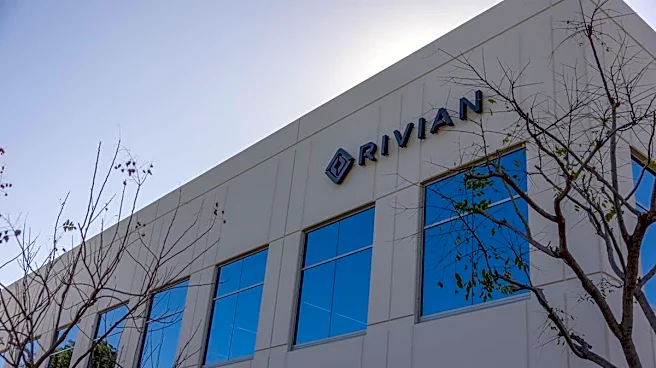
Rivian, the electric vehicle manufacturer, has announced a reduction in its workforce by less than 2%, affecting approximately 300 employees primarily in service, sales, and marketing roles. This decision comes just a week after the company began deliveries
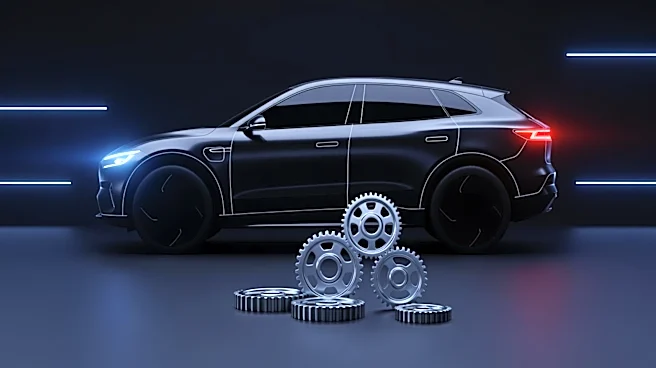
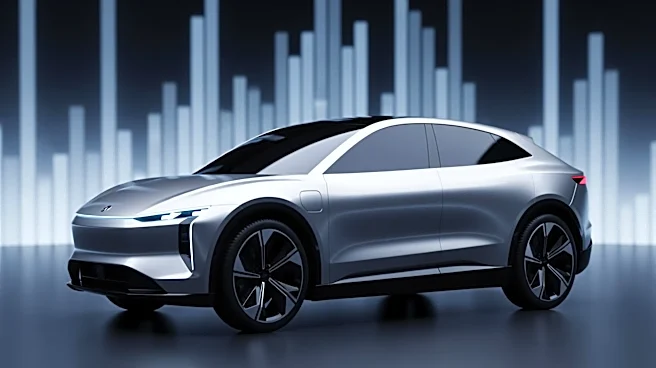
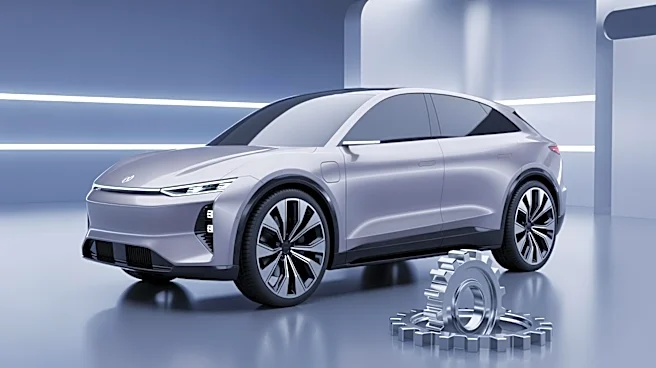
of its R2 SUV, a pivotal product for Rivian's future. The R2 is priced between $48,490 and $57,990 and is intended to transition Rivian from a niche premium electric vehicle maker to a more sustainable business model. Despite the layoffs being framed as routine restructuring, Rivian's shares fell by 5.2% following the announcement. The company has faced significant financial challenges, with over $27 billion in accumulated losses and a recent shift in its profitability timeline due to increased investment in autonomous driving technology. Rivian's partnership with Uber, which includes a commitment to purchase up to 50,000 R2 SUVs for a robotaxi fleet, adds further pressure to the company's operations.
Why It's Important?
The layoffs at Rivian highlight the intense pressure the company faces as it attempts to scale its operations and achieve profitability. The R2 SUV is crucial for Rivian's strategy to become a sustainable business, and any missteps could jeopardize its future. The decision to cut customer-facing roles during a critical product launch could impact customer satisfaction and brand reputation, especially as the company struggles with service wait times. Additionally, Rivian's focus on autonomous vehicle development, while necessary for future growth, diverts resources from immediate operational needs. The broader market environment, including the elimination of the federal EV tax credit, further complicates Rivian's path to success. Investors are closely watching the company's ability to deliver on its promises and achieve economies of scale with the R2, which will determine the viability of its long-term strategy.
What's Next?
Rivian's immediate focus will be on the successful ramp-up of the R2 SUV production and delivery. The company must address service network challenges to ensure customer satisfaction and maintain its reputation. As Rivian continues to develop its autonomous driving capabilities, it will need to demonstrate progress to justify ongoing investments and reassure investors. The partnership with Uber presents an opportunity for growth, but also requires Rivian to meet high expectations for vehicle performance and reliability. The next two quarters will be critical for Rivian as it seeks to prove its business model and secure its position in the competitive electric vehicle market.