





What's Happening?
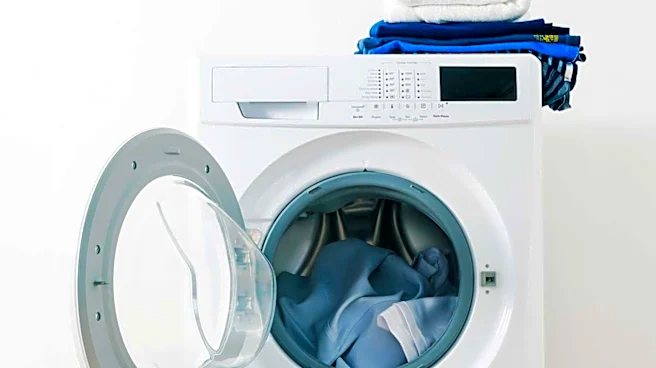
Washing machines, despite their function, are not self-sanitizing and can become reservoirs for mold, fungi, and bacteria, leading to musty odors in laundry and potential health risks. Jennifer Ahoni, principal scientist for Tide and senior scientific
communications manager at P&G Home Care, emphasizes that while washing machines clean clothes, they do not sanitize them. Germs from dirty laundry can spread to other garments and accumulate within the machine itself. The damp, dark environment inside the drum, combined with contaminants from soiled clothing, creates ideal conditions for microbial growth. Research supports this, with a 2019 study in Applied and Environmental Microbiology identifying a washing machine as a source of multidrug-resistant pathogens that infected newborns in a hospital NICU. Another 2015 study in Frontiers in Microbiology found that fecal bacteria on underwear survived wash cycles and spread to other clothing. This microbial buildup is often the cause of musty smells in freshly washed towels and can trigger allergies or irritation.
Why It's Important?
The presence of pathogens and mold in washing machines has significant implications for household hygiene and public health. For the average household, it means that laundry may not be as clean as perceived, potentially leading to skin rashes, allergies, or irritation. More critically, the transmission of multidrug-resistant pathogens, as seen in the hospital setting, highlights a serious health risk, particularly for vulnerable populations. The spread of bacteria from fecal matter during wash cycles underscores the need for proper sanitization to prevent cross-contamination. This issue affects not only the cleanliness of clothes but also the longevity and efficiency of the appliance itself, as grime and residue can accumulate and impair its function. Understanding that a washing machine requires regular cleaning and sanitization is crucial for maintaining a healthy home environment and ensuring effective laundry hygiene.
What's Next?
To address this issue, cleaning specialists recommend cleaning and sanitizing washing machines at least once a month. Diana Rodriguez-Zaba, a cleaning specialist, advises checking manufacturer instructions for specific cleaning cycles or solutions. The process typically involves wiping down visible dirt and residue, paying close attention to the rubber gasket where mold often accumulates. For sanitization, options include running a long, hot cycle with two to four cups of white vinegar or using dedicated washing machine cleaners containing antimicrobial chemicals. Between deep cleans, leaving the washer door or lid and dispenser drawer slightly open allows the interior to dry, preventing water pooling and microbial growth. Choosing the correct cycle for each load also contributes to a cleaner machine and extends its lifespan. These practices are essential for preventing musty odors, protecting health, and maintaining the appliance.
Beyond the Headlines
This issue extends beyond mere cleanliness, touching upon broader societal perceptions of hygiene and the hidden aspects of household maintenance. The assumption that a machine designed to clean is inherently clean itself reflects a common oversight in modern living. The scientific findings challenge this assumption, revealing a microscopic ecosystem thriving within our appliances. This highlights the importance of understanding the science behind everyday processes to ensure genuine cleanliness and health. The problem also subtly points to the environmental impact of detergents and fabric softeners, which contribute to residue buildup. A deeper implication is the need for consumer education on appliance maintenance and the potential health consequences of neglecting it, fostering a more informed approach to household chores and personal well-being. It also raises questions about the design of household appliances to be more self-cleaning or easier to maintain.