



What's Happening?
WNBA Commissioner Cathy Engelbert has issued a memo to teams regarding the ongoing discussions about transgender athletes' participation in women's basketball. The memo, obtained by the Associated Press, highlights the league's approach to the topic,
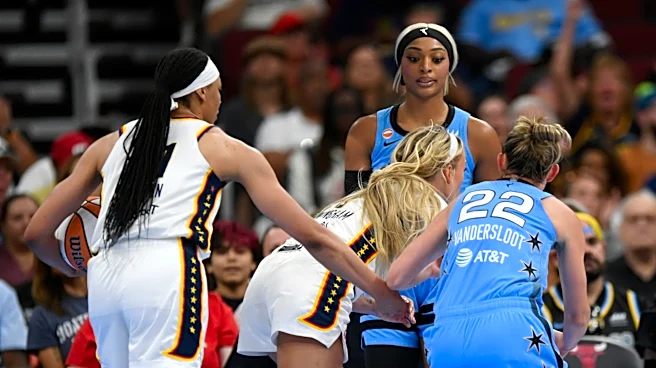
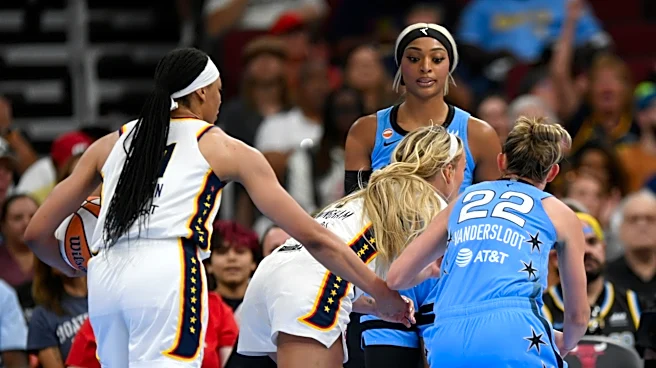
emphasizing thoughtfulness and professionalism. Engelbert noted that the issue will be further discussed by a task force of team presidents and general managers in an upcoming meeting. The league's collective bargaining agreement currently states that only women are eligible to play in the WNBA, but lacks specific language on gender identity. The topic has sparked protests and rallies, particularly following comments by Indiana Fever player Sophie Cunningham, who supported barring transgender women from women's sports. The WNBA players' association has released a statement emphasizing diversity and inclusion, rejecting the use of the issue as a political tool.
Why It's Important?
The discussion around transgender athletes in women's sports is significant as it touches on broader societal debates about gender identity, inclusion, and fairness in competition. The WNBA's handling of this issue could set a precedent for other sports leagues and influence public policy. The league's commitment to diversity and inclusion, while maintaining fair competition, reflects the challenges of balancing these values. The outcome of these discussions could impact the careers of transgender athletes and the perception of women's sports. Stakeholders, including players, coaches, and advocacy groups, are closely watching the league's actions, which could influence public opinion and legislative measures related to transgender rights in sports.
What's Next?
The WNBA plans to continue discussions with team leaders and the Players Association, offering listening sessions to gather diverse perspectives. The task force meeting will likely address potential policy changes or clarifications in the league's eligibility rules. Reactions from players, advocacy groups, and the public will be crucial in shaping the league's approach. The league's decisions could prompt responses from other sports organizations and influence ongoing legislative debates about transgender participation in sports. The WNBA's actions may also affect its relationship with fans and sponsors, depending on how the issue is resolved.
Beyond the Headlines
The WNBA's approach to transgender eligibility highlights the complex intersection of sports, gender identity, and societal values. The league's commitment to diversity and inclusion, while ensuring fair competition, underscores the ethical and cultural dimensions of the debate. The discussions may lead to long-term shifts in how sports organizations address gender identity, potentially influencing broader cultural attitudes towards transgender individuals. The league's handling of the issue could also impact its reputation and role as a leader in promoting social justice and equality in sports.