







What's Happening?
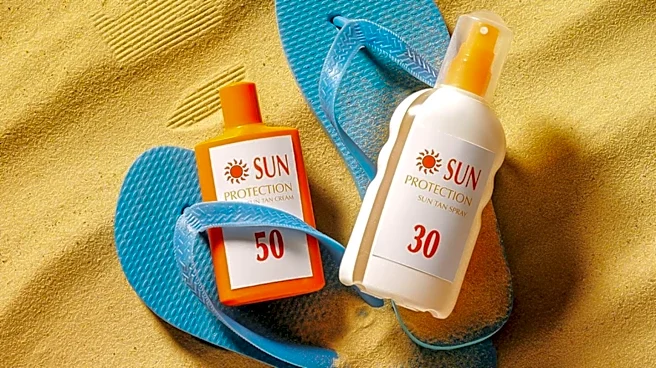
Dermatologists emphasize the critical role of SPF awareness for individuals with eczema or sensitive skin to prevent skin damage and promote overall skin health. They recommend using a broad-spectrum sunscreen with an SPF of 30 or higher. This level of protection
is crucial for safeguarding against both UVA and UVB rays, which are known to cause skin cancer and premature aging. Even on cloudy days or in the evening, UV rays can penetrate the atmosphere, making consistent SPF application essential. For those with eczema, selecting a gentle, non-irritating sunscreen is paramount to avoid flare-ups. Mineral sunscreens, containing zinc oxide or titanium dioxide, are often preferred for their ability to sit on the skin's surface and reflect UV rays, rather than being absorbed. The National Eczema Association's Seal of Acceptance helps consumers identify products suitable for sensitive skin. Key ingredients to avoid include fragrances, alcohol, oxybenzone, and other harsh chemical filters.
Why It's Important?
For individuals with eczema, the skin barrier is compromised, making it more susceptible to environmental irritants and UV damage. The consistent use of appropriate SPF is not merely about preventing sunburn but also about maintaining the integrity of this delicate skin barrier. UV exposure can exacerbate eczema symptoms, leading to increased inflammation, redness, and persistent itching. By using a broad-spectrum SPF 30 or higher, individuals can significantly reduce the risk of these flare-ups and support the skin's healing process. The recommendation for mineral-based, fragrance-free sunscreens highlights a shift towards gentler formulations that prioritize skin health over potentially irritating chemical components. This guidance empowers consumers to make informed choices, ensuring they can enjoy outdoor activities without compromising their skin's well-being, thereby improving their quality of life and reducing the burden of managing chronic skin conditions.
What's Next?
Individuals with eczema are advised to integrate daily SPF application into their skincare routine, even when indoors or on overcast days. When selecting a new sunscreen, a patch test on a small skin area is recommended to check for adverse reactions before full application. Dermatologists will likely continue to advocate for mineral-based, fragrance-free, and broad-spectrum sunscreens with SPF 30 or higher for sensitive skin types. Manufacturers are expected to further innovate in developing gentle yet effective sunscreen formulations that cater to the specific needs of eczema-prone skin, potentially incorporating more soothing ingredients like ceramides and oat extract. Public health campaigns may also increase awareness about the importance of year-round sun protection for vulnerable populations, emphasizing that consistency and proper application are as crucial as the product's SPF rating.
Beyond the Headlines
The emphasis on SPF for eczema-prone skin extends beyond immediate sun protection, touching upon broader aspects of skin health and chronic disease management. It underscores the interconnectedness of environmental factors, product ingredients, and individual physiological responses. The guidance encourages a more holistic approach to skincare, where product selection is driven by an understanding of skin barrier function and potential irritants. This focus on gentle, effective formulations could influence the wider cosmetic industry to prioritize 'skin-friendly' ingredients, benefiting not only those with eczema but also individuals with generally sensitive skin. Furthermore, the role of organizations like the National Eczema Association in providing seals of acceptance highlights the importance of independent verification and consumer trust in a market saturated with various skincare products, promoting a higher standard of care for vulnerable skin types.