



What's Happening?
As summer concludes, houseplant owners are urged to transition their outdoor plants back indoors for the winter season. This process requires careful preparation to ensure the plants' health and survival. Key steps include inspecting plants for pests,
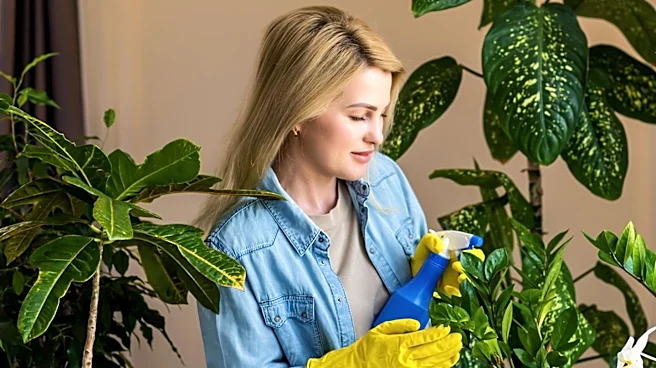
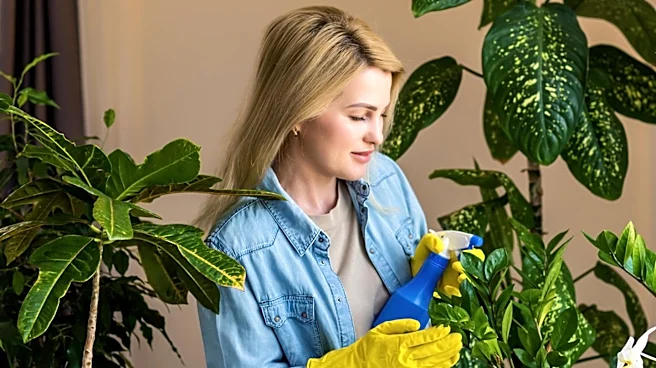
treating any infestations with methods like insecticidal soap or neem oil, and thoroughly showering foliage with a garden hose to dislodge soft-bodied pests. Additionally, flushing the pot with water can remove unwanted soil inhabitants such as ants or millipedes. Pruning plants, especially tropical varieties, by one-quarter to one-third of their size can help them adapt to lower indoor light levels. Repotting root-bound plants into larger containers with fresh potting medium is also recommended. Upon bringing plants inside, a quarantine period of 3 to 4 weeks is crucial to monitor for emerging pests and prevent them from spreading to existing indoor plants. Adjusting watering routines to avoid overwatering and refraining from fertilizing most plants during winter are also important for their indoor care.
Why It's Important?
The proper transition of houseplants from outdoor to indoor environments is critical for their long-term health and the prevention of pest infestations within homes. Neglecting these steps can lead to significant plant stress, disease, and the introduction of pests that can harm other indoor plants. For many tropical houseplants, cold temperatures are intolerable, making the timing of their return indoors essential to avoid frost damage. The shift from intense outdoor light to much lower indoor light levels requires plants to adapt, and proper pruning and repotting can ease this transition. Furthermore, the quarantine period is vital for maintaining a healthy indoor plant ecosystem, protecting existing collections from new pests that might be hidden on returning plants. This careful management ensures that the effort and investment in plant care throughout the warmer months are not undone by a hasty or unprepared move indoors, preserving the aesthetic and environmental benefits these plants provide.
What's Next?
Houseplant owners should begin monitoring nighttime temperatures, bringing plants indoors when temperatures consistently drop into the 40s or 50s Fahrenheit, or if a frost is forecast. Following the initial transition, owners will need to continuously monitor their plants during the 3-4 week quarantine period for any signs of pests or stress. Adjustments to watering schedules will be ongoing, with a focus on allowing soil to dry out slightly between waterings. Fertilization should generally be suspended unless plants are under LED grow lights, which can stimulate growth regardless of the season. Owners should also assess their indoor spaces to ensure adequate light conditions, potentially utilizing LED grow lights for plants that require more intense light than available from natural window exposure. Continued vigilance and adaptation to the indoor environment will be necessary to ensure the plants thrive throughout the colder months.
Beyond the Headlines
The seasonal migration of houseplants highlights a broader connection between human living spaces and the natural world, emphasizing the role of plants in enhancing indoor environments. This practice reflects a growing interest in biophilic design and the psychological benefits of integrating nature into daily life. The meticulous care required for this transition underscores a deeper appreciation for plant biology and the delicate balance of ecosystems, even on a small scale within a home. The potential for pest transfer also brings to light the interconnectedness of different environments and the importance of preventative measures in maintaining ecological health. This annual ritual of bringing plants indoors is not just about plant survival, but also about cultivating a mindful relationship with nature, adapting to seasonal changes, and fostering a sense of responsibility for living organisms within our personal spaces.