


What's Happening?
Soft grunge, a fashion style that evolved from early-nineties Seattle grunge, is characterized by a more subdued and melancholic approach rather than aggression. For men, this translates to less destruction and more washed-out aesthetics in clothing.
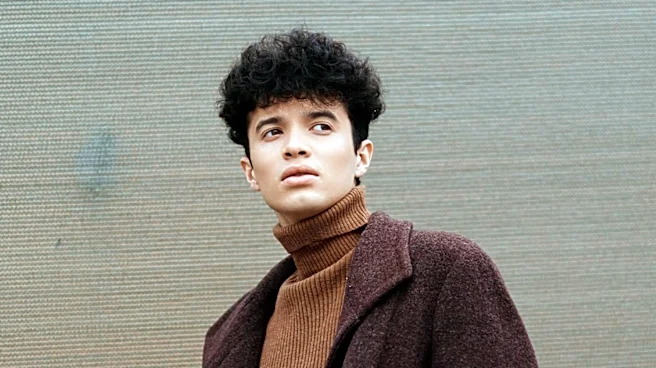
The style emphasizes muted colors, loose fits, and allows for one piece per outfit to appear worn. Key elements include washed-out tops, wide or lightly distressed trousers, an open third layer like a flannel shirt or jacket, and heavy footwear such as boots or worn-down sneakers. The aesthetic aims for a look that suggests an outfit has been worn for years rather than being newly purchased. This contrasts with 'hard grunge,' which features more overt destruction like multiple holes and paint splatters on jeans. Soft grunge focuses on gradation and silhouette, with items like jeans having an uneven wash and a single tear at the knee, sitting wide enough to break over the shoe.
Why It's Important?
The emergence and definition of soft grunge as a distinct fashion trend highlight a broader shift in contemporary style towards more nuanced and less overtly rebellious expressions. This evolution reflects a desire for comfort and authenticity while still maintaining a connection to historical subcultures. For the fashion industry, understanding such distinctions is crucial for product development and marketing, as it caters to a consumer base seeking specific aesthetic values. Retailers and designers can leverage these insights to create collections that resonate with individuals who appreciate the grunge aesthetic but prefer a more refined and less aggressive presentation. This trend also influences how consumers perceive and purchase clothing, favoring items that convey a sense of history and lived-in comfort over pristine newness, potentially impacting the market for vintage and distressed apparel.
What's Next?
As soft grunge continues to solidify its presence in fashion, designers and brands are likely to further integrate its principles into mainstream collections. This could lead to an increased availability of clothing items that feature washed-out fabrics, subtle distressing, and relaxed fits. We may see more collaborations between established fashion houses and brands known for their grunge-inspired aesthetics. Additionally, the influence of soft grunge could extend to other areas of lifestyle, such as interior design and music, as consumers seek to align their environments with their personal style. Social media platforms will continue to play a significant role in popularizing and evolving this trend, with influencers showcasing new interpretations and styling tips, further driving its adoption and adaptation among a wider audience.
Beyond the Headlines
The evolution from hard grunge to soft grunge reflects a broader cultural phenomenon where subcultures are often reinterpreted and softened for wider appeal. This process can be seen as a way for mainstream culture to assimilate elements of counter-culture, making them more palatable and commercially viable. Ethically, this raises questions about the authenticity of 'worn' or 'distressed' clothing that is manufactured to look old, rather than genuinely acquiring wear over time. It also highlights the cyclical nature of fashion, where past trends are continually revisited and reimagined to fit contemporary sensibilities. The emphasis on melancholy over aggression in soft grunge might also signal a shift in societal mood, where introspection and subtlety are valued over overt rebellion, reflecting a more nuanced approach to personal expression in an increasingly complex world.