




What's Happening?
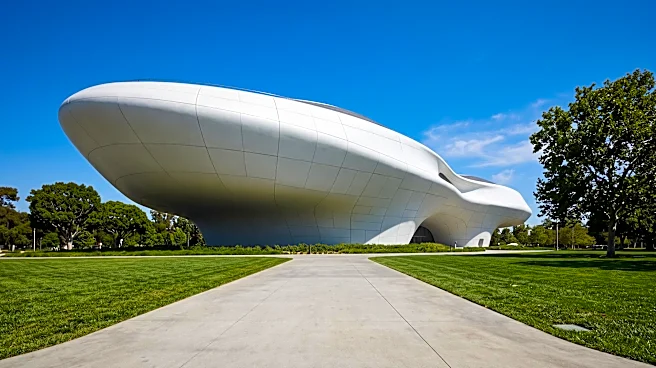
The Lucas Museum of Narrative Art is set to officially open its doors to the public on September 22, 2026, in Los Angeles. Founded by George Lucas and Mellody Hobson, the museum aims to celebrate the universal tradition of storytelling through images,
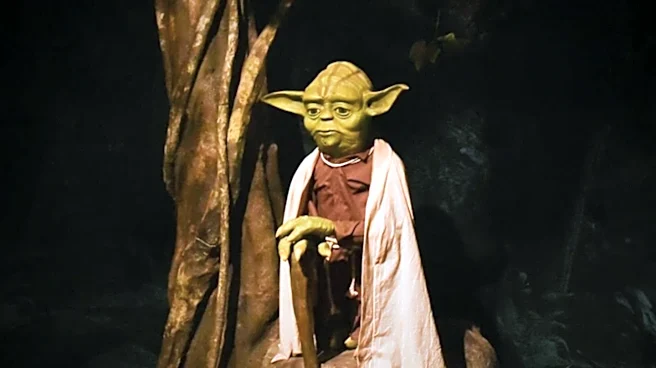
spanning various cultures and centuries. The 300,000-square-foot building, designed by Ma Yansong of MAD Architects with Stantec, features over 100,000 square feet of gallery space across more than 30 galleries. Its collection includes a wide range of visual storytelling mediums, from prehistoric cave paintings to illustration, comics, cinema, and murals, presenting art and popular culture with equal recognition. The museum will host member preview days from September 5-11, a Neighborhood Preview Day on September 13, and an Opening Night celebration on September 19, co-chaired by notable figures including Steven Spielberg and Tom Cruise. The inaugural exhibitions will trace the history of narrative art through over 1,300 works from the museum's collection, including a special 'Star Wars in Motion' exhibit focusing on land vehicles from the first six films of George Lucas's saga.
Why It's Important?
The opening of the Lucas Museum of Narrative Art signifies a significant cultural addition to Los Angeles and the U.S. art scene. By elevating contemporary storytelling mediums like comics and cinema to the same level as traditional fine arts, the museum challenges conventional art hierarchies and broadens the definition of art itself. This inclusive approach is expected to attract a diverse audience, fostering a greater appreciation for visual narratives across different demographics. The museum's focus on how stories connect people and shape beliefs has profound societal implications, potentially encouraging dialogue and understanding across various communities. Furthermore, the creation of a new 13-acre public green space in Exposition Park, replacing a former asphalt parking lot, addresses a critical need for urban green infrastructure in South Los Angeles, promoting community well-being and environmental sustainability. The museum's free research library and educational spaces also underscore its commitment to public engagement and learning, making art and storytelling accessible to a wider public.
What's Next?
Following the public opening on September 22, 2026, the Lucas Museum will continue to host its inaugural exhibitions, which include 'The History of Narrative Art: Heroes • Myths • The Sacred' and 'Star Wars in Motion.' The museum plans to offer ongoing educational programs and public engagement initiatives through its studio and classroom spaces, as well as its free research library. The Skywalker Grill, the museum's restaurant, will remain open beyond museum hours, providing a dining destination with panoramic views of Los Angeles. The museum's leadership, including CEO Tracey Bates, anticipates a continuous evolution of its offerings, with future exhibitions and programs likely to explore new facets of visual storytelling. The 13-acre park and gardens, designed to evolve with time, will also serve as a dynamic public space, featuring monumental outdoor sculptures and providing a venue for community activities. The museum's long-term impact will be measured by its ability to sustain its mission of connecting people through stories and fostering a deeper understanding of narrative art.
Beyond the Headlines
The Lucas Museum of Narrative Art's innovative approach to art curation, which places popular culture alongside traditional art forms, could spark a broader re-evaluation of what constitutes 'high art' in the U.S. This shift has the potential to democratize art appreciation, making museums more accessible and relevant to a wider audience who may not typically engage with traditional art institutions. The museum's emphasis on the power of visual storytelling to shape beliefs and foster community highlights the profound influence of narratives on human society, from ancient myths to modern cinema. This perspective encourages visitors to critically examine the stories that surround them and understand their role in shaping individual and collective identities. The inclusion of Joseph Campbell's personal library in the research facility further underscores the museum's commitment to exploring the universal patterns of human storytelling, offering a unique resource for scholars and the public to delve into the intellectual foundations of narrative art and its impact on generations of creators, including George Lucas himself.