







What's Happening?
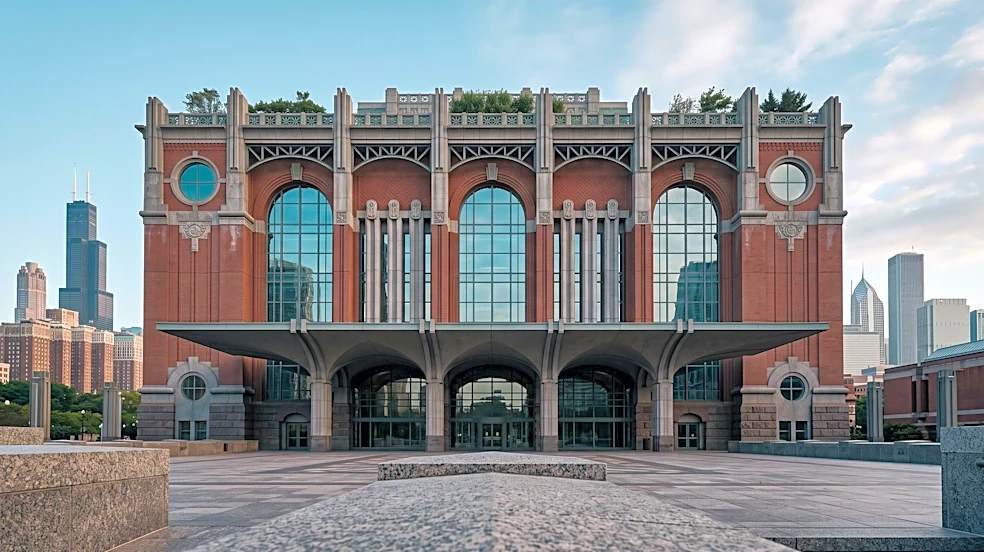
The Dance Theatre of Harlem (DTH) has made its return to Chicago after a ten-year hiatus, performing at the Auditorium Theatre. The company, founded in 1969 by New York City Ballet principal dancer Arthur Mitchell, presented a program featuring Robert
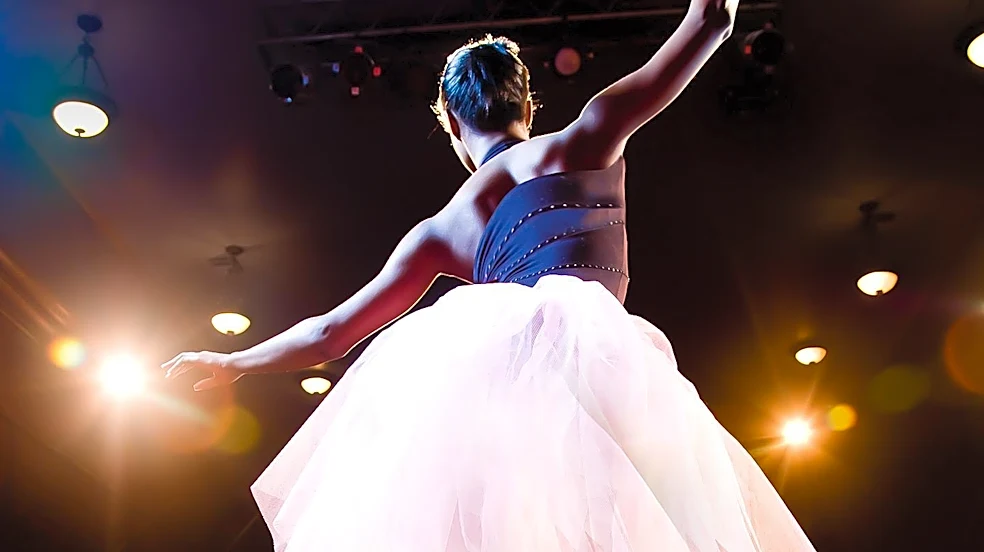
Garland’s neoclassical funk ballet 'Return' and John Taras’s 'Firebird.' 'Return,' created in 1999 to music by James Brown and Aretha Franklin, served as a fitting opener, marking the company's literal return to the city. DTH previously faced an eight-year hiatus due to financial difficulties before restarting and performing in Chicago in 2014. The company aims to highlight North American dance and continues Mitchell's vision that ballet is for everyone, especially in a field that has been slow to integrate Black artists. The performance showcased the versatility of the dancers, moving between contemporary funk and classical ballet styles.
Why It's Important?
The return of the Dance Theatre of Harlem to a major U.S. city like Chicago is significant for several reasons. It underscores the resilience of arts organizations, particularly those dedicated to promoting diversity and inclusion within traditionally exclusive art forms like ballet. DTH's history, emerging from the Civil Rights Movement, highlights its role as a leading voice in Black artistry. Its continued presence and performances challenge the slow pace of integration in American ballet, offering a platform for Black dancers and choreographers. The company's ability to blend classical European stylings with contemporary American influences, as seen in 'Return,' demonstrates the evolving nature of ballet and its capacity to reflect diverse cultural expressions. This engagement enriches the cultural landscape and provides audiences with unique artistic experiences that might otherwise be underrepresented.
What's Next?
The performance in Chicago marks the official kickoff to the Dance Theatre of Harlem's season, which is dedicated to highlighting North American dance. Following this engagement, the company is expected to continue its tour, bringing its unique blend of classical and contemporary ballet to other venues across the country. The success of this return to Chicago, evidenced by the strong audience turnout, suggests a continued demand for DTH's performances and its mission. Future engagements will likely continue to feature works that celebrate both the company's rich history and its commitment to innovation and diversity in ballet. The company will likely continue to be a prominent voice in discussions surrounding representation and accessibility within the performing arts.
Beyond the Headlines
The Dance Theatre of Harlem's journey, including its recovery from financial difficulties and its enduring commitment to its founding principles, speaks to broader themes within the arts community. It highlights the persistent challenges faced by cultural institutions in securing funding and maintaining relevance, especially those with a specific social mission. The company's emphasis on Black artistry and its role in integrating ballet reflects ongoing societal conversations about equity and representation across all sectors. By presenting works that span different eras and styles, DTH not only entertains but also educates, demonstrating the universal appeal and adaptability of ballet. Its performances serve as a powerful reminder of the transformative power of art and its capacity to reflect and shape cultural narratives.