
What's Happening?
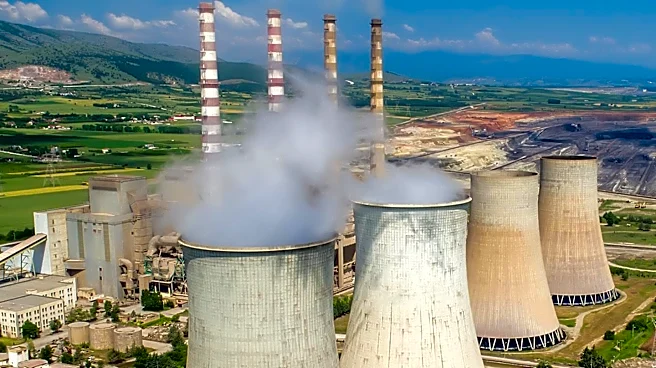
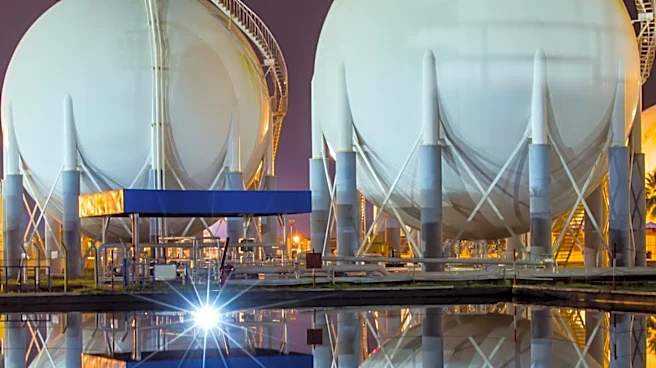
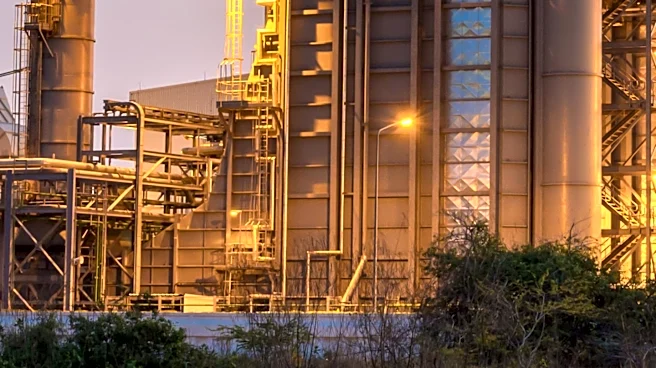
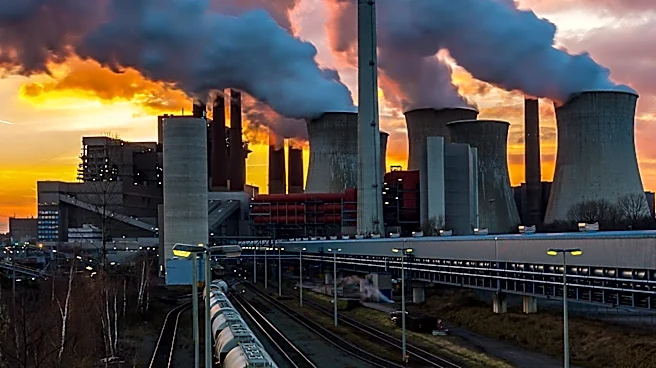
Amazon is planning to build a natural gas-burning power plant in Texas, which could become the largest single source of climate pollution in the United States. This development is part of Amazon's strategy
to support its growing artificial intelligence and data center operations. The power plant is expected to release 33 million tons of carbon dioxide annually, raising concerns about its impact on climate change. Despite Amazon's commitment to achieving net-zero carbon emissions by 2040, the company acknowledges that the current demand for AI and data services necessitates rapid infrastructure expansion, which may conflict with its environmental goals.
Why It's Important?
The construction of this power plant highlights the tension between technological advancement and environmental responsibility. As Amazon expands its AI capabilities, the reliance on fossil fuels for energy could undermine global efforts to combat climate change. This situation underscores the challenges faced by tech giants in balancing business growth with sustainability commitments. The potential increase in emissions could also affect public health and contribute to climate-related issues, prompting criticism from environmental groups and communities near the plant.
What's Next?
Amazon's decision may prompt further scrutiny from environmental organizations and policymakers, potentially leading to calls for stricter regulations on emissions from tech companies. The company may need to explore alternative energy sources or carbon offset strategies to align its operations with its climate pledge. Additionally, the development could influence other tech firms' approaches to energy sourcing, as they navigate similar challenges in meeting growing data demands while adhering to environmental commitments.