








What's Happening?
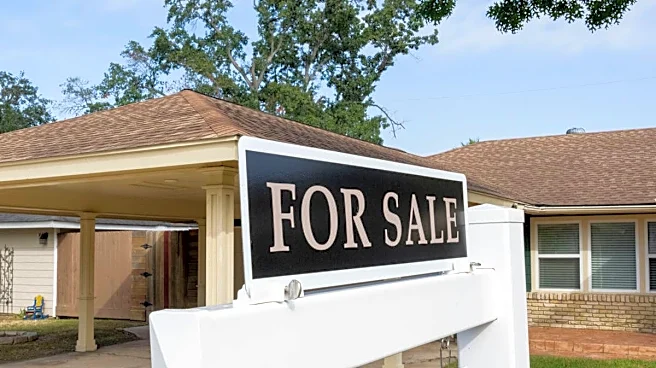
U.S. home prices have reached an all-time high, climbing to nearly $409,000 in June, marking a 2.2% increase from the previous year, according to a report by Redfin. This rise is attributed to significant year-over-year gains in metropolitan areas such
as San Francisco, Pittsburgh, and West Palm Beach, Florida. The report highlights that 22% of homes sold above their original list price, driven by high-end buyers who are purchasing seven-figure homes. Despite the increase, the growth rate of home prices is slower compared to the pandemic period when prices rose at double-digit rates. The 30-year mortgage rate remains around 6.5%, which has priced out many first-time and average move-up buyers.
Why It's Important?
The rise in home prices, coupled with high mortgage rates, presents challenges for potential homebuyers, particularly first-time buyers and those looking to upgrade. The current market conditions favor higher-income buyers, which could exacerbate economic inequality in housing access. The slower growth rate of home prices compared to the pandemic period may offer some relief, but the persistent high prices continue to strain affordability. This situation impacts the broader economy by potentially slowing down the housing market, which is a significant driver of economic activity. Additionally, the lack of anticipated rate cuts by the Federal Reserve suggests that mortgage rates may remain high, further affecting affordability.
What's Next?
With inflation easing slightly, there is a possibility of stabilization in the housing market, but significant relief in terms of price reductions or lower mortgage rates is unlikely in the near term. The Federal Reserve's stance on interest rates will be crucial in determining future market conditions. If rates remain high, it could lead to a prolonged period of reduced affordability and slower market activity. Stakeholders, including policymakers and real estate professionals, may need to explore measures to improve housing affordability and address the needs of lower-income buyers.