








What's Happening?
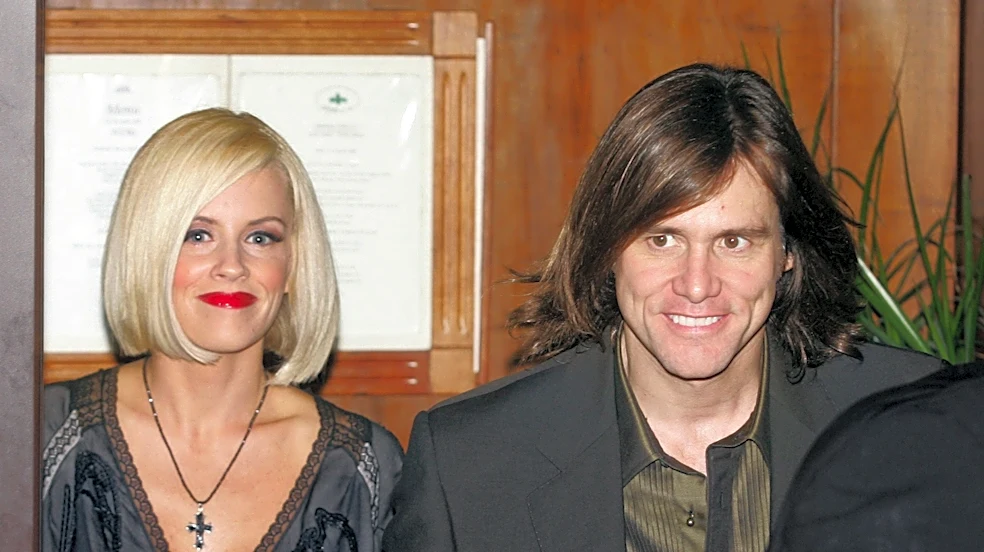
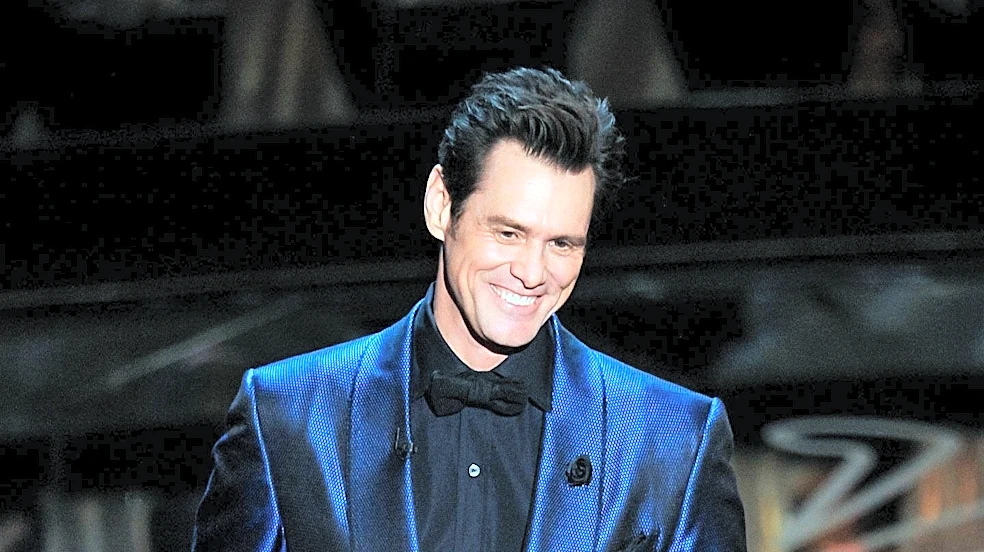
Jenny McCarthy has claimed that Tom Cruise attempted to 'lure' her and her then-boyfriend, Jim Carrey, into Scientology during his 2006 wedding to Katie Holmes. Speaking on her eponymous podcast with former Scientologist Anne Gollert Hill, McCarthy recounted
that Cruise tried to recruit them at the rehearsal dinner, where she and Carrey were seated directly across from the bride and groom. She described an uncomfortable moment when she asked to hold Cruise and Holmes' newborn daughter, Suri, and received a 'Scientology stare' from the other guests. McCarthy also recalled being introduced to David Miscavige, the leader of the Church of Scientology, by Cruise, and noted Carrey's reluctance to visit Cruise's home in Aspen due to fears of recruitment. Additionally, McCarthy observed a significant shift in Katie Holmes' demeanor during her marriage to Cruise, describing her as looking 'like a deer in headlights.'
Why It's Important?
These allegations from Jenny McCarthy shed light on the recruitment practices associated with Scientology, particularly involving high-profile individuals within the entertainment industry. The claims suggest a concerted effort by Tom Cruise, a prominent Scientologist, to introduce others to the organization, even during personal events like his wedding. This narrative contributes to the ongoing public discourse and scrutiny surrounding Scientology's influence and methods, especially concerning its celebrity members. For the public, it offers a glimpse into the social dynamics and potential pressures within celebrity circles related to religious affiliations. The observations about Katie Holmes' demeanor also add to the public perception of the complexities and challenges faced by individuals involved with high-profile Scientologists, raising questions about personal autonomy and the impact of such relationships on public figures.
What's Next?
The resurfacing of these allegations could reignite public interest and discussion around Tom Cruise's involvement with Scientology and the organization's practices. It may prompt further commentary from other former members or individuals who have had similar experiences. While Tom Cruise has not publicly responded to these specific claims in the provided source, such accusations often lead to renewed media attention on the Church of Scientology. For Jenny McCarthy, these revelations are part of her ongoing public commentary on her past experiences. The broader implications could include increased scrutiny on how celebrity figures use their influence, both intentionally and unintentionally, to promote or introduce others to their beliefs. This event is likely to remain a topic of discussion in celebrity news and among those interested in the dynamics of Scientology.
Beyond the Headlines
Jenny McCarthy's account touches upon the ethical dimensions of proselytization within social and professional circles, particularly when power dynamics and celebrity influence are at play. The alleged attempts to 'lure' individuals into a religious organization, especially during a private event like a wedding, raise questions about boundaries and consent. The 'Scientology stare' anecdote, while anecdotal, highlights the perceived insularity and intense social dynamics within the group, which can be intimidating to outsiders. Furthermore, McCarthy's observations about Katie Holmes' change in demeanor during her marriage to Cruise contribute to a broader narrative about the potential psychological and social impacts of involvement with certain high-control groups, particularly for those in the public eye. This story transcends mere celebrity gossip, offering a window into the complex interplay of personal beliefs, social pressure, and public image within the unique environment of Hollywood.