


What's Happening?
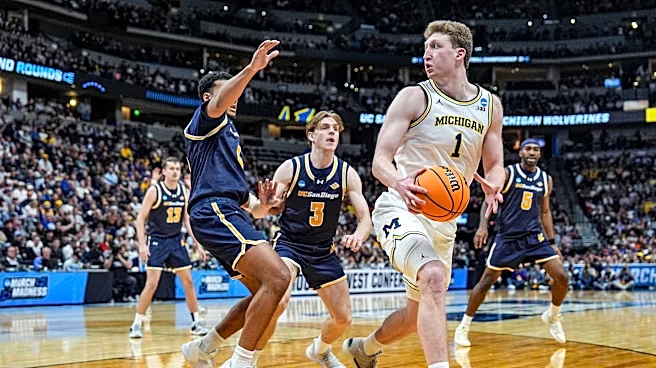
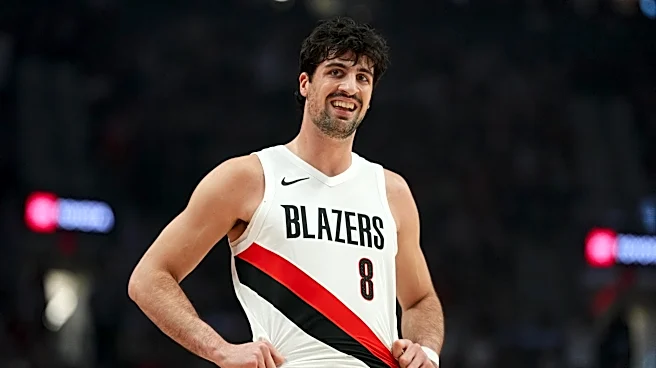
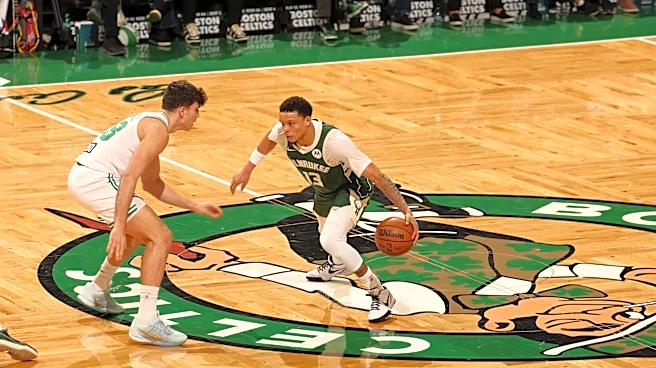
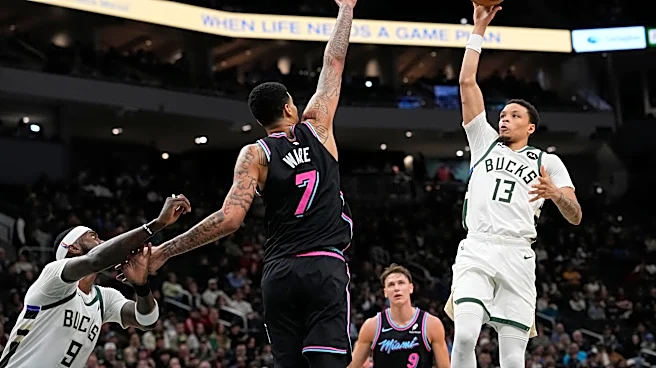
Mark Sears has signed an Exhibit 10 deal with the Portland Trail Blazers. This agreement, reported by Joe Freeman of The Oregonian, indicates that Sears is expected to be waived by the Trail Blazers and subsequently moved to their G League affiliate,
the Rip City Remix. Sears previously played as a two-way player for the Milwaukee Bucks last season. An Exhibit 10 contract is a one-year, non-guaranteed deal that allows an NBA team to convert it into a two-way contract before the start of the regular season. If the player is waived, they can receive a bonus of up to $75,000 if they sign with the team's G League affiliate and remain there for at least 60 days. This type of contract is commonly used by NBA teams to secure talent for their G League teams while retaining the option to call them up to the main roster if needed.
Why It's Important?
This signing is significant for Mark Sears as it provides him with a clear path to professional basketball development within the Portland Trail Blazers organization, albeit initially through their G League team. For the Trail Blazers, it represents a strategic move to bolster their G League roster with a player who has prior NBA two-way experience, offering depth and potential future talent for the main squad. The use of an Exhibit 10 contract highlights a common practice in the NBA for managing player development and roster flexibility, allowing teams to evaluate prospects closely in a competitive environment without committing to a full NBA roster spot immediately. This system benefits both the player, who gains professional experience and a financial incentive, and the team, which can cultivate talent for future needs. It also underscores the vital role of the G League as a developmental pipeline for NBA teams, providing a structured pathway for players to hone their skills and potentially earn a spot in the league.
What's Next?
Following the signing of the Exhibit 10 deal, Mark Sears is expected to be waived by the Portland Trail Blazers and then join the Rip City Remix, their G League affiliate. His immediate focus will be on performing well in the G League to demonstrate his capabilities and earn a call-up to the NBA roster. For the Trail Blazers, they will closely monitor Sears's progress with the Rip City Remix, evaluating his potential to contribute to the main team in the future. This move also allows the Trail Blazers to maintain roster flexibility as they head into the upcoming season, with the option to convert Sears's contract to a two-way deal if his performance warrants it. Other teams may also be watching Sears's development, as strong performances in the G League can often lead to opportunities with other NBA franchises. His journey will be a testament to the effectiveness of the G League as a proving ground for aspiring NBA players.
Beyond the Headlines
The Exhibit 10 contract, while seemingly a minor transaction, reflects a broader trend in professional basketball towards sophisticated player development and roster management. It illustrates how NBA teams are increasingly leveraging their G League affiliates not just as farm teams, but as integral components of their long-term talent strategy. This system allows for a more fluid movement of players between the NBA and G League, providing opportunities for players who might not immediately make an NBA roster but possess significant potential. It also highlights the financial incentives built into these contracts, which encourage players to commit to a team's developmental system. From a player's perspective, navigating these contracts requires a strategic approach to career development, balancing immediate financial gain with long-term aspirations for an NBA career. The success of players like Mark Sears in this system can influence how future prospects view their entry into professional basketball, emphasizing the importance of G League performance as a stepping stone to the highest level of the sport.