




What's Happening?
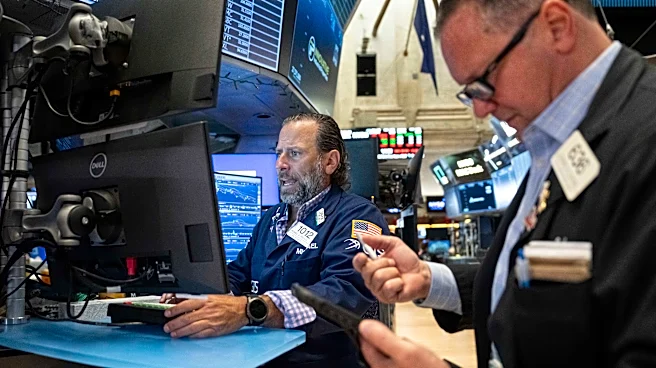
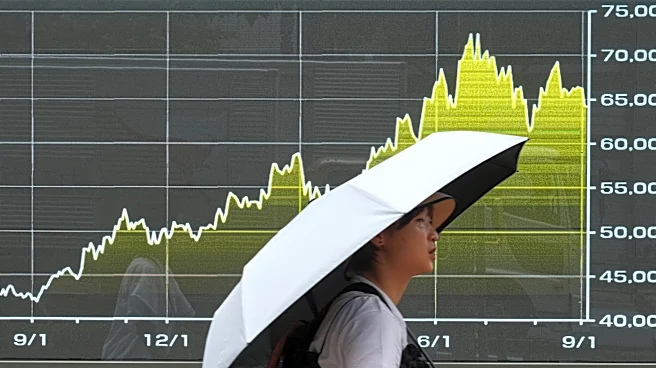
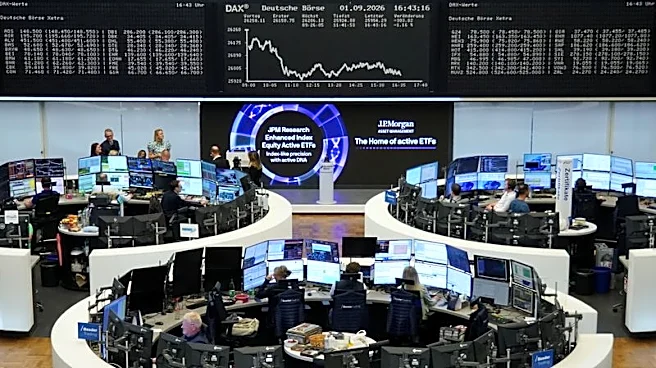
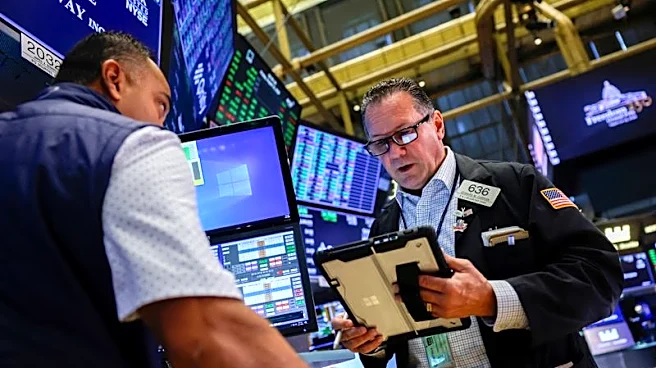
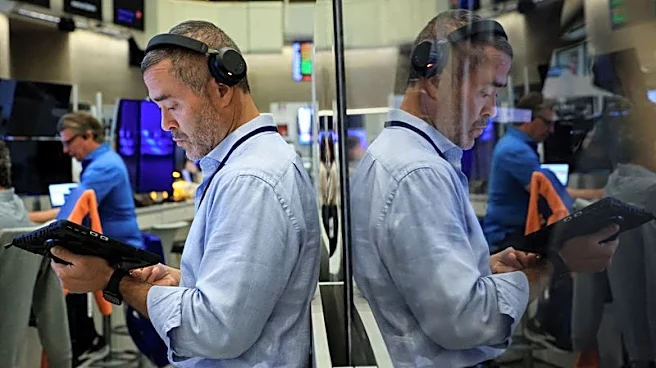
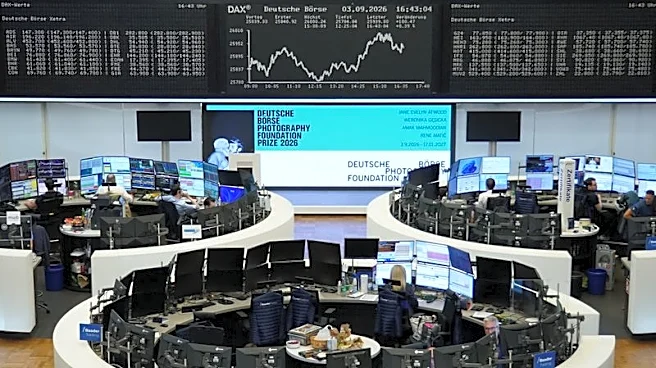
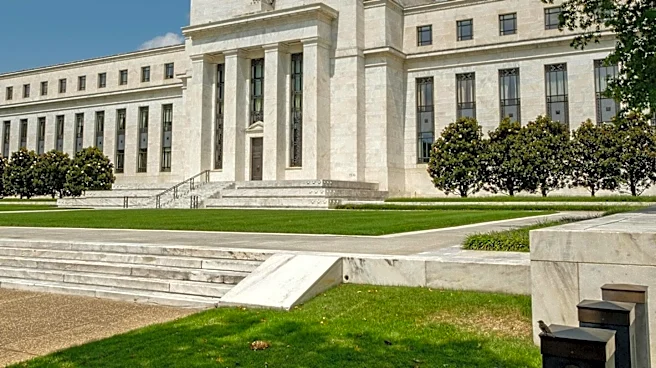
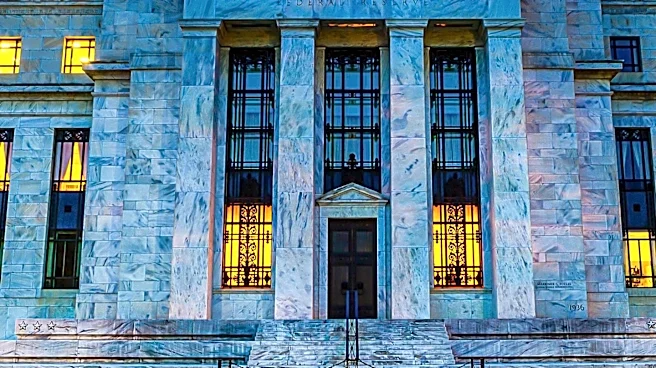
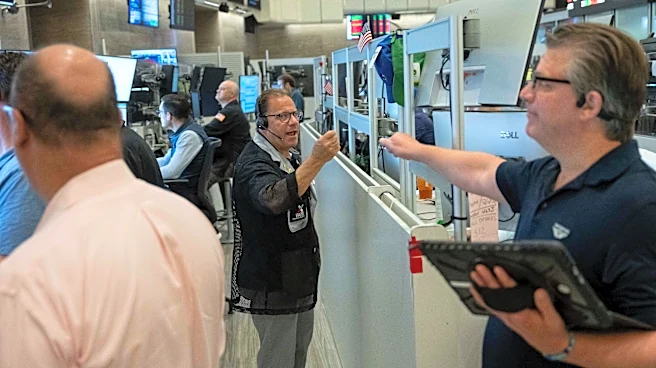
U.S. stocks experienced a broad rally on Thursday, recovering from a four-session slide that had impacted the Nasdaq 100. This market rebound was primarily driven by comments from Federal Reserve Governor Christopher Waller, who indicated a willingness
to support holding interest rates at their current level if progress continues towards the Fed's 2% inflation target. Following Waller's remarks, traders adjusted their expectations for a September rate hike, with the probability dropping from approximately 70% earlier in the week to about 50%. This shift in sentiment led to a relief rally, particularly benefiting rate-sensitive sectors such as software, small-cap companies, and crypto-linked assets. The yield on the 10-year Treasury note eased to 4.75%, and the dollar index slid to 99, a near two-week low, further contributing to the market's positive momentum. The S&P 500 rose 0.96%, the Dow Jones Industrial Average advanced 1.1%, and the Nasdaq 100 climbed 1.0%.
Why It's Important?
The Federal Reserve's stance on interest rates significantly influences the U.S. economy and financial markets. A potential pause in rate hikes, as hinted by Governor Waller, signals a less aggressive monetary policy, which can reduce borrowing costs for businesses and consumers. This can stimulate economic activity, encourage investment, and alleviate concerns about a potential recession. For industries, lower interest rates can make it cheaper to finance expansion, leading to increased hiring and production. Technology and growth stocks, which are often more sensitive to interest rate changes due to their future earnings potential, tend to perform well in such environments. Conversely, a more hawkish Fed policy, characterized by continued rate hikes, can dampen economic growth and lead to market volatility. The market's immediate positive reaction underscores the importance of the Fed's communication in shaping investor confidence and market direction.
What's Next?
The market will closely monitor upcoming economic data, particularly the jobs report, for further indications of economic health and inflationary pressures. Traders will continue to assess the probability of future rate hikes, with the Federal Reserve's next policy meeting being a key event. Any further statements from Fed officials will also be scrutinized for clues regarding the future trajectory of monetary policy. Companies in rate-sensitive sectors, such as technology and software, may continue to see increased investor interest if the outlook for stable or lower interest rates persists. Conversely, any resurgence in inflation concerns or hawkish signals from the Fed could reverse the current market optimism. The easing of bond yields and the weakening dollar could also influence international trade and investment flows, potentially impacting U.S. companies with significant global operations.
Beyond the Headlines
The market's strong reaction to a single statement from a Federal Reserve Governor highlights the outsized influence of central bank communication in modern financial markets. This phenomenon, often referred to as 'Fed-speak,' means that even subtle shifts in language can trigger significant market movements. This reliance on central bank guidance can create a feedback loop where market expectations heavily influence policy decisions, and vice versa. Furthermore, the rally in crypto-linked assets following the rate hike pause hint underscores the growing integration of digital assets into the broader financial system and their sensitivity to traditional monetary policy. The broader implications include a potential shift in investment strategies, with a renewed focus on growth-oriented assets, and a re-evaluation of risk in various market segments as investors adapt to evolving monetary policy expectations.