







What's Happening?
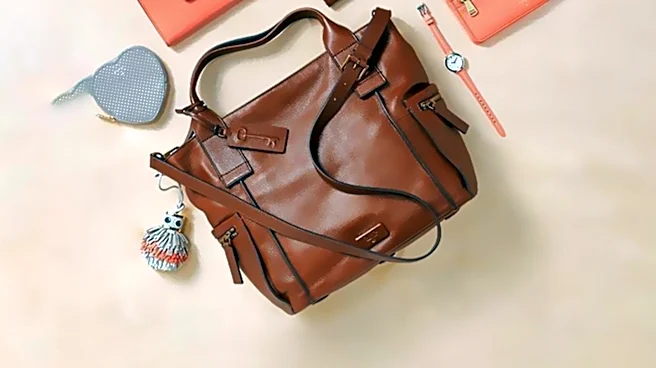
Kate Spade New York, a global lifestyle brand known for its colorful and optimistic designs, is actively participating in the resurgence of the 'tiny bag' trend. The brand has launched a range of mini bags specifically designed for carrying essentials
during nights out, concerts, and errands. These compact handbags, while small, are engineered with clever details to maximize versatility and practicality. Examples include the 454 Mini Crossbody, which can be worn as both a crossbody and shoulder bag, and the Duo Dot Suede Mini Shoulder Bag, offering three wearing styles and the capacity to hold most large smartphones. This move by Kate Spade New York reflects a broader fashion shift away from oversized bags towards more selective, essential-only carrying options, providing a more considered finish to outfits for various occasions.
Why It's Important?
The re-emergence of the tiny bag trend, championed by brands like Kate Spade New York, signifies a notable shift in consumer preferences within the fashion industry. For U.S. consumers, this trend offers a practical yet stylish alternative to larger, more cumbersome bags, particularly for social events where minimal carrying is desired. From an economic perspective, this trend can stimulate sales in the accessories market, as consumers may be inclined to purchase new, smaller bags to align with current fashion dictates. Retailers and designers who adapt quickly to such shifts stand to gain market share, while those who lag may see reduced relevance. The emphasis on versatility and smart design in these mini bags also highlights an evolving consumer demand for functional fashion, where aesthetics are balanced with utility, impacting product development strategies across the industry.
What's Next?
The continued success of Kate Spade New York's mini bag collections will likely influence other fashion brands to further invest in and innovate within the compact accessory market. Consumers can anticipate a wider array of tiny bag options from various designers, potentially leading to increased competition and diverse offerings in terms of materials, designs, and price points. The brand may also explore expanding its mini bag range to include more specialized designs for specific events or functionalities. Furthermore, the trend's longevity will depend on its sustained appeal to consumers, potentially evolving into a staple rather than a fleeting fad, which could lead to more permanent shifts in handbag production and marketing strategies across the U.S. fashion landscape.
Beyond the Headlines
The tiny bag trend, as embraced by Kate Spade New York, subtly reflects broader societal shifts towards minimalism and intentional consumption, particularly among younger demographics. In an increasingly digital world where physical necessities are diminishing (e.g., digital tickets replacing physical ones), the need for large bags to carry numerous items is reduced. This trend also touches upon the psychological aspect of fashion, where carrying a smaller bag can symbolize freedom from clutter and a focus on essentialism. Culturally, it represents a cyclical nature of fashion, drawing inspiration from past eras while reinterpreting styles for contemporary lifestyles. For the U.S. market, this could foster a greater appreciation for thoughtful design and multi-functional accessories, influencing not just fashion but also product design in other consumer goods sectors.