





What's Happening?
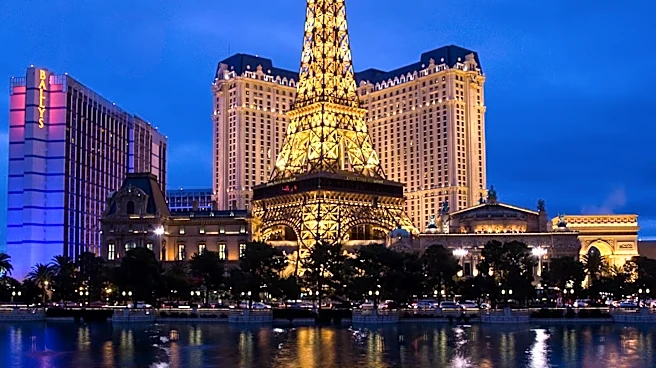
Bally's Corp. is exploring the potential sale of its rights to a $1.1 billion mixed-use development project on the former Tropicana hotel site in Las Vegas. A last-minute buyer has expressed interest in acquiring these rights, with a deal needing to be
finalized before Thursday's Las Vegas Stadium Authority board meeting to ensure the project remains on schedule for a 2028 opening alongside the Athletics' ballpark. If no deal is reached, Bally's is prepared to proceed with Phase 1 of the development, which includes a multi-level podium with parking, retail, entertainment, dining, and the main stadium entrance. Later phases envision a 2,500-seat theater, a hotel tower, casino, and additional amenities. The company has secured financial backing for the initial phase and is awaiting Federal Aviation Administration approval for its plans. This consideration comes as Bally's faces growing concerns about its ability to fund multiple large-scale projects, including a significant investment in a New York gaming license and an integrated resort in Chicago.
Why It's Important?
This potential sale highlights the significant financial pressures and strategic decisions facing major gaming and entertainment companies in the U.S. The Las Vegas project is a crucial component of the broader development around the new Athletics ballpark, and its successful completion is vital for the economic revitalization of that area. A sale could provide Bally's with a substantial capital injection, which could then be redirected to other high-priority projects, such as its $4 billion New York casino development, which has already seen over $800 million invested without construction commencing. For Las Vegas, a new buyer could either accelerate or alter the development timeline and vision for the area surrounding the ballpark. The involvement of the Las Vegas Stadium Authority underscores the public interest and regulatory oversight in ensuring the project meets 'world-class' standards. The outcome will impact local employment, tourism, and the overall economic landscape of the region, as well as the financial stability and strategic direction of Bally's Corp. and its various ventures.
What's Next?
The immediate next step is the Las Vegas Stadium Authority board meeting on Thursday. Representatives from the Athletics, Bally's, and landlord Gaming and Leisure Properties Inc. (GLPI) are expected to provide an update on the northwest plaza, specifically addressing the stadium entrance. A definitive plan is required to ensure the project upholds the standard of a premier world-class stadium. If a deal for the sale of Bally's rights is not struck by Thursday, Bally's will proceed with its existing Phase 1 plans. The company will continue to pull necessary permits and await FAA approval. The long-term implications include how Bally's will manage its financial obligations across its various projects, particularly the New York gaming license and the Chicago integrated resort. The company's recent SEC filing indicated growing concerns about its ability to move forward and the potential need for capital-raising opportunities, making the outcome of this Las Vegas project crucial for its broader financial strategy.
Beyond the Headlines
The situation with Bally's in Las Vegas reflects a broader trend in the U.S. gaming and entertainment industry, where companies are undertaking ambitious, multi-billion-dollar projects across different states. This expansion often involves significant capital expenditure and complex financing structures, making them susceptible to market fluctuations and investor scrutiny. The pressure on Bally's to potentially sell its Las Vegas project rights to fund other ventures, particularly the New York project, illustrates the high stakes and competitive nature of securing and developing lucrative gaming licenses. This scenario also highlights the intricate relationship between private developers and public entities, such as the Las Vegas Stadium Authority, which plays a critical role in ensuring that large-scale developments align with community standards and economic goals. The outcome could set a precedent for how major development rights are traded and financed in the U.S., especially in sectors with high regulatory hurdles and significant public interest.