
What's Happening?
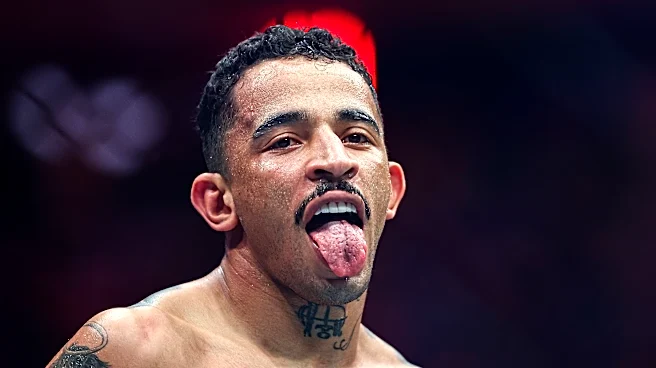
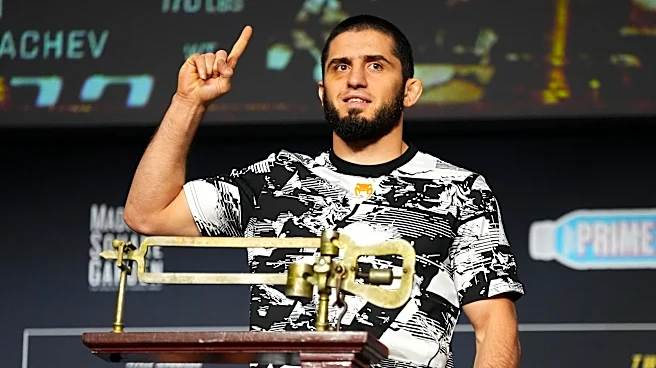
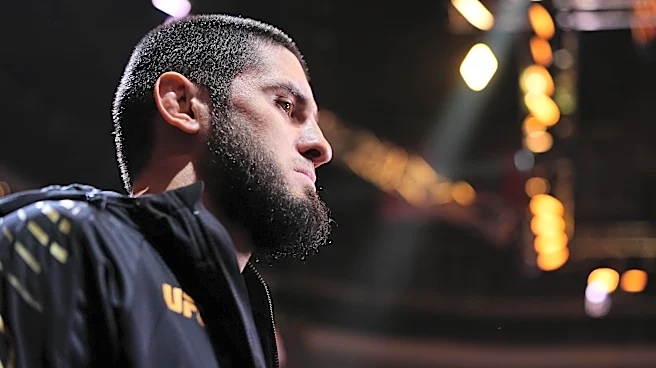
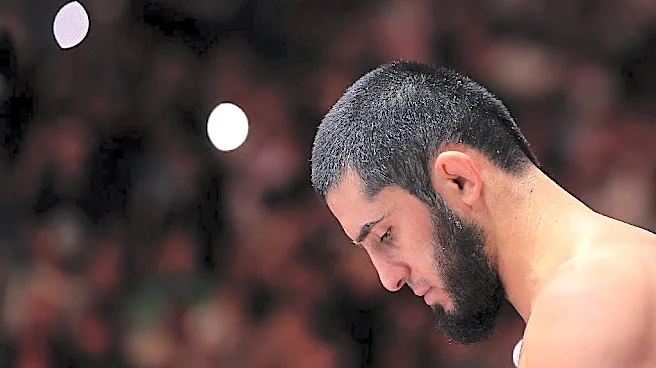
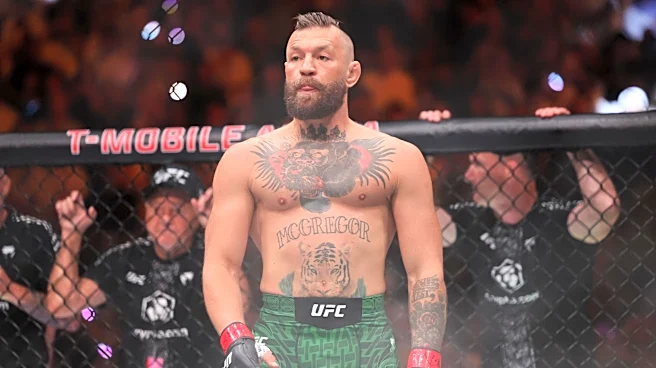
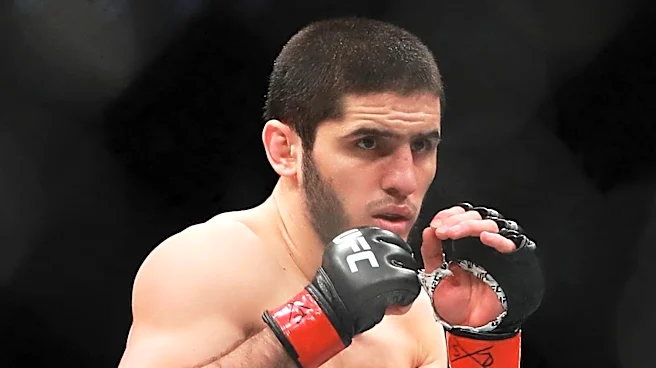
Islam Makhachev, the reigning 170-pound champion, has withdrawn from a verbally agreed-upon title defense against Carlos Prates at UFC 336, scheduled for January 30, 2027. UFC CEO Dana White confirmed
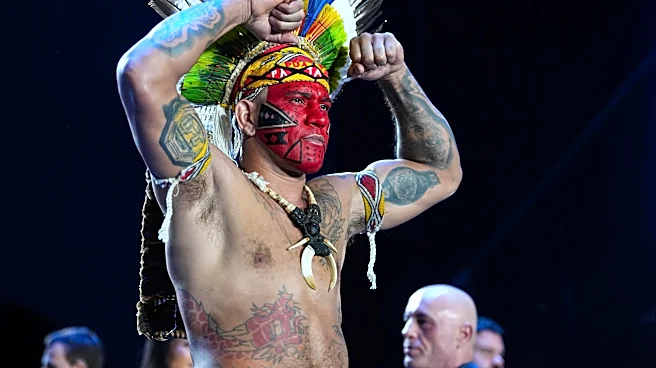
that Makhachev had agreed to the fight before pulling out. Makhachev stated that he wants Prates and Michael Morales to fight to determine a 'true worthy contender,' and he will then face the winner. This decision has led to significant backlash, particularly from Carlos Prates, who accused Makhachev of 'chickening out.' The UFC has since booked Prates vs. Morales for an interim belt at UFC 336, with Joshua Van defending his belt against Manel Kape in the main event. Despite the controversy, Makhachev recently reflected on his favorite UFC bout, identifying his 'street fight' against Dustin Poirier at UFC 302 on June 1, 2024, as the most emotionally impactful and enjoyable due to its intensity and his ability to secure a finish.
Why It's Important?
Makhachev's withdrawal from UFC 336 and his reasoning have significant implications for the UFC's welterweight division and fighter dynamics. By declining to fight Prates, Makhachev has effectively stalled the undisputed title picture, forcing the creation of an interim belt. This move could set a precedent for champions to dictate their opponents based on perceived 'worthiness,' potentially leading to more interim titles and delayed unification bouts. For fighters like Carlos Prates, who was verbally promised a title shot, this creates frustration and uncertainty, impacting their career trajectory and financial prospects. The UFC's decision to proceed with an interim title fight highlights the organization's need to maintain a competitive schedule and satisfy fan demand, even when a champion is reluctant to defend their belt. This situation also underscores the power dynamics between top-tier champions and the promotion, as well as the challenges of managing fighter expectations and contractual agreements.
What's Next?
Following Makhachev's withdrawal, Carlos Prates and Michael Morales are now scheduled to compete for the interim welterweight belt at UFC 336. The winner of this bout will be positioned as the next challenger for Islam Makhachev's undisputed title. Makhachev has indicated he will fight the winner, suggesting a potential unification bout sometime after UFC 336. The UFC will likely monitor the fan and fighter reactions to this interim title scenario, as it could influence future matchmaking decisions and champion obligations. The controversy surrounding Makhachev's pullout may also lead to discussions about clearer contractual agreements for title defenses and the criteria for 'worthy contenders' to prevent similar situations in the future. The outcome of the Prates vs. Morales fight will directly shape the immediate future of the welterweight division.
Beyond the Headlines
Makhachev's decision to withdraw from a verbally agreed-upon fight, citing a desire for a 'true worthy contender,' raises broader questions about the integrity of verbal agreements in professional sports and the subjective nature of 'worthiness' in title contention. This incident could spark debates within the MMA community regarding fighter autonomy versus promotional control. Ethically, it challenges the expectation that champions should fight all challengers, regardless of their perceived status. Legally, while a verbal agreement was in place, the lack of a signed contract provided Makhachev with an out, highlighting a potential loophole in fighter agreements. Culturally, it reflects a growing trend where top athletes, particularly in individual sports, exert more control over their careers and opponents, potentially shifting power dynamics within sports organizations. This could lead to a re-evaluation of how title challengers are determined and how champions are incentivized to defend their belts regularly.