


What's Happening?
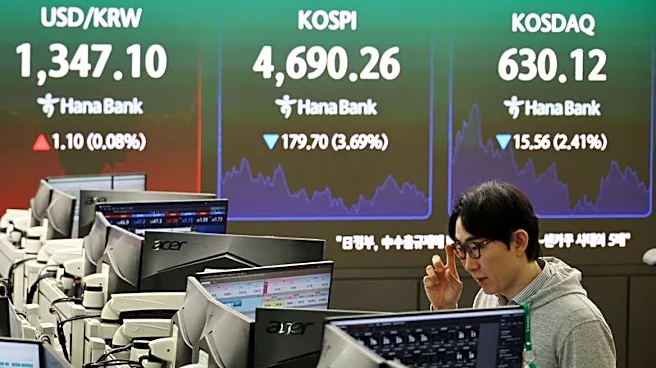
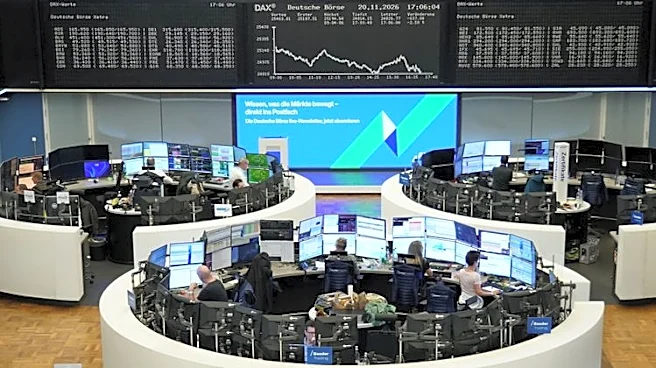
Taiwan's stock market experienced a significant downturn, with the TAIEX falling almost 18% last week, marking its worst selloff since 1991. This led to a surge in margin calls, reaching NT$6.46 billion ($196 million) on Friday, November 20, which is over
200 times the level from a month prior. In response, the NT$500 billion (US$15.2 billion) National Stabilization Fund (NSF) intervened in the market. According to Edward Chen, chairman of Fubon Securities Investment Services, the fund actively bought stocks during morning trading on Monday, November 23, specifically targeting and squeezing foreign short sellers. This intervention contributed to the TAIEX rising just over 2% on that day. Additionally, regulators implemented tighter short-selling rules and held meetings with brokers to discuss further measures to stabilize the market.
Why It's Important?
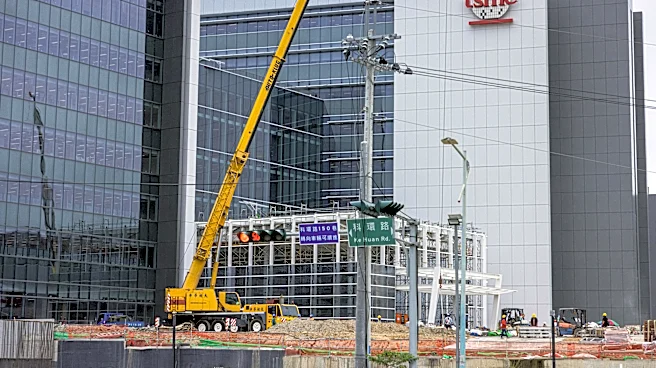
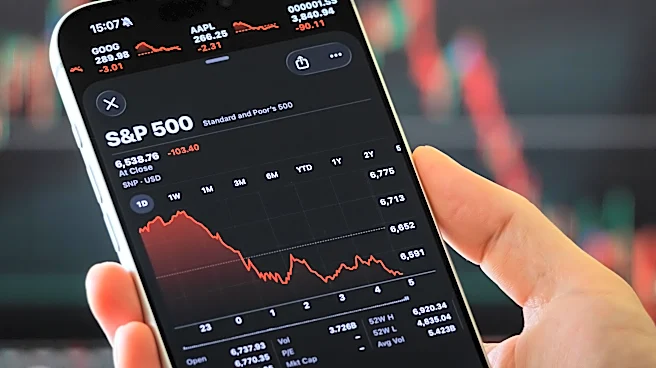
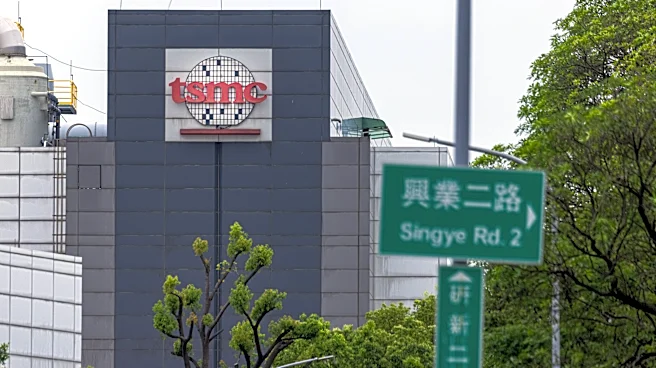
The intervention by Taiwan's National Stabilization Fund highlights governmental efforts to prevent a prolonged stock market crash and restore investor confidence amidst significant volatility. The substantial increase in margin calls and the record decline in margin loans indicate a broad-based retreat by investors, particularly those leveraged in AI-related stocks. Taiwan's market is heavily exposed to the AI trade, with Taiwan Semiconductor Manufacturing Co (TSMC) alone accounting for over 40% of the TAIEX. The selloff reflects a broader global reckoning for the AI sector, raising concerns about its stability and the potential for further market contagion. The government's actions aim to mitigate systemic risk and protect the financial stability of a market crucial to the global technology supply chain.
What's Next?
Despite the initial positive impact of the National Stabilization Fund's intervention, analysts suggest that state fund buying alone may not be sufficient to fundamentally shift market sentiment. Premier Cho Jung-tai has indicated that the government will consider expanding the fund, acknowledging concerns about its current capacity to stabilize markets during severe turmoil. Further regulatory actions, such as additional short-selling curbs or adjustments to margin requirements, may be implemented. The market will likely continue to be influenced by global sentiment regarding the AI trade and any further developments concerning major players like TSMC. Investors will be closely watching for signs of sustained recovery or further declines, as the effectiveness of these measures will determine the market's short-to-medium-term trajectory.
Beyond the Headlines
The current market turmoil in Taiwan underscores the inherent risks associated with concentrated sector investments, particularly in rapidly evolving areas like artificial intelligence. The 'dip-buying' mentality prevalent among local investors, which had previously been rewarded, is now facing a significant test, revealing that market corrections can quickly escalate into routs. This situation also highlights the delicate balance between market freedom and government intervention, as authorities deploy substantial funds and regulatory measures to counteract market forces. The broader implications extend to the global tech supply chain, as Taiwan's stability is critical for the production of advanced semiconductors. The ongoing volatility could prompt a re-evaluation of investment strategies and risk management practices across global financial markets, especially concerning sectors heavily reliant on speculative growth.