




What's Happening?
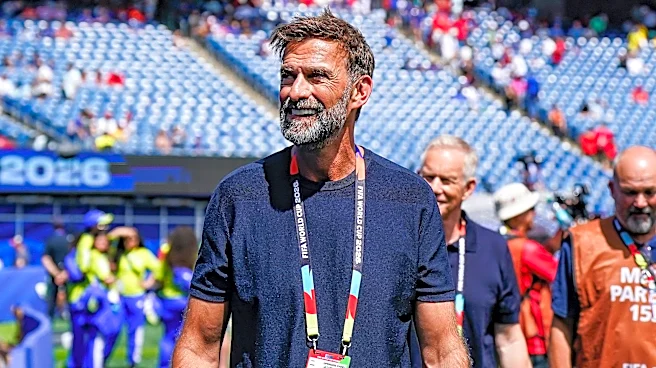
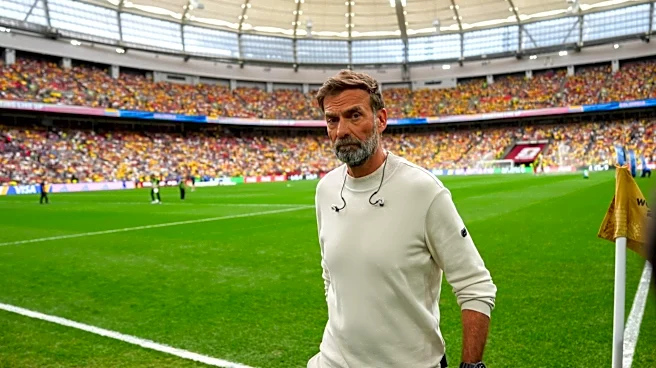
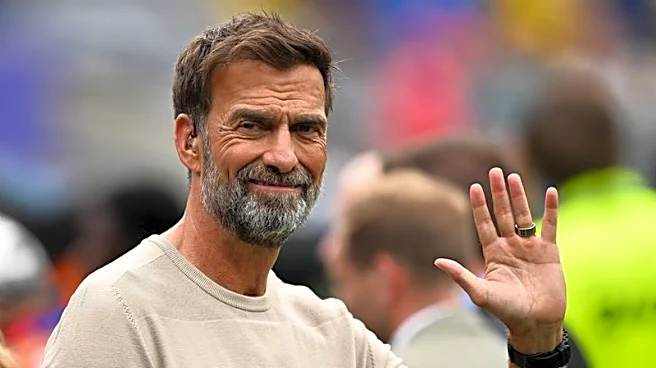
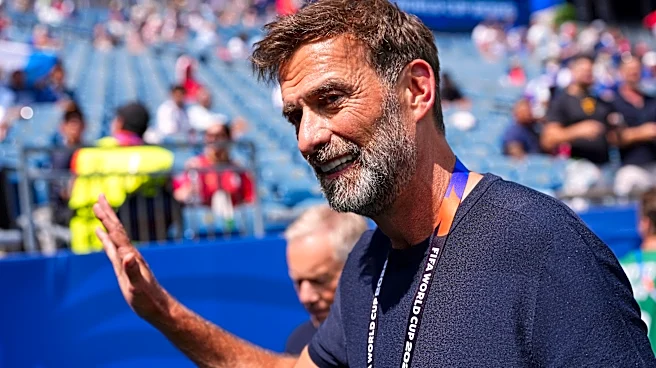
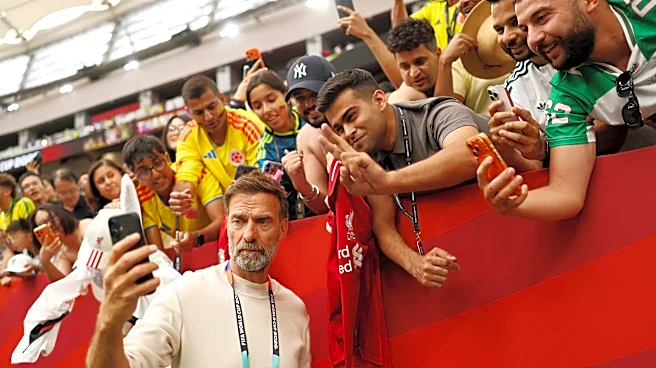
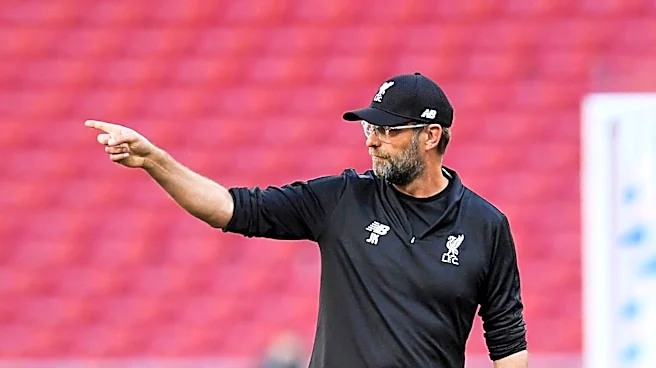
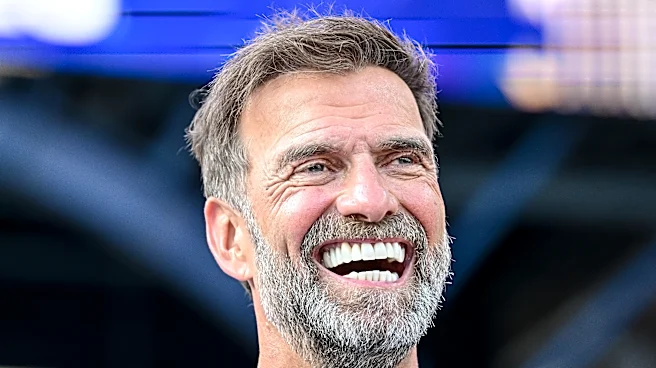
Jürgen Klopp is on the verge of becoming the head coach of the German national soccer team after reaching an agreement in principle with the German Football Association (DFB). The former Liverpool manager has been the top candidate to lead the team following
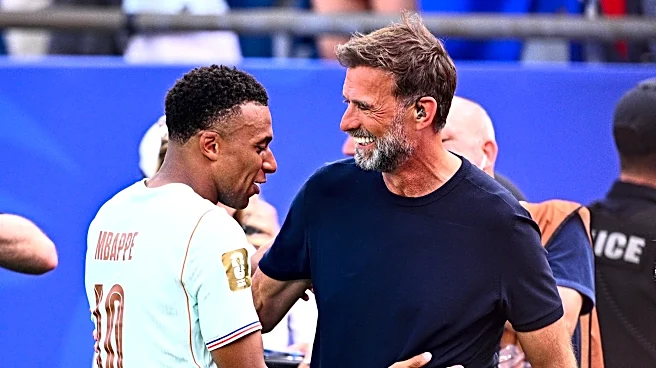
a disappointing World Cup campaign under Julian Nagelsmann. The DFB's pursuit of Klopp reached a decisive point after high-level discussions in New York, where DFB president Bernd Neuendorf and vice-president Hans-Joachim Watzke met with Klopp to finalize the primary terms of the deal. The proposed contract is expected to run through the 2030 World Cup, providing the stability the team has sought after recent tournament disappointments. However, Klopp's current role as Head of Global Soccer for the Red Bull group presents a final hurdle. Discussions are scheduled to resolve this, with a potential arrangement allowing Klopp to continue as a Red Bull brand ambassador while serving as Germany's head coach.
Why It's Important?
This development is significant for the German national team, which has struggled to replicate its past successes, including the 2014 World Cup triumph. Securing Klopp, known for his high-intensity playing style and successful tenure at Liverpool, represents a major statement of intent by the DFB. The long-term commitment through 2030 indicates the federation's confidence in Klopp to build a sustainable and competitive team. The potential appointment also highlights the DFB's strategic move to revitalize the team with a fresh tactical direction, which could enhance Germany's performance on the international stage. Additionally, the creative solution to Klopp's Red Bull contract underscores the importance of his leadership to both the DFB and Red Bull, reflecting the broader impact of high-profile coaching appointments in international soccer.
What's Next?
The DFB plans to announce the agreement once the final paperwork with Red Bull is signed. Klopp is expected to overhaul the existing coaching setup, bringing in trusted lieutenants like Peter Krawietz and Pepijn Lijnders, who were instrumental during his time at Liverpool. This change aims to implement Klopp's philosophy immediately, signaling a shift in the tactical approach of the German national team. The DFB's structure, with Rudi Voller as sporting director, is designed to support this transition and compete for major honors. The resolution of Klopp's contract with Red Bull will be a critical next step, potentially setting a precedent for future coaching arrangements involving dual roles.