







What's Happening?
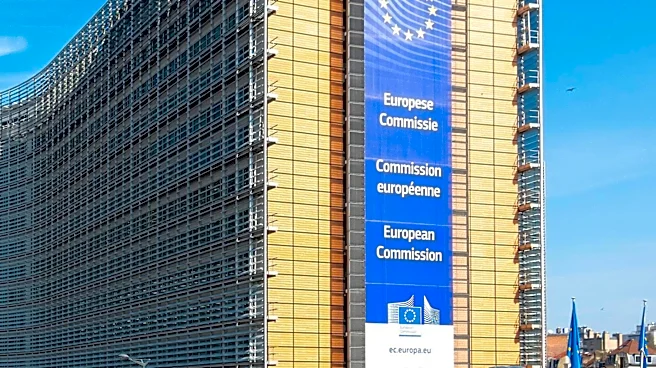
The European Commission has imposed a €40 million fine on Kingspan, a Cavan-based building-materials group, for supplying 'incorrect and misleading information' during a 2021 review of a proposed acquisition. Kingspan had planned to acquire Trimo, a company
also involved in the market for mineral fiber sandwich panels. The Commission initiated a probe in late 2022 to determine if Kingspan had intentionally or negligently provided false information. The investigation identified four distinct infringements of EU merger rules, including misleading information about tracking penetration rates for mineral fiber sandwich panels, incorrect data on 'bidding data' availability, inaccurate details regarding Kingspan board members' involvement in the Trimo deal and other strategic plans, and false information concerning research and development in mineral fiber sandwich panels. Commissioner Teresa Ribera emphasized that accurate information is crucial for an effective merger-control system, stating that companies undermining this system through withholding or distorting truth compromise fair competition. Kingspan has announced its intention to appeal the decision in full.
Why It's Important?
This significant fine underscores the European Union's commitment to maintaining fair competition and the integrity of its merger review processes. The Commission's strong stance, as articulated by Commissioner Teresa Ribera, sends a clear message to companies operating within the EU that transparency and accuracy in providing information during merger investigations are non-negotiable. For U.S. companies with European operations or those considering mergers and acquisitions in the EU, this case highlights the stringent regulatory environment and the severe penalties for non-compliance. It emphasizes the need for meticulous due diligence and honest disclosure to avoid substantial financial repercussions and reputational damage. The ruling reinforces the principle that regulatory bodies will actively pursue and penalize actions that obstruct their ability to properly assess market competition, thereby protecting consumers and ensuring a level playing field for all businesses.
What's Next?
Kingspan plans to appeal the European Commission's decision in full, which will likely lead to a prolonged legal battle. The appeal process will involve further scrutiny of the evidence and the Commission's findings, potentially setting precedents for future merger investigations and the interpretation of EU merger regulations. This case may prompt other companies to review their internal compliance procedures for providing information to regulatory bodies, especially concerning merger and acquisition activities. The Commission, on its part, is expected to continue its rigorous enforcement of merger rules, potentially increasing its focus on the accuracy and completeness of information submitted by companies. The outcome of Kingspan's appeal will be closely watched by legal and business communities across Europe and internationally, as it could influence how companies approach regulatory disclosures in complex transactions.
Beyond the Headlines
The Kingspan fine extends beyond a simple regulatory penalty; it touches upon the ethical responsibilities of corporations in their dealings with regulatory bodies. The Commission's finding that Kingspan 'asserted the non-existence of key documents, misrepresented facts, or claimed the impossibility to provide key information' suggests a deliberate attempt to mislead, rather than mere oversight. This raises questions about corporate governance and the culture within companies regarding compliance and transparency. The case also highlights the power dynamics between multinational corporations and regulatory authorities, demonstrating the EU's resolve to assert its authority in maintaining market integrity. The long-term implications could include a heightened sense of caution among companies when engaging in M&A activities within the EU, leading to more robust internal checks and balances to ensure full and accurate disclosure, ultimately fostering a more transparent and trustworthy business environment.