






What's Happening?
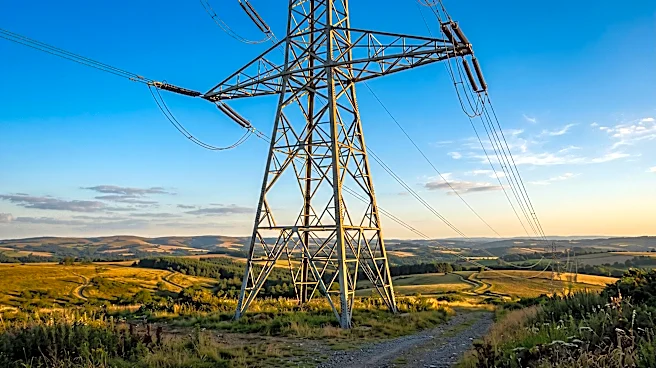
OpenAI Group PBC has reiterated its commitment to fully cover the electricity and grid upgrade costs for its data centers, a pledge initially made in January. This includes expenses for new overhead power lines. The company also promised to provide financial
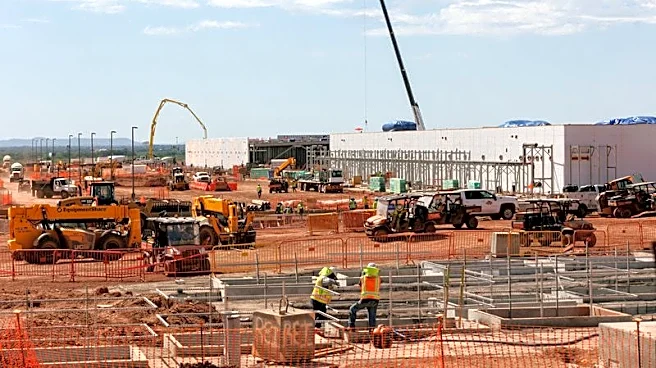
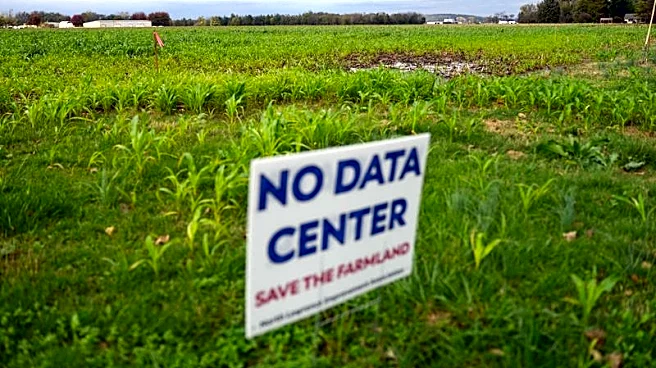
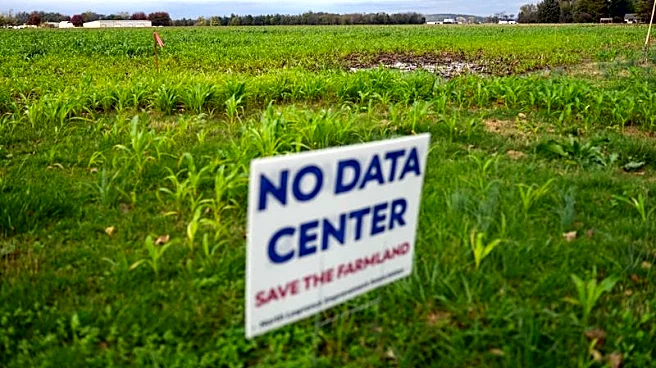
assurances to protect other grid users from potential project cancellations and delays. Furthermore, OpenAI plans to implement a flexible data center model, scaling back power draw during peak energy demand to reduce grid strain. This approach has also garnered interest from other industry players like Nvidia Corp. and Google LLC. These commitments come two days after Democrats secured control of both the House and the Senate, campaigning on data center construction curbs, and voters approved numerous ballot measures to limit AI infrastructure projects. OpenAI intends to tailor these commitments to each data center, publishing customized project terms in a 'local compact' and providing annual updates with a designated local contact for residents' questions.
Why It's Important?
OpenAI's proactive measures to cover data center costs and reduce grid strain are significant for several reasons. By fully funding electricity and grid upgrades, the company aims to mitigate the financial burden on local communities and existing grid users, addressing a key concern often raised by residents and policymakers regarding large-scale data center developments. The flexible data center model, which involves reducing power consumption during peak demand, could serve as a blueprint for sustainable energy management in the rapidly expanding AI industry, potentially influencing other tech giants. The timing of these commitments, following a shift in the legislative landscape with Democrats gaining control of Congress and voters approving AI infrastructure limits, suggests a strategic move by OpenAI to align with evolving public and political sentiment. This could set a precedent for how AI companies engage with local communities and regulatory bodies, potentially shaping future policy and industry standards for data center development and energy consumption.
What's Next?
OpenAI hopes to codify some of its best practices into law. The company has released a policy paper advocating for lawmakers to limit the use of non-disclosure agreements (NDAs) by data center developers and to mandate that these developers cover their electricity costs. Additionally, OpenAI suggests offering incentives to AI companies that reduce their power usage during peak grid stress. The recent electoral outcomes, with Democrats winning both the House and Senate on platforms supporting data center construction curbs and voters approving measures to limit AI infrastructure projects, indicate a receptive environment for such policy changes. It is likely that OpenAI will actively engage with the newly constituted Congress and local governments to push for the adoption of these recommendations, potentially influencing future legislation and regulatory frameworks governing AI data center development and operation across the U.S.
Beyond the Headlines
The deeper implications of OpenAI's actions extend to the broader ethical and societal responsibilities of large technology companies. By voluntarily committing to cover infrastructure costs and proposing policy recommendations, OpenAI is attempting to position itself as a responsible corporate citizen in the face of growing public scrutiny over the environmental and social impact of AI development. This move could set a new standard for corporate accountability in the tech sector, particularly concerning energy consumption and community engagement. It also highlights the increasing intersection of technological advancement, environmental sustainability, and political governance. The push for legislative changes, such as limiting NDAs and incentivizing energy efficiency, could lead to a more transparent and equitable development of AI infrastructure, potentially fostering greater public trust and mitigating potential conflicts between tech companies and local communities in the long term.