




What's Happening?
All Business Systems is emphasizing the specific furniture requirements for veteran-owned businesses and veteran service organizations (VSOs) in the Washington D.C. metropolitan area. These organizations, ranging from service-disabled veteran-owned small
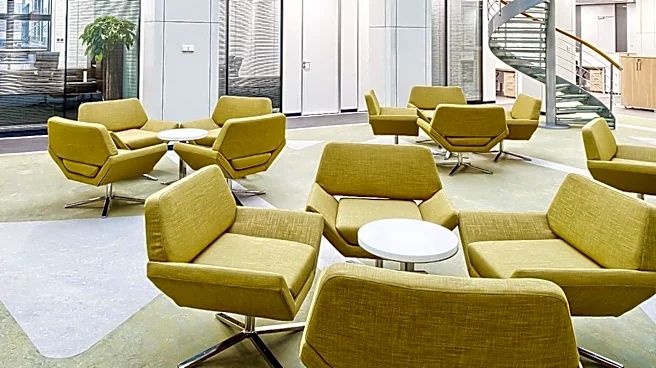
businesses (SDVOSBs) to nonprofits assisting veterans, have distinct needs that influence office furnishing. For veteran-owned contractors, furniture must be scalable to accommodate rapid headcount changes due to contract awards, favoring modular workstation systems, benching, and mobile storage. Conference rooms require proper seating, cable management, and presentation-ready tables for audits and client visits, along with lockable storage for sensitive documents. VSOs, which often deal with individuals in sensitive situations, need furniture that promotes comfort and privacy, such as bariatric-rated chairs, accessible seating for those with mobility aids, and intake spaces with acoustic pods or round tables to foster less adversarial interactions. Multipurpose rooms are also crucial for VSOs, needing flexible furniture like flip-top training tables and nesting chairs to quickly reconfigure spaces for various events like job fairs, support groups, and workshops.
Why It's Important?
The focus on specialized furnishing for veteran organizations and businesses in the DC Metro area underscores the unique operational and client-facing demands of these entities. For veteran-owned contractors, the ability to rapidly scale office infrastructure without extensive renovation is critical for maintaining competitiveness and fulfilling government contracts efficiently. This directly impacts their business continuity and financial stability. For VSOs, appropriate furniture and office design are not merely aesthetic but functional necessities that directly affect the well-being and privacy of the veterans they serve. Creating accessible, comfortable, and confidential environments can significantly improve the effectiveness of support services, fostering trust and facilitating better outcomes for veterans seeking assistance. The emphasis on multipurpose rooms also highlights the need for operational flexibility, allowing these organizations to maximize their physical spaces for diverse programs and events, thereby optimizing resource utilization and outreach efforts.
What's Next?
All Business Systems is actively offering space planning and quotes to veteran-owned contractors and veteran service organizations in Northern Virginia, Maryland, and the District. This initiative suggests a continued push to equip these organizations with tailored furniture solutions. The ongoing need for scalable and adaptable office environments for contractors, coupled with the demand for comfortable and private spaces for VSOs, indicates a sustained market for specialized office furnishings. As these organizations continue to grow and evolve, the demand for furniture that supports their unique operational models and client needs is expected to persist. Businesses in the furnishing sector that can provide flexible, accessible, and secure solutions will likely see increased engagement from this specific market segment.
Beyond the Headlines
The detailed consideration of furniture for veteran organizations reflects a broader understanding of how physical environments impact productivity, well-being, and service delivery. Beyond mere aesthetics, the design choices for these spaces carry significant ethical and practical implications. For veteran-owned businesses, an office that can adapt to fluctuating contract demands supports economic resilience and growth within the veteran community. For VSOs, creating a welcoming and private atmosphere is fundamental to respecting the dignity of veterans and encouraging them to seek necessary support. This approach highlights a shift towards human-centered design in commercial and non-profit spaces, recognizing that the physical setting can profoundly influence psychological comfort, operational efficiency, and the overall success of an organization's mission. It also subtly points to the importance of local suppliers who understand the specific needs and procurement processes of government contractors and non-profits.