



What's Happening?
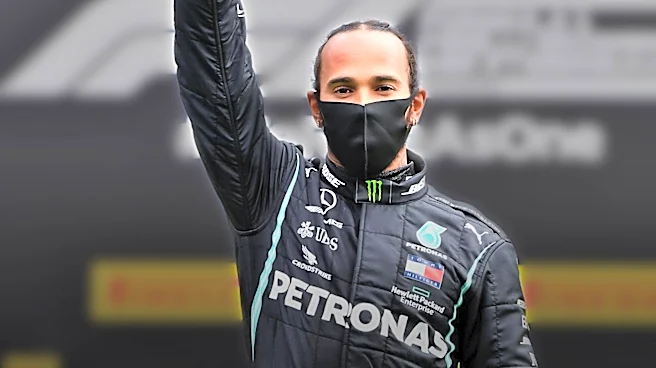
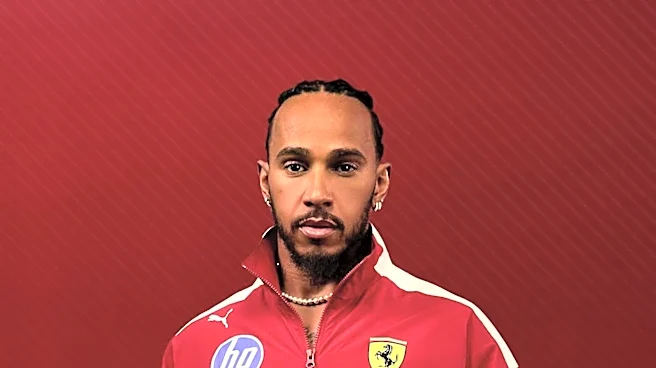
Red Bull driver Isack Hadjar has publicly defended Ferrari's seven-time Formula 1 world champion Lewis Hamilton, asserting that exceptional talent can always make an immediate impact in the sport, regardless of the car generation. Hadjar's comments address
the ongoing discussion about whether modern F1 rookies have an easier time adapting compared to previous generations. He cited Hamilton's extraordinary 2007 debut season as a prime example, where Hamilton, as a rookie, challenged established champions and finished on the podium in his first nine races, ultimately contending for the Drivers’ World Championship until the final race. Hadjar emphasized that while young drivers today benefit from more sophisticated preparation in junior categories, this does not diminish the achievements of past talents or inherently make the sport easier. He highlighted that the ability of outstanding drivers to quickly reach a high level has been a consistent factor throughout F1 history, linking Hamilton's early success to that of Fernando Alonso and recent champion Kimi Antonelli.
Why It's Important?
This discussion is important as it touches upon the fundamental nature of talent versus technological advantage in elite sports like Formula 1. Hadjar's perspective challenges the narrative that modern F1 cars or advanced junior category training inherently simplify the path to success, thereby validating the enduring significance of individual driver skill and adaptability. For the sport, it reinforces the idea that true champions transcend generational differences in machinery and regulations. For aspiring drivers, it underscores that while preparation is crucial, innate ability and rapid adaptation remain paramount. This debate also influences how past and present F1 achievements are viewed, ensuring that the historical accomplishments of drivers like Lewis Hamilton are not devalued by contemporary advancements. The emphasis on individual talent also has implications for team strategies, suggesting that investing in truly exceptional drivers may yield greater returns than solely focusing on technological superiority or extensive junior development programs.
What's Next?
The debate surrounding the impact of car generations and driver talent in Formula 1 is likely to continue, especially with new technical regulations introduced for the 2026 season. These regulations, which emphasize electrical energy management and aerodynamic changes, present fresh challenges for both established drivers and newcomers. As drivers adapt to these new demands, their performance will further inform this discussion. The success of young talents like Kimi Antonelli, who became a world champion at 20, will continue to be scrutinized as examples of rapid adaptation. Future seasons will provide more data points to assess whether the current environment truly fosters quicker integration for rookies or if exceptional individual ability remains the overriding factor for immediate success, as Isack Hadjar suggests. This ongoing evaluation will influence driver development programs and team recruitment strategies.
Beyond the Headlines
Beyond the immediate discussion of driver adaptation, Hadjar's comments highlight a broader philosophical question about the role of human skill versus technological progress in competitive fields. In an era where technology often dominates headlines, his argument champions the timeless value of individual excellence and the capacity for human ingenuity to overcome evolving challenges. This perspective can resonate beyond sports, touching on debates in various industries about the balance between advanced tools and inherent human talent. Ethically, it prompts reflection on how we assess and celebrate achievements, ensuring that the context of an era does not overshadow the extraordinary efforts of individuals. Culturally, it reinforces the narrative of the 'natural talent' who can succeed against all odds, a powerful and enduring archetype in sports and beyond, fostering inspiration and maintaining a focus on the human element at the core of high-performance endeavors.