
What's Happening?
Core Home Fitness has outlined practical strategies for establishing a functional home gym in spaces as small as 50 square feet. The company emphasizes selecting multi-functional and storable equipment
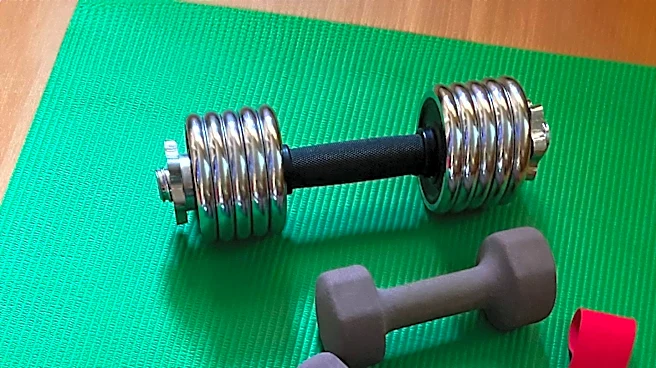
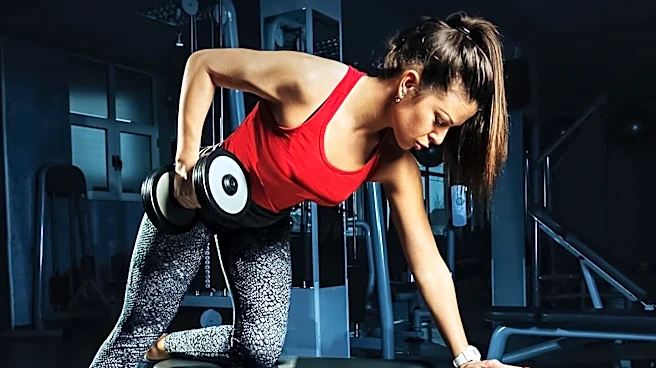
to maximize limited areas. Key recommendations include adjustable dumbbells, which can replace an entire weight rack, and foldable, adjustable weight benches like the FAB100, which can be stored in just over 2 square feet. Additionally, a yoga mat is suggested for comfort and easy storage. The guidance addresses common concerns for individuals in smaller homes, such as apartments, shared offices, or garages, by focusing on equipment that minimizes footprint and can be easily put away when not in use. The company highlights that a complete strength setup can be achieved with these core items, allowing for a comprehensive workout without requiring a dedicated room.
Why It's Important?
This guidance from Core Home Fitness is important for a growing segment of the U.S. population living in urban areas or smaller residences where dedicated gym space is a luxury. The emphasis on compact, multi-functional equipment makes fitness more accessible and sustainable for individuals who might otherwise forgo a home workout routine due to space constraints. By demonstrating that a full strength program can be maintained in under 50 square feet, the company helps democratize home fitness, potentially reducing reliance on commercial gyms and their associated costs and travel times. This shift could lead to improved public health outcomes as more people find practical ways to integrate exercise into their daily lives, fostering a more active lifestyle across various demographics.
What's Next?
As the trend towards home-based activities continues, driven by factors such as convenience and cost-effectiveness, more fitness equipment manufacturers are likely to innovate in the compact and multi-functional product categories. Consumers can expect to see further advancements in design that prioritize space-saving features without compromising workout effectiveness. The market may also see an increase in integrated fitness solutions that combine multiple exercise modalities into single, storable units. Additionally, there could be a rise in digital platforms offering tailored workout programs specifically designed for small-space home gyms, further enhancing the utility and appeal of these setups. This focus on efficient, accessible home fitness is poised to become a lasting fixture in the wellness industry.
Beyond the Headlines
The shift towards small-space home gyms reflects broader societal trends, including urbanization and a greater emphasis on personal well-being and convenience. This movement challenges traditional notions of fitness, demonstrating that effective physical activity does not require extensive space or specialized facilities. It also highlights an ethical dimension concerning accessibility: by making fitness equipment more compact and affordable, companies like Core Home Fitness contribute to reducing barriers to exercise, potentially benefiting individuals with limited resources or mobility. This trend could also foster a more mindful approach to consumption, encouraging individuals to invest in versatile, durable equipment rather than accumulating single-purpose items, aligning with principles of minimalism and sustainability in personal health.