
What's Happening?
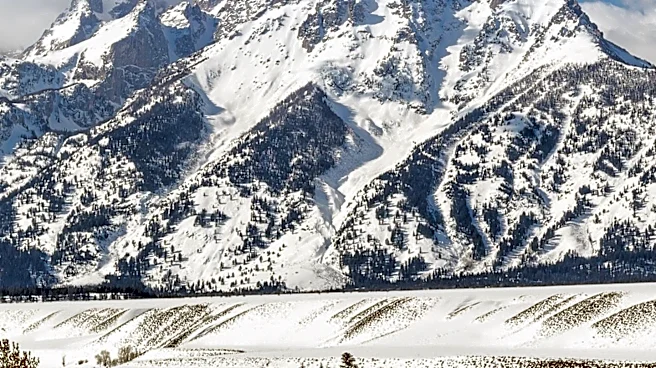
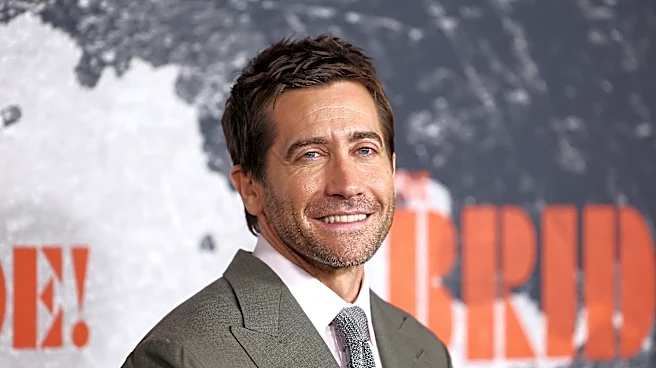
The filming of Ang Lee's landmark film 'Brokeback Mountain' in 2005 involved an arduous four-month shoot across the wilderness of Wyoming and Alberta. Actor Jake Gyllenhaal, who portrayed Jack Twist, faced
significant physical and emotional demands for the role. He immersed himself in the character's physicality, learning to ride with a lopsided gait and adopting the weary posture of a cowboy. Gyllenhaal's commitment extended to enduring the same punishing conditions as the crew, highlighting the production's dedication to authenticity. The film's intimate scenes between Gyllenhaal and Heath Ledger were meticulously planned and often shot with minimal crew to ensure privacy and comfort, with directors prioritizing the actors' emotional safety. The production aimed to treat the central relationship with dignity, focusing on the 'love story, the epic tragedy.'
Why It's Important?
The detailed account of 'Brokeback Mountain's' production underscores the significant challenges and dedication involved in creating critically acclaimed cinema, particularly when dealing with sensitive subject matter and demanding locations. The commitment of actors like Jake Gyllenhaal to fully embody their roles, even under grueling conditions, is crucial for the authenticity and emotional depth that resonates with audiences. This approach to filmmaking, prioritizing realism and actor well-being in intimate scenes, sets a standard for how complex narratives can be handled respectfully. The film's success, despite its challenging production, demonstrates the impact of artistic integrity and the willingness to invest in difficult shoots to achieve a powerful cinematic experience, influencing future productions in their approach to authenticity and actor performance.
What's Next?
While the film was released in 2005, the insights into its production continue to inform discussions about method acting, on-location filming challenges, and the handling of sensitive themes in cinema. The legacy of 'Brokeback Mountain' as a cinematic touchstone means that its production stories will likely remain a point of reference for film studies and industry professionals. Future projects tackling similar themes or requiring extensive on-location shoots may draw lessons from the logistical and emotional considerations that went into making this film. The emphasis on actor comfort and privacy during intimate scenes, as highlighted in this production, could also continue to shape best practices in the industry.
Beyond the Headlines
The production of 'Brokeback Mountain' offers a deeper look into the ethical and artistic considerations of filmmaking. The deliberate choice to film in challenging natural environments, rather than relying on digital effects, speaks to a philosophy of authenticity that can profoundly impact a film's aesthetic and emotional resonance. The meticulous planning for intimate scenes and the prioritization of actors' emotional safety highlight a crucial aspect of responsible filmmaking, especially when dealing with potentially vulnerable performances. This approach contributes to a broader conversation about the responsibilities of filmmakers towards their cast and the integrity of the story they are telling, moving beyond mere technical execution to encompass the human element of creation.