




What's Happening?
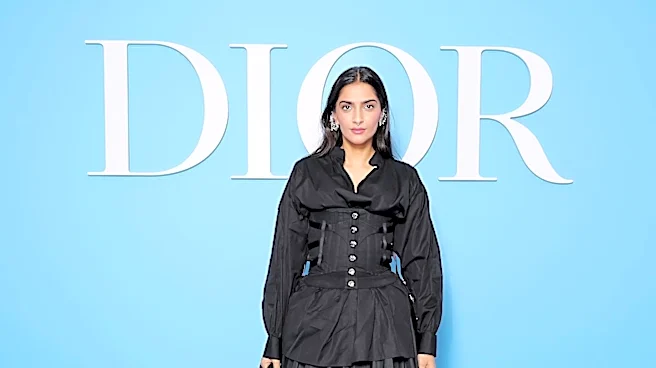
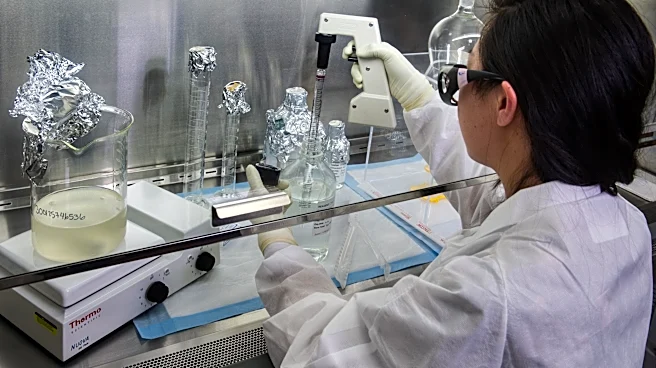
LVMH, under the leadership of Chairman Bernard Arnault, is actively involved in the burgeoning longevity industry through its subsidiary, Dior. Dior is conducting research into the biological causes of skin aging, having established a scientific advisory
board of leading aging researchers in 2023. Their work focuses on advanced techniques such as stem cells and epigenetics to understand and combat skin aging. This initiative is part of a broader trend where prominent business leaders and global companies are investing significantly in aging research. The global longevity market is projected to grow from $34.57 billion this year to $66.4 billion by 2035, according to market research firm Market Research Future. This growth is driven by a shift in focus from traditional anti-aging, which primarily addressed appearance, to extending healthy life spans by preventing disease and maintaining physical function.
Why It's Important?
The involvement of a major luxury brand like Dior, part of LVMH, in longevity research signifies a significant convergence of the beauty, healthcare, and biotechnology sectors. This trend has substantial implications for U.S. consumers and industries. For consumers, it promises advanced products and treatments that go beyond superficial anti-aging, aiming for deeper biological improvements in health and vitality. For the U.S. biotechnology and pharmaceutical industries, it represents a new frontier for investment, research, and development, potentially leading to breakthroughs in cellular aging, regenerative medicine, and disease prevention. The influx of capital from luxury conglomerates and tech billionaires like Jeff Bezos and Sam Altman into this field could accelerate scientific discovery and bring innovative solutions to market faster, impacting healthcare costs and quality of life.
What's Next?
The longevity industry is expected to see continued growth and innovation, with research expanding into areas like restoring cellular function, treating metabolic diseases, and repairing damaged tissues. Clinical trials for drugs designed to restore aging cell function, such as Life Biosciences' ER-100, are already underway, with promising early results. Companies like NewLimit are also developing drugs to restore the function of aging liver cells, with human trials anticipated next year. The focus will likely intensify on understanding and manipulating cellular mechanisms, including mitochondria and epigenetics. This will lead to a new generation of products and therapies, from advanced cosmetics and dietary supplements to groundbreaking medical treatments, all aimed at extending healthy human life.
Beyond the Headlines
The pivot towards 'longevity' rather than mere 'anti-aging' reflects a profound societal shift in how aging is perceived and addressed. It moves beyond cosmetic concerns to a more holistic view of health and well-being, aiming to maintain physical and cognitive function throughout life. This shift raises ethical considerations regarding access to these advanced technologies and potential disparities in healthy life spans. It also challenges traditional medical paradigms, pushing for preventative and regenerative approaches over reactive treatments. The involvement of luxury brands like Dior could also normalize and popularize these advanced scientific concepts, making them more accessible and desirable to a broader consumer base, thereby accelerating the integration of longevity science into everyday life and healthcare.