


What's Happening?
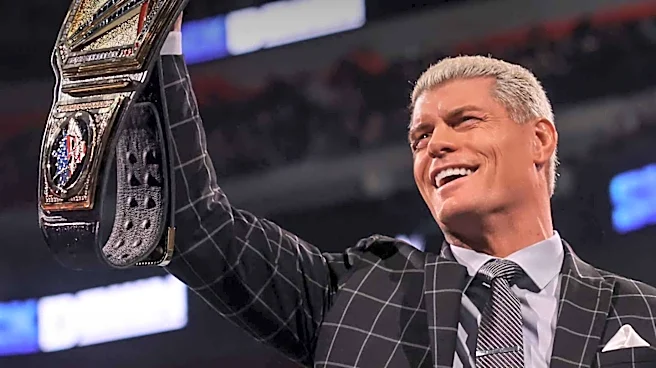
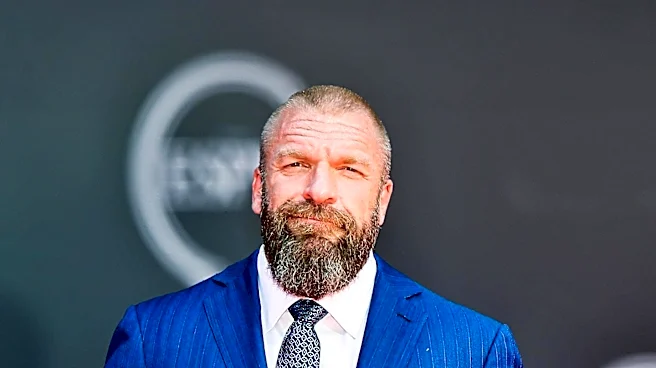
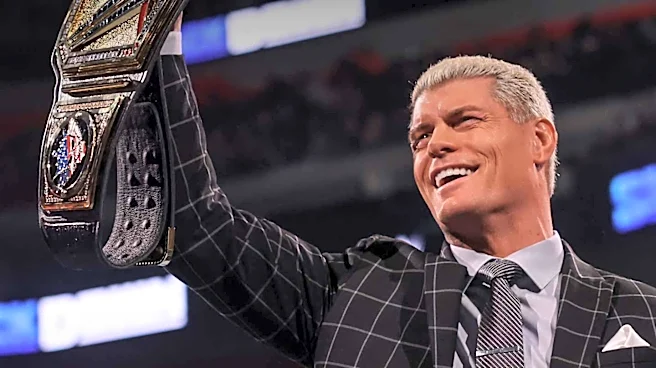
Cody Rhodes, a prominent figure in WWE, has indicated that the decision regarding a potential 'heel turn' (transitioning to a villainous character) ultimately lies with Paul 'Triple H' Levesque, WWE's Chief Content Officer. Rhodes, who has been a top
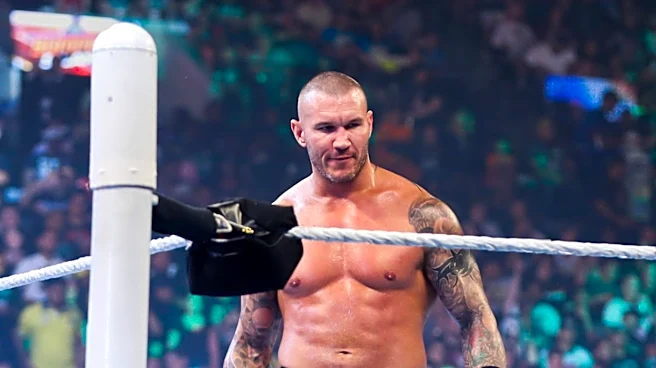
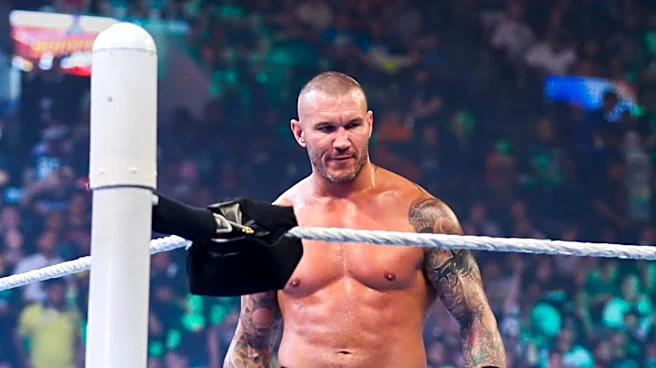
'babyface' (heroic character) since his return at WrestleMania 38, has held multiple World Titles. He recently captained Team USA against WWE Hall of Famer Rey Mysterio’s Team Mexico at Survivor Series and defeated Randy Orton in a Last Man Standing match at Crown Jewel. Despite attempting to elicit boos from the crowd by stating he 'loved punting Randy Orton,' fans continued to cheer him. Rhodes discussed the idea of aligning with Paul Heyman, noting Heyman's historical connection with his father, Dusty Rhodes. He expressed openness to the shift if it benefits WWE, suggesting that a heel version of himself might differ from fan expectations and could lead to more 'outrage' and 'cancellations' in the current climate. The creative direction for such a significant character change is under Levesque's purview.
Why It's Important?
This development is significant for WWE's creative direction and its impact on fan engagement and character development. Cody Rhodes is a top-tier talent, and a heel turn could dramatically alter the landscape of WWE programming. For WWE, such a move represents a strategic decision to potentially refresh a character and generate new storylines, which can drive viewership and merchandise sales. The company's willingness to consider a heel turn for a popular babyface demonstrates a focus on evolving narratives rather than strictly adhering to established fan favorites. The discussion also highlights the influence of Paul 'Triple H' Levesque in shaping the creative future of WWE, underscoring his role in major character decisions. The potential for 'outrage' and 'cancellations' mentioned by Rhodes reflects the evolving nature of fan interaction and the impact of social media on wrestling narratives, where character choices can spark widespread debate and strong reactions, influencing the company's public image and audience perception.
What's Next?
The immediate next step involves Paul 'Triple H' Levesque and the WWE creative team evaluating the feasibility and timing of a Cody Rhodes heel turn. Rhodes has stated his openness to the idea, indicating that if 'it’s time, we won’t miss that opportunity.' This suggests that the decision is not a matter of if, but when, or if ever, the creative team deems it strategically beneficial. Fans will be closely watching Rhodes's character development in upcoming WWE programming, particularly his interactions with other wrestlers and his reception from the audience. Any subtle shifts in his demeanor or alliances could signal a move towards a heel persona. The company will likely monitor fan reactions to current storylines and potential teasers to gauge the optimal moment for such a significant character change. The outcome will influence future storylines, championship pursuits, and the overall dynamic of WWE's main event scene.
Beyond the Headlines
Beyond the immediate creative implications, a potential heel turn for Cody Rhodes touches upon broader themes within professional wrestling, such as the dynamic between performer and audience, and the art of character reinvention. Rhodes's comment about fans cheering despite his attempts to elicit boos highlights the challenge of manipulating audience perception in an era where fans are often 'smarter' to wrestling tropes. This situation also underscores the power of a performer's connection with the audience, where genuine admiration can override attempts at villainy. Furthermore, the discussion about 'outrage' and 'cancellations' reflects the increasing sensitivity and vocal nature of modern fan bases, particularly on social media. WWE, under Levesque's creative leadership, must navigate these complexities, balancing traditional storytelling with contemporary audience expectations. A successful heel turn could be a masterclass in character evolution, while a misstep could alienate a significant portion of the fanbase, demonstrating the high stakes involved in such creative decisions.