





What's Happening?
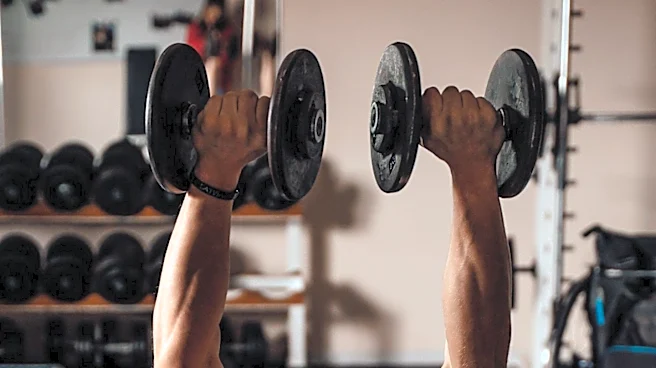
Robbie Wild Hudson has outlined three key beginner chest exercises aimed at developing stronger and more muscular upper pecs. These exercises include the low incline dumbbell press, the low to high cable fly, and the incline pushup. Hudson emphasizes
that building a fuller upper chest involves consistent progressive training rather than relying on a single 'magical angle.' The low incline dumbbell press is presented as the primary exercise, offering a stable base and independent arm work, allowing for gradual progression. The low to high cable fly serves as an accessory exercise, providing consistent resistance throughout the movement and complementing pressing exercises. The incline pushup is highlighted for its scalability, making it suitable for beginners to build fundamental pressing strength and control. Hudson advises training the chest two or three times per week, starting each session with the low incline dumbbell press, followed by cable flies and incline pushups to add controlled volume. The article also touches on the importance of proper nutrition and consistent tracking of progress.
Why It's Important?
This guidance from Robbie Wild Hudson is important for individuals in the U.S. fitness community, particularly beginners, seeking effective and safe methods for upper chest development. The emphasis on foundational exercises and progressive overload provides a structured approach that can help reduce injuries often associated with improper form or overly ambitious training routines. By focusing on stability, comfort, and gradual progression, the recommendations can lead to more sustainable fitness habits and long-term muscle growth. This approach can also influence the offerings of gyms and personal trainers, encouraging them to prioritize these fundamental exercises in their programs. For the broader health and wellness industry, promoting accessible and effective workout routines can contribute to a more physically active population, potentially reducing healthcare costs associated with sedentary lifestyles. The advice on nutrition further underscores the holistic nature of fitness, impacting dietary supplement markets and healthy eating trends.
What's Next?
Individuals interested in upper chest development are likely to incorporate these exercises into their workout routines. Fitness instructors and personal trainers may adopt these recommendations, integrating them into their client programs and beginner-focused classes. The fitness equipment market could see increased demand for adjustable benches and dumbbells, as these are central to the suggested exercises. Online fitness platforms and content creators may produce more tutorials and guides based on Hudson's advice, further disseminating these techniques. Over time, consistent application of these principles by a wider audience could lead to a noticeable improvement in overall fitness levels and a better understanding of effective strength training methodologies among beginners. The focus on progressive overload also implies a continuous need for individuals to assess and adjust their training, fostering a more informed and self-directed approach to fitness.
Beyond the Headlines
Beyond the immediate impact on workout routines, Hudson's article subtly addresses the broader challenge of misinformation in the fitness industry. By debunking the idea of a 'magical angle' or quick fixes, it promotes a more scientific and patient approach to muscle building. This perspective can help cultivate a more realistic understanding of fitness, moving away from sensationalized claims and towards evidence-based practices. Ethically, this promotes responsible fitness guidance, empowering individuals with knowledge that prioritizes long-term health over short-term, potentially harmful, results. Culturally, it reinforces the value of consistency and discipline in achieving physical goals, a principle applicable to various aspects of life. The emphasis on proper form and gradual progression also highlights the importance of injury prevention, a critical concern in sports and fitness, potentially influencing product design for safer exercise equipment and the development of more comprehensive training certifications.