






What's Happening?
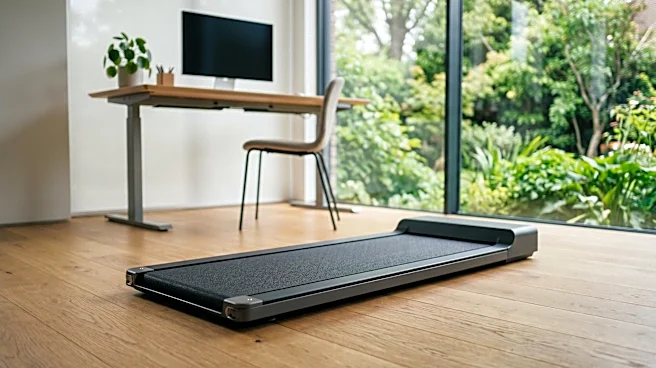
UCLA Health highlights the growing popularity and benefits of walking pads, portable treadmills designed for low-to-moderate speed walking, often used in conjunction with standing desks. These devices offer a convenient way to integrate physical activity
into daily routines, particularly for individuals with sedentary jobs. According to UCLA Health, walking pads provide numerous health advantages, including improved cognition and mental health, assistance with weight management, enhanced heart health and circulation, better posture and balance, reduced joint pain, and stronger bones. Research also suggests that walking while working can lead to better focus, increased energy, reduced stress, greater task satisfaction, and increased positivity compared to sitting or standing. While walking pads are lighter and more portable than traditional treadmills, they are specifically designed for speeds between 0.5 to 4 mph, making them suitable for working while moving. However, UCLA Health advises limiting walking sessions to two to four hours daily to prevent fatigue and back strain.
Why It's Important?
The integration of walking pads into the workplace signifies a shift towards more active and health-conscious work environments, potentially impacting employee well-being and productivity across various U.S. industries. By enabling individuals to walk while performing desk-bound tasks, these devices address the health risks associated with prolonged sitting, such as an increased risk of type 2 diabetes. The benefits extend beyond physical health, contributing to improved mental well-being and cognitive function, which can translate into enhanced job performance and reduced absenteeism. Companies that encourage or provide walking pads may see a more engaged and healthier workforce. However, the cost of these devices and the need for compatible desk setups could create accessibility barriers for some individuals or smaller businesses. The emphasis on incorporating movement throughout the day rather than just during dedicated exercise periods could lead to broader public health initiatives promoting active lifestyles.
What's Next?
As awareness of the benefits of walking pads grows, there may be an increased demand for ergonomic office solutions that integrate these devices. Manufacturers could focus on developing more affordable and versatile walking pad models, potentially leading to wider adoption in both home and corporate settings. Employers might explore subsidies or wellness programs that include walking pads as a perk, aiming to boost employee health and productivity. Further research is likely to emerge, providing more detailed insights into the long-term effects of walking while working on physical health, cognitive performance, and overall job satisfaction. Additionally, the market for related accessories, such as adjustable standing desks designed for walking pad use, is expected to expand. Health guidelines may also evolve to incorporate recommendations for integrating low-intensity movement throughout the workday, influencing workplace design and corporate wellness strategies.
Beyond the Headlines
The rise of walking pads reflects a broader societal trend towards integrating health and wellness into everyday activities, blurring the lines between work and exercise. This development highlights a growing recognition of the detrimental effects of sedentary lifestyles and the need for innovative solutions to combat them. Ethically, the accessibility of such tools raises questions about workplace equity, as not all employees may have the financial means or physical space to utilize walking pads. Culturally, it signifies a shift in workplace norms, where movement during work hours may become increasingly accepted and even encouraged, challenging traditional perceptions of professional conduct. Long-term, this trend could contribute to a re-evaluation of office design, promoting dynamic workspaces that prioritize employee well-being and activity, potentially leading to a more active and healthier workforce across the nation.