


What's Happening?
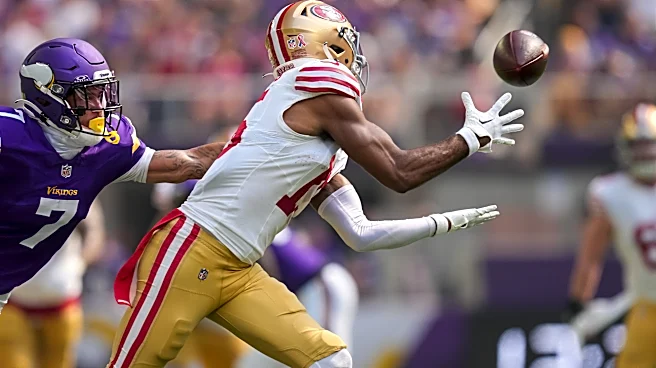
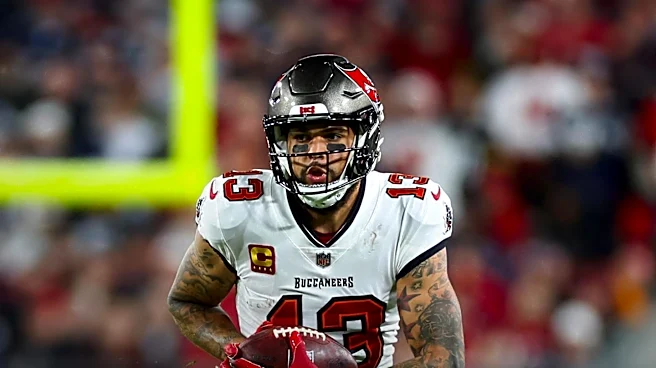
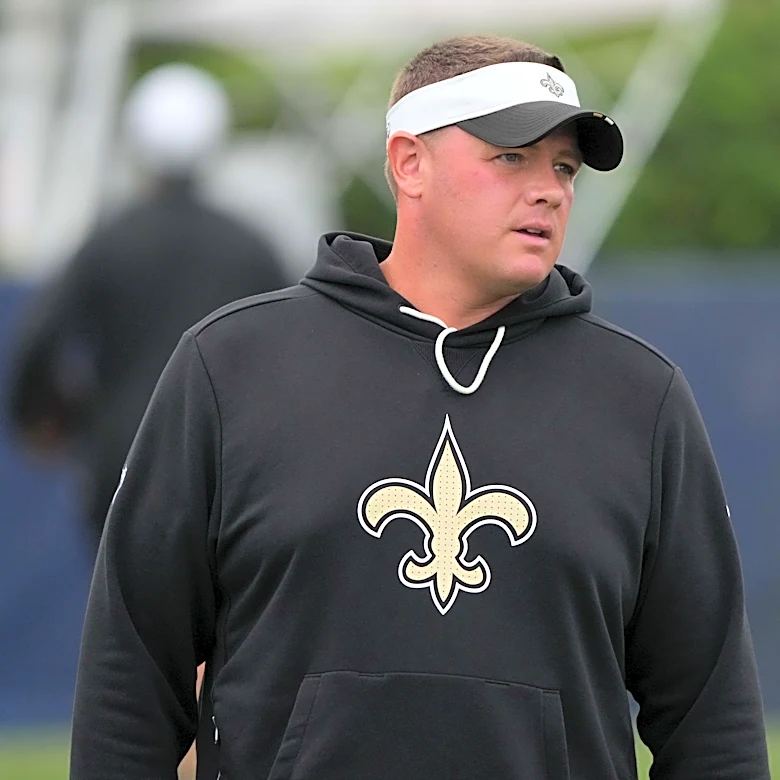
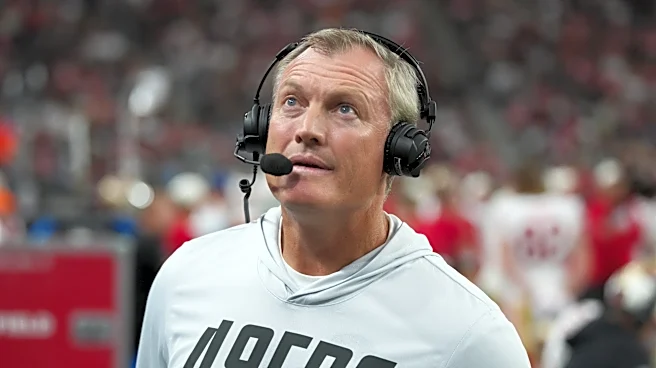
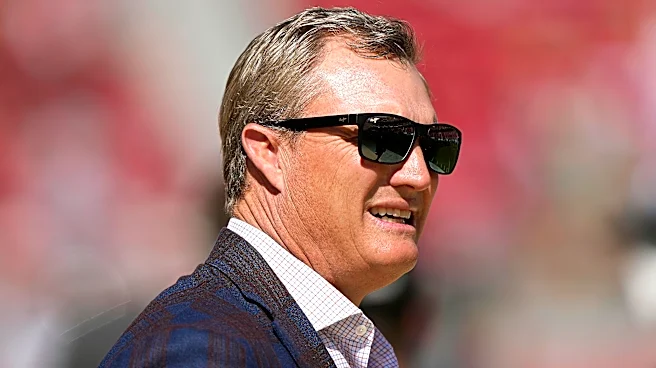
San Francisco 49ers wide receiver Mike Evans was sidelined for Sunday's game against the Falcons due to Achilles tendinitis. This new injury developed while Evans was already playing through a rib injury. According to 49ers General Manager John Lynch,
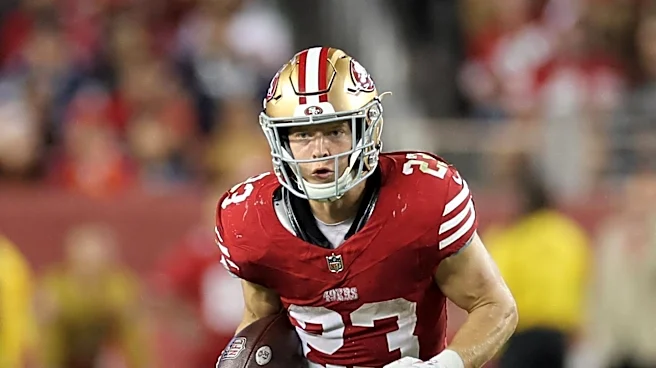
Evans is "working tirelessly" to recover. The team is currently on its off week, providing Evans with at least two weeks to address the Achilles issue. Lynch stated that Evans is a professional who dislikes missing games but understands the importance of being fully healthy before returning to play. The 49ers anticipate having a clearer understanding of Evans' readiness for Week 9 once practices resume next week. This situation echoes a previous bilateral Achilles issue experienced by running back Christian McCaffrey last year, though Evans' current condition is unilateral.
Why It's Important?
The absence of a key player like Mike Evans due to injury can significantly impact the 49ers' offensive strategy and performance. As a wide receiver, Evans plays a crucial role in the team's passing game, and his unavailability forces the coaching staff to adjust game plans and rely on other players to fill his void. For the 49ers, maintaining a healthy roster, especially for core offensive players, is vital for their competitive standing in the NFL, particularly as they approach the latter half of the season. The team's ability to manage and rehabilitate player injuries effectively can be a deciding factor in their playoff aspirations. The comparison to Christian McCaffrey's previous Achilles issue highlights the recurring challenge of managing such injuries in professional sports and the need for careful recovery protocols.
What's Next?
The 49ers will closely monitor Mike Evans' progress during their off week and into next week's practices. The primary goal is to "quiet down" the Achilles tendinitis, a process that General Manager John Lynch emphasized. The team expects to have a more definitive timeline for Evans' return to action by Week 9. His recovery will involve a dedicated plan, and his commitment to rehabilitation is expected to be high. The coaching staff will need to prepare contingency plans for upcoming games, considering the possibility of Evans' continued absence or a limited role upon his return. The focus will be on ensuring his full recovery to prevent further complications and maximize his effectiveness when he is back on the field.
Beyond the Headlines
The recurring nature of Achilles tendinitis in professional athletes, as evidenced by both Mike Evans and Christian McCaffrey, underscores the physical demands of the sport and the fine line between pushing performance and risking injury. This situation highlights the sophisticated medical and training protocols employed by NFL teams to manage and mitigate such issues. The long-term implications for players dealing with chronic tendinitis can include reduced performance, increased susceptibility to other injuries, and potentially shorter careers. For teams, investing in advanced sports medicine and rehabilitation is not just about player welfare but also a strategic imperative to protect valuable assets and maintain competitive advantage. The careful management of these injuries reflects a broader trend in professional sports towards prioritizing athlete longevity and health.