
What's Happening?
NASCAR fans are voicing significant dissatisfaction following a challenging 2026 season marked by declining viewership and perceived issues with the sport's direction. The Cup Series championship race
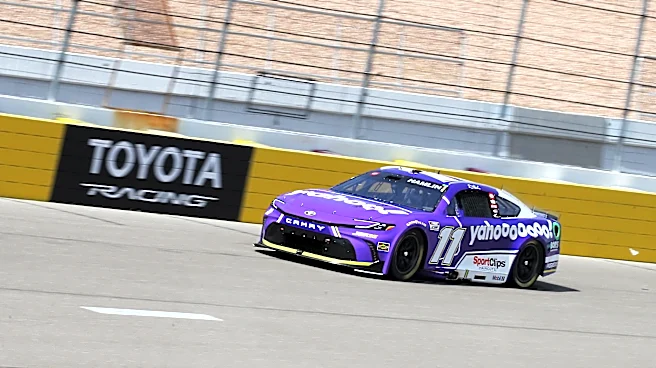
at Homestead garnered only 2.4 million viewers, contributing to an overall 2% drop in viewership for the season. Ratings for the 10-race 'Chase' playoff format were also described as poor. Fans have flooded various platforms with complaints, highlighting several key areas of concern. These include the 'stupid stages' in races, which many believe disrupt natural racing flow and award 'participation points.' Another major point of contention is the 'Gen cars,' with fans lamenting that the current vehicles are too far removed from production models and lack the horsepower of previous eras. Additionally, fans are frustrated with the difficulty of finding races on television due to fragmented broadcast schedules and a perceived lack of significant promotional presence for the sport.
Why It's Important?
The widespread discontent among NASCAR's fanbase is critical because it directly impacts the sport's long-term sustainability and appeal. Fan engagement is the lifeblood of any sport, influencing everything from sponsorship deals and merchandise sales to media rights values. When a significant portion of the audience feels alienated by changes to the racing format, car specifications, or broadcast accessibility, it signals a fundamental disconnect between the sport's leadership and its core supporters. The complaints about 'stupid stages' and the 'Gen cars' suggest that fans desire a return to what they perceive as more authentic and competitive racing. The difficulty in watching races due to fragmented media deals is a practical barrier that can lead to audience erosion. Addressing these concerns is crucial for NASCAR to retain its existing fanbase and attract new viewers, especially as it navigates a competitive sports entertainment landscape.
What's Next?
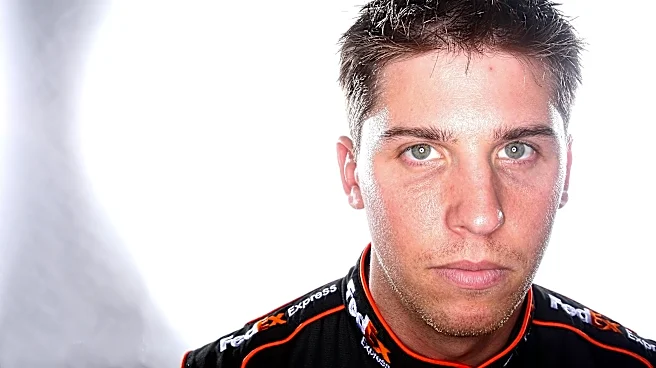
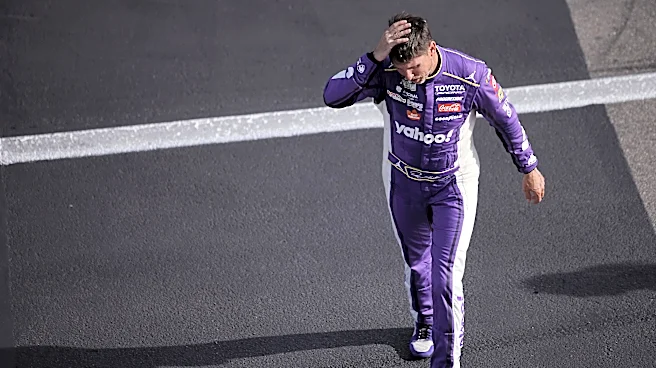
NASCAR faces a consequential offseason where it must address the significant fan feedback and viewership challenges. Denny Hamlin, a prominent driver, has publicly urged NASCAR to 'shoot for the stars' in fixing its issues, suggesting the sport needs to 'own the summer' and improve its relevance. The sport's leadership will likely need to evaluate the current race formats, car designs, and media distribution strategies in light of fan sentiment. Potential changes could include re-evaluating the stage racing format, considering modifications to the 'Gen cars' to enhance competition or fan appeal, and streamlining broadcast accessibility. The launch of new fan engagement initiatives, such as the FanSided app, indicates an effort to connect with fans, but more fundamental changes may be required to reverse the negative trends and restore fan confidence. The offseason will be a critical period for NASCAR to demonstrate responsiveness to its audience and implement strategies for renewed growth.
Beyond the Headlines
The fan outcry in NASCAR highlights a broader cultural tension within sports between tradition and innovation. While leagues often introduce changes to attract new audiences or enhance commercial viability, these changes can inadvertently alienate long-standing fans who cherish the sport's historical elements. The debate over 'stage racing' and 'Gen cars' in NASCAR is emblematic of this tension, where attempts to create more manufactured excitement or control costs clash with a desire for organic, high-horsepower competition. Furthermore, the issue of broadcast fragmentation underscores the evolving media consumption habits and the challenge for sports to adapt without losing accessibility. The long-term success of NASCAR, and similar sports, will depend on its ability to strike a delicate balance: embracing necessary evolution while preserving the core elements that define its identity and resonate with its most passionate supporters. Failure to do so risks a continued decline in relevance and audience engagement.