


What's Happening?
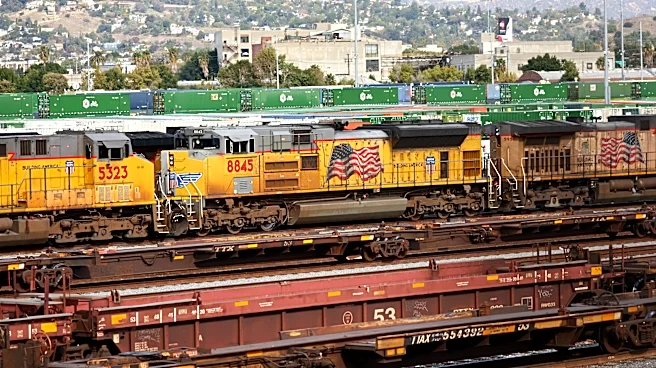
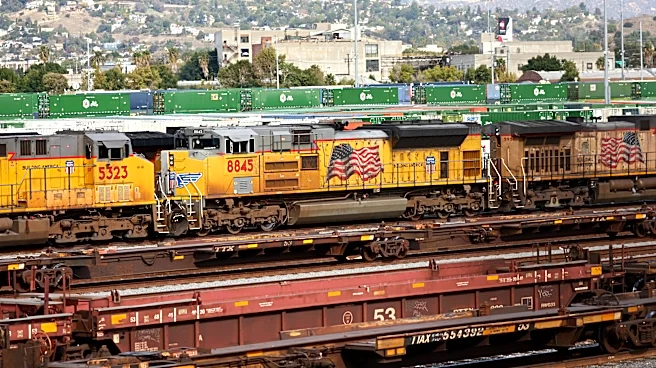
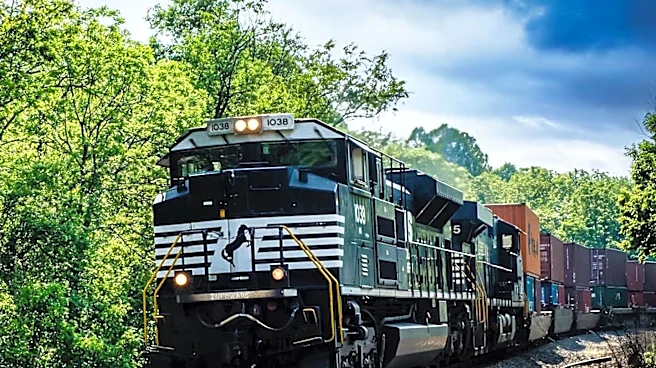
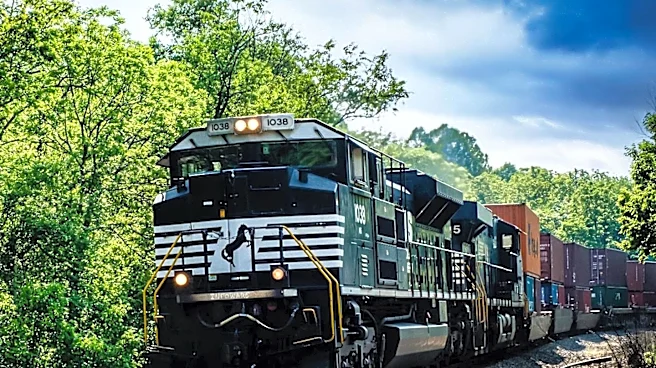
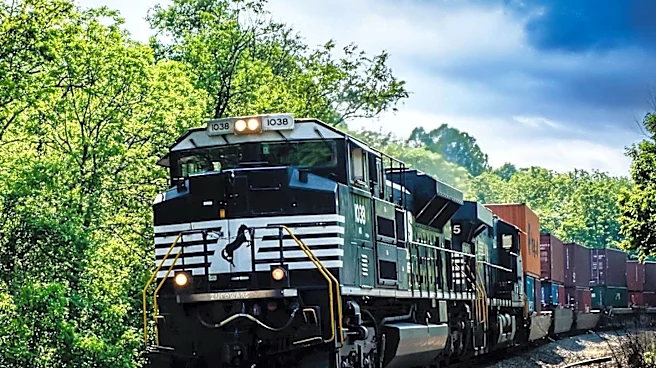
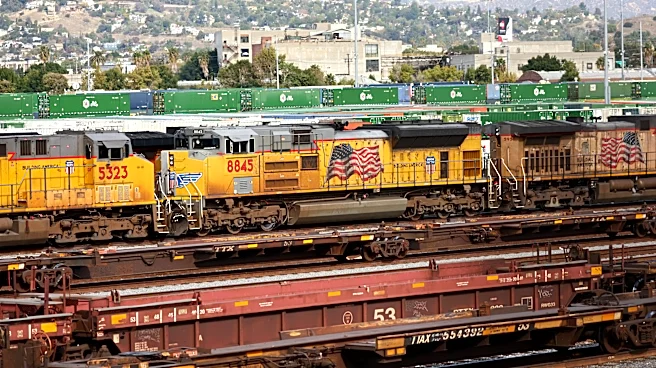
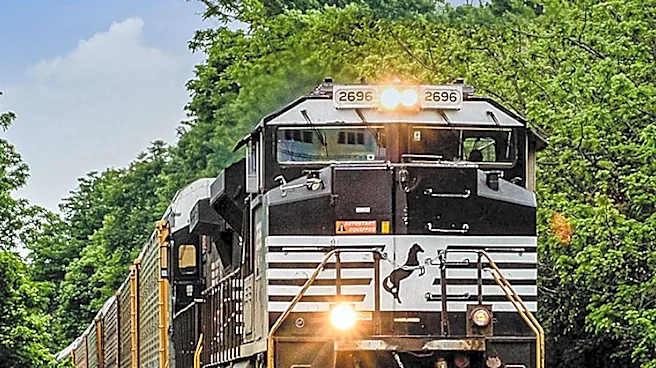
The Automotive Logistics Executive Committee (ALEC) and the Alliance for Automotive Innovation (AAI) have formally requested the Surface Transportation Board (STB) to deny the proposed merger between Union Pacific and Norfolk Southern. In their joint
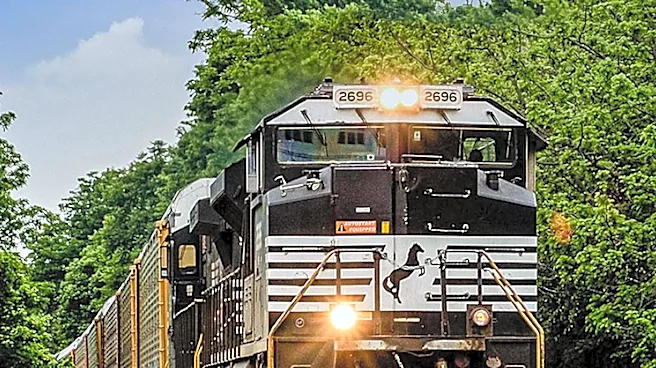
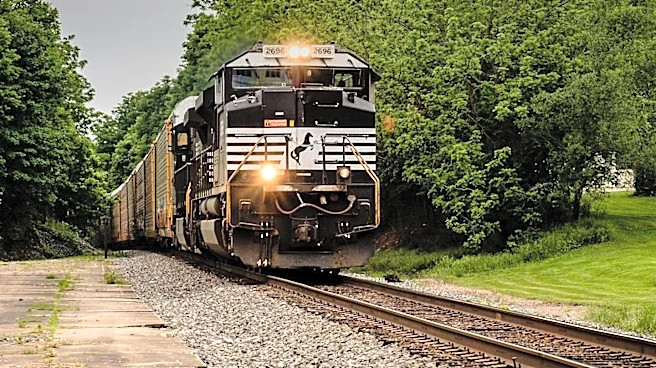
comments submitted on November 18, the associations argue that the railroad companies have not met the stringent burden of proof required by the STB's 2001 Merger Rules, which are being applied for the first time in this case. General Motors (GM) also filed separate comments, expressing concerns about potential vertical foreclosure of competing railroads, increased control over the autorack fleet, and service disruptions during the integration process. Automakers heavily rely on rail for high-volume shipments of finished vehicles, especially for distances of 300 miles or more, with approximately 38% of ALEC members' production facilities being served exclusively by either Union Pacific or Norfolk Southern. The groups emphasize that service reliability and consistency are more critical than faster single-line service for vehicle shipments.
Why It's Important?
The opposition from major auto industry groups highlights significant concerns about the potential negative impacts of the Union Pacific-Norfolk Southern merger on the automotive supply chain and broader U.S. economy. If approved, the merger could lead to reduced competition, increased transportation costs, and service disruptions for automakers, potentially affecting vehicle availability and pricing for consumers. The associations also point out that the proposed remedies, such as Committed Gateway Pricing (CGP) and service dispute resolution programs, largely exclude finished vehicle traffic, leaving automakers vulnerable. Furthermore, the merged entity would hold a dominant 56.81% ownership stake in TTX, the company supplying specialty railcars equipped with autoracks, raising concerns about control over this critical fleet. This could give the combined railroad undue influence over the allocation and management of essential equipment for vehicle transport, potentially disadvantaging other rail carriers and shippers.
What's Next?
The Surface Transportation Board's review process for the Union Pacific-Norfolk Southern merger is ongoing. Following the November 18 deadline for comments, protests, and requests for conditions, preliminary comments from the U.S. Department of Justice and the U.S. Department of Transportation are due by December 3. Responses to these comments and the applicants' rebuttal are scheduled for February 16, 2027, with final briefs due by May 28, 2027. A public hearing will be held before the final briefs are submitted, though a date has not yet been set. Federal law mandates that the STB issue a final decision within 90 days of the close of the evidentiary record. The board's decision is also contingent on the completion of an environmental review required under the National Environmental Policy Act. The outcome will significantly impact the future of rail competition and the logistics of the U.S. automotive industry.
Beyond the Headlines
The debate surrounding the Union Pacific-Norfolk Southern merger extends beyond immediate operational concerns, touching upon fundamental questions of market concentration and regulatory oversight in critical infrastructure sectors. The auto industry's strong opposition, referencing past service breakdowns following the 1996 Union Pacific-Southern Pacific merger, underscores the potential for systemic risks when major rail networks consolidate. This case will be the first application of the STB's 2001 Merger Rules, setting a precedent for future large-scale railroad mergers and potentially influencing how regulatory bodies assess market power and competition in essential industries. The outcome could also trigger further consolidation among remaining Class I railroads, such as BNSF and CSX, as they adapt to a potentially altered competitive landscape. The long-term implications involve not only the efficiency of freight transportation but also the resilience of supply chains and the broader economic competitiveness of U.S. manufacturing.