




What's Happening?
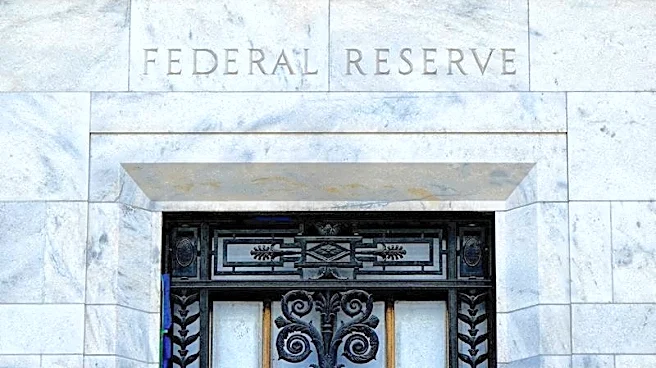
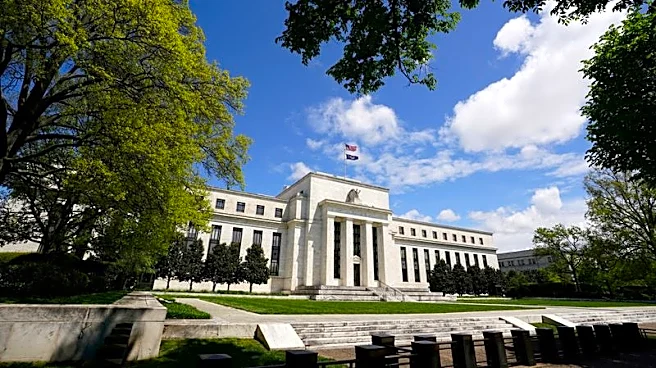
The Federal Reserve has decided to maintain its benchmark interest rate at a range of 3.5%-3.75% for the fifth consecutive meeting. This decision comes amidst a backdrop of uncertain inflationary pressures and a complex economic outlook. The decision was
not unanimous, with three Federal Reserve presidents dissenting in favor of a rate hike. The Fed's current stance reflects a cautious approach as it navigates conflicting economic signals, including recent inflation data and geopolitical tensions affecting global energy prices. The Fed's policy statement highlighted ongoing supply shocks, particularly related to the Iran conflict, as contributing factors to inflation.
Why It's Important?
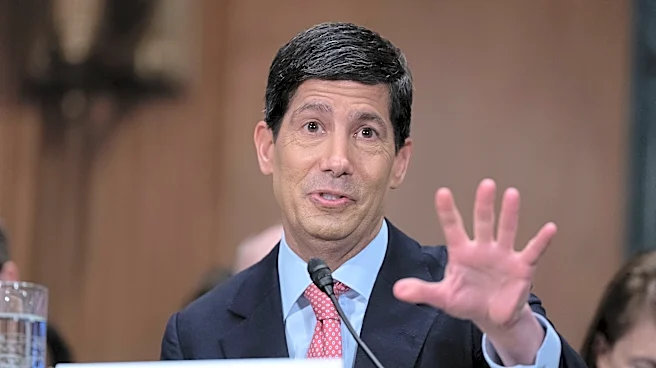
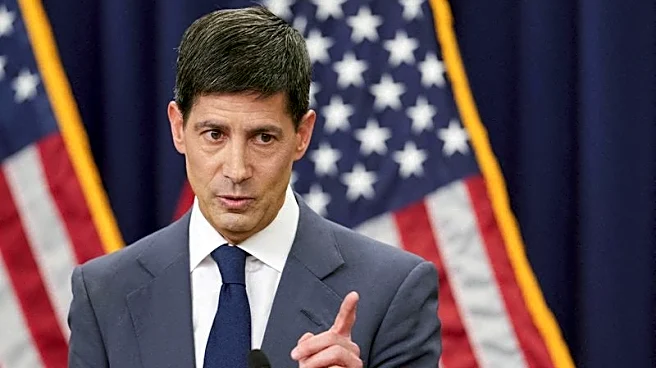
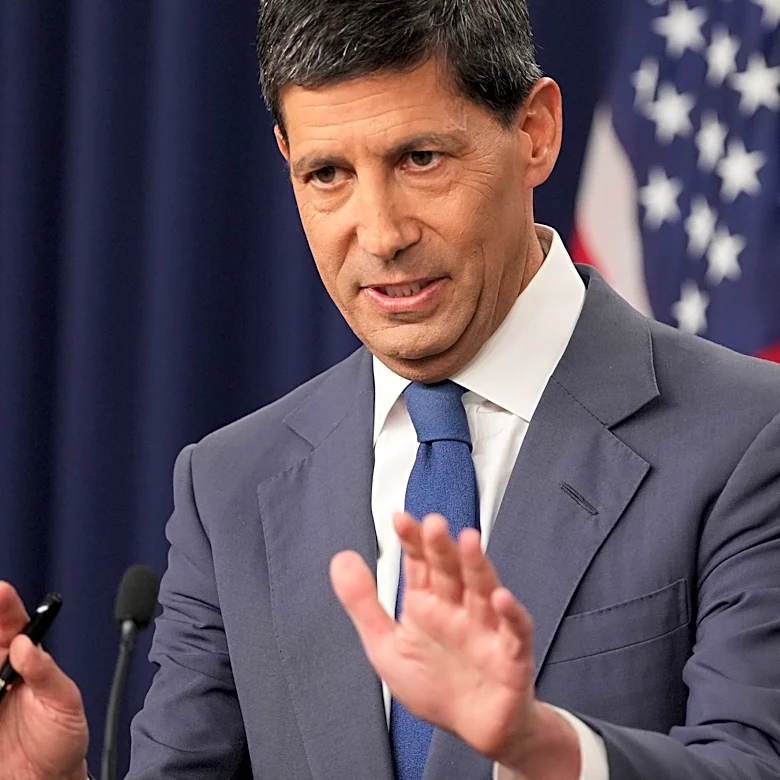
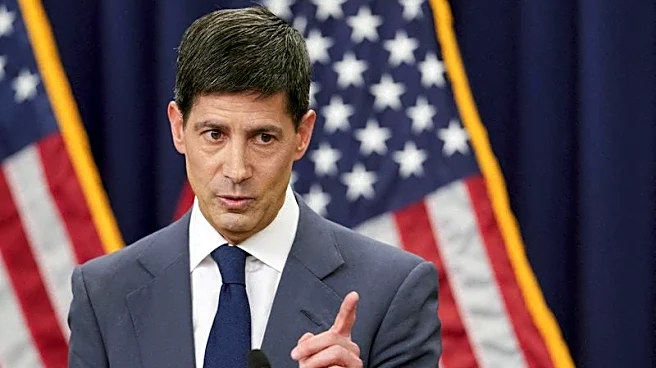
The Federal Reserve's decision to hold interest rates steady is significant as it impacts borrowing costs across the economy, influencing everything from consumer loans to business investments. The central bank's actions are closely watched by markets, as they provide insights into the Fed's assessment of economic conditions and its future policy direction. The lack of clear forward guidance from the Fed under Chairman Kevin Warsh adds to market uncertainty, potentially affecting investment decisions and economic planning. The Fed's approach to managing inflation and economic growth will have far-reaching implications for financial markets and the broader economy.
What's Next?
Looking ahead, the Federal Reserve may need to adjust its policy stance if inflationary pressures persist or economic conditions change. The central bank's future decisions will likely be influenced by ongoing economic data, geopolitical developments, and the evolving impact of technological advancements such as artificial intelligence. Market participants will be closely monitoring the Fed's communications and any shifts in its policy framework. The Fed's ability to balance inflation control with economic growth will be critical in shaping the economic landscape in the coming months.