





What's Happening?
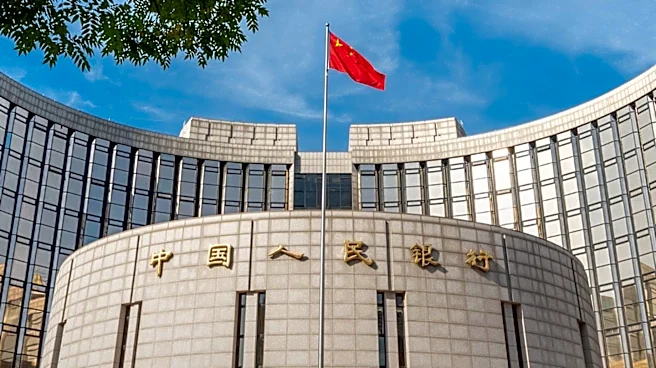
Chinese commercial banks have been actively purchasing U.S. Treasuries over the past few months, a strategic shift driven by an increase in dollar deposits. This development comes as these banks have raised dollar deposit rates, with some offering rates above
3% since June and even close to 4% at smaller or foreign lenders since August for account holders with balances exceeding $50,000. This move contrasts with the capped dollar interest rates of 2.8% on most deposits by China's 'Big Five' state-owned lenders since 2023. The purchases are seen as an attractive investment opportunity for Chinese banks, especially given the low yields on Chinese government bonds and regulatory scrutiny on domestic bond market investments. The 10-year U.S. Treasury yield has risen by over 30 basis points since early June to 4.76%, influenced by inflation concerns, U.S. debt worries, and an improved U.S. growth outlook. Sources indicate that banks are reluctant to convert yuan to dollars themselves due to recent regulatory oversight on offshore investments.
Why It's Important?
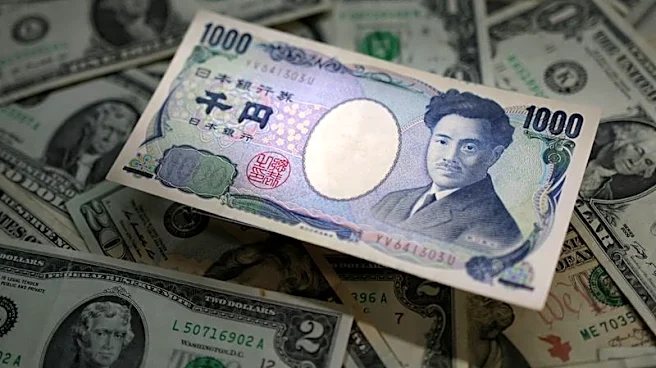
This shift in investment strategy by Chinese banks has several significant implications. For the U.S. economy, increased purchases of Treasuries by foreign entities like Chinese banks can help stabilize or even lower U.S. borrowing costs, as it signals continued demand for U.S. debt. This could indirectly support U.S. fiscal policy and reduce the burden of financing the national debt. For China, this strategy helps banks generate income from higher-yielding U.S. assets, compensating for the low returns on domestic bonds. It also provides a mechanism to manage the influx of dollar deposits, potentially slowing gains in the yuan. The move highlights the interconnectedness of global financial markets and how domestic economic conditions in one country can influence investment flows into another. The increased demand for dollar deposits in China, spurred by higher interest rates, suggests a growing appetite for dollar-denominated assets among Chinese investors, which could have broader implications for currency valuations and capital flows.
What's Next?
The trend of Chinese banks buying U.S. Treasuries is likely to continue as long as U.S. yields remain attractive compared to domestic Chinese bond yields and dollar deposits continue to grow. This could lead to further discussions and potential policy responses from both U.S. and Chinese financial authorities regarding capital flows and currency stability. The People's Bank of China (PBOC) may monitor these developments closely, especially concerning any significant impact on the yuan's value or China's overall foreign exchange reserves. U.S. policymakers will likely observe these foreign investment patterns as indicators of global confidence in U.S. debt and economic stability. Future actions could include adjustments in interest rate policies by central banks in both countries or new regulatory measures to manage cross-border financial transactions. The ongoing U.S. growth outlook and inflation trends will also play a crucial role in determining the attractiveness of U.S. Treasuries for foreign investors.
Beyond the Headlines
Beyond the immediate financial implications, this development underscores a complex interplay of economic forces and regulatory environments. The reluctance of Chinese banks to convert yuan to dollars themselves, due to regulatory scrutiny, highlights the Chinese government's ongoing efforts to control capital outflows and maintain financial stability. This situation also reflects a broader global search for yield in a low-interest-rate environment, pushing investors towards higher-yielding assets, even across national borders. The increased demand for dollar deposits in China could also be interpreted as a hedging strategy by Chinese entities against potential domestic economic uncertainties or a desire to diversify assets. This dynamic could subtly influence geopolitical relations, as financial interdependence often creates shared interests and vulnerabilities between nations. The long-term implications could include a gradual shift in global reserve asset preferences or a re-evaluation of risk-reward profiles in international investment portfolios.