




What's Happening?
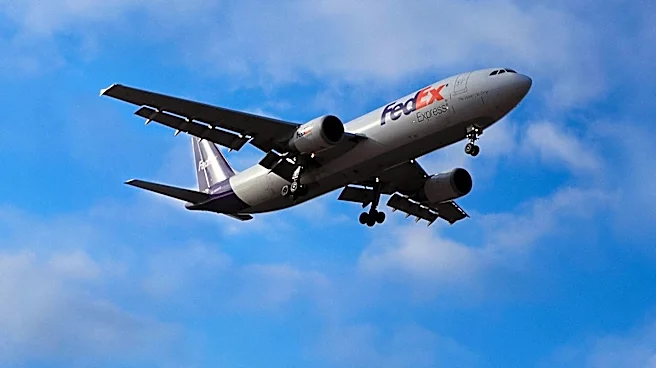
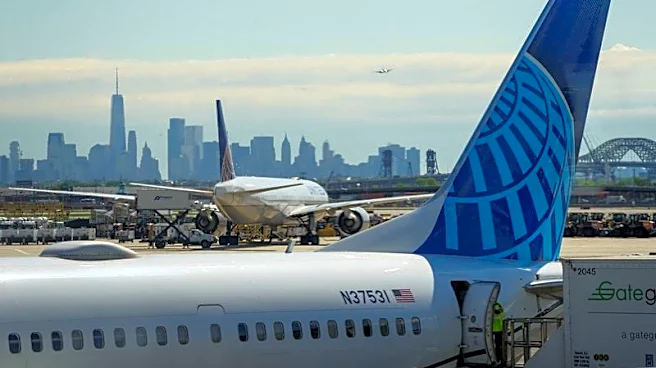
FedEx is significantly expanding its procurement of Sustainable Aviation Fuel (SAF) through new agreements projected to secure over 20 million gallons of neat SAF across five major U.S. airports by 2027. These airports include Newark Liberty International
Airport (EWR), Oakland International Airport (OAK), Miami International Airport (MIA), John F. Kennedy International Airport (JFK), and Dallas Fort Worth International Airport (DFW). The agreements are expected to deliver SAF at blend ratios ranging from 30% to 50%, depending on the specific location. This initiative is a key part of FedEx's broader goal to source 30% of its jet fuel from blended alternative sources by 2030 and to achieve carbon-neutral operations by 2040. According to Greg Paulus, Vice President of Enterprise Sourcing, these latest agreements are facilitated, in part, by state and federal level incentives.
Why It's Important?
This expansion of SAF procurement by FedEx holds significant importance for the U.S. aviation industry and environmental policy. By committing to such a large volume of SAF, FedEx is driving demand and signaling a strong market for sustainable fuels, which can encourage further investment and production in the sector. This move supports the broader U.S. goal of decarbonizing air travel and reducing the environmental impact of logistics and transportation. The involvement of state and federal incentives highlights a growing public-private partnership approach to addressing climate change. For FedEx, this initiative not only aligns with its carbon-neutrality goal but also enhances its reputation as an environmentally responsible company, potentially attracting eco-conscious customers and investors. It also sets a precedent for other major carriers to follow suit, accelerating the adoption of SAF across the industry.
What's Next?
FedEx plans to continue evaluating opportunities to expand its use of SAF as the market for these fuels develops. This suggests ongoing efforts to secure additional agreements and potentially increase the blend ratios at existing locations. The success of these agreements, particularly in terms of operational efficiency and cost-effectiveness, will likely influence future procurement strategies. Other airlines and logistics companies will be closely observing FedEx's progress, which could lead to a ripple effect of increased SAF adoption across the U.S. and globally. Furthermore, the continued role of state and federal incentives will be crucial in supporting the growth and accessibility of SAF, indicating potential for further policy developments to encourage sustainable practices in aviation.
Beyond the Headlines
The commitment by FedEx to significantly increase its SAF usage points to a deeper shift in corporate environmental responsibility and the evolving landscape of sustainable logistics. Beyond the immediate environmental benefits of reduced emissions, this initiative could spur innovation in biofuel production technologies and supply chain development. It also underscores the increasing pressure on corporations to demonstrate tangible actions towards sustainability, driven by consumer demand, regulatory frameworks, and investor expectations. The reliance on state and federal incentives highlights the economic challenges associated with transitioning to greener fuels and the necessity of governmental support to bridge the cost gap between traditional jet fuel and SAF. This trend could lead to a more integrated approach where environmental goals are intertwined with economic policy and technological advancement in the transportation sector.