





What's Happening?
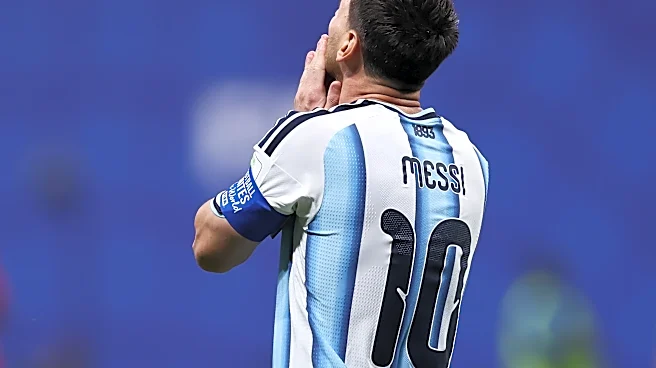
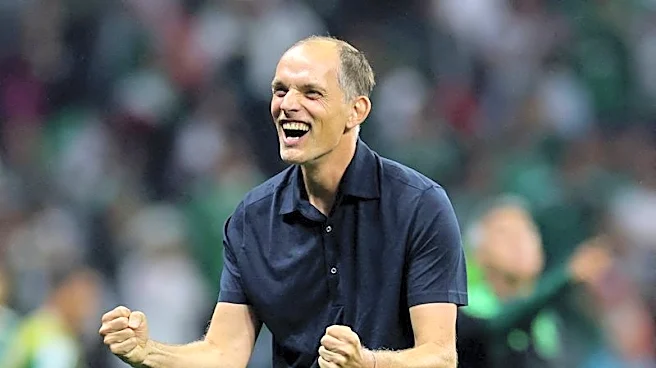
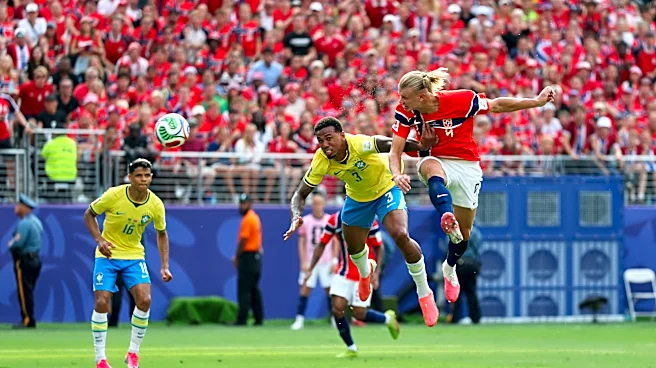
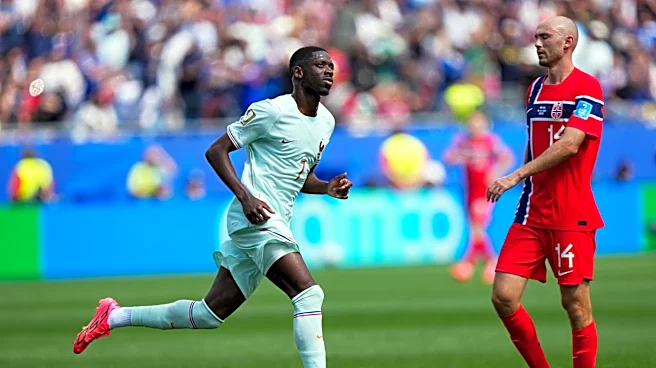
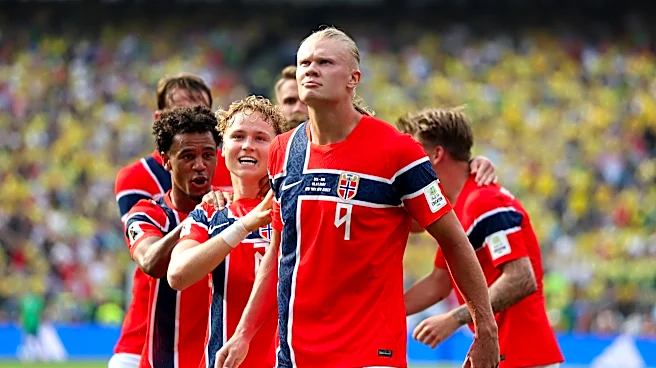
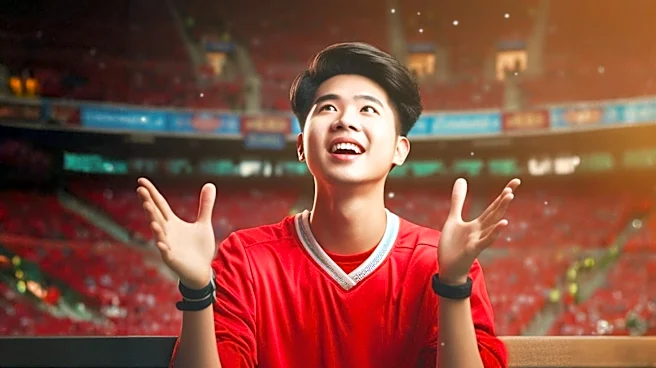
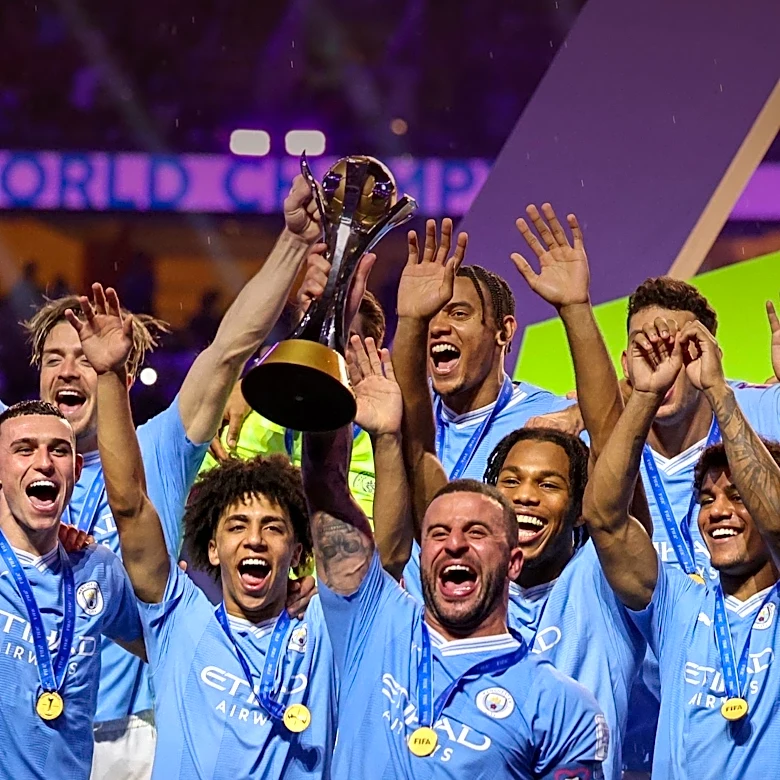
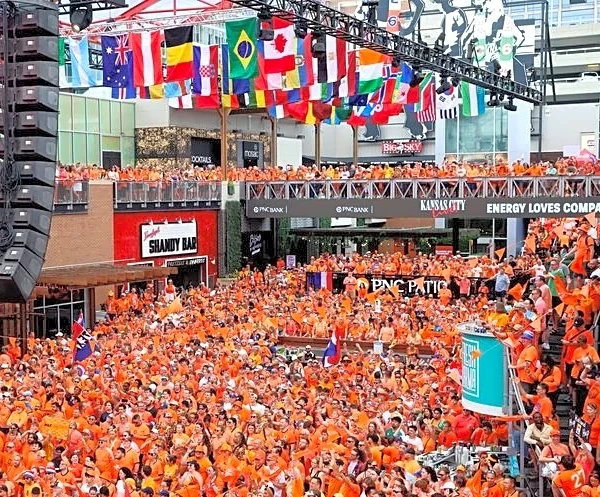
The FIFA World Cup has emerged as a significant event allowing men to express joy and giddiness in public, a rare occurrence due to societal norms around masculinity. The tournament, which takes place every four years, has seen fans from various countries,
such as Norway, Scotland, and Brazil, engaging in celebratory activities that highlight national identity and camaraderie. These moments of joy are often shared widely on social media, showcasing men in a state of unmediated emotion, which is typically discouraged by hegemonic masculinity. The World Cup's global scale and its focus on national teams rather than club allegiances create a unique environment for these expressions of joy.
Why It's Important?
The ability for men to express joy publicly during the World Cup challenges traditional norms of masculinity that often restrict emotional expression. This phenomenon highlights a broader sociopolitical context where joy is seen as integral to a liberation ethic, as noted by activists like adrienne maree brown. The event provides a safe space for men to experience and share emotions, fostering a sense of community and connection. This is particularly significant in a world where male emotional expression is often limited to anger or dominance. The World Cup thus serves as a radical act of resistance against these norms, promoting a more inclusive understanding of masculinity.