




What's Happening?
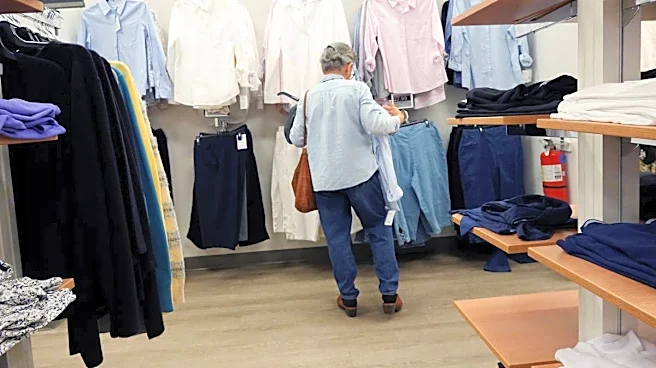
World Cup fans visiting the United States are engaging in extensive shopping sprees, purchasing items ranging from electronics to everyday products. Many international visitors are taking advantage of lower prices and the availability of certain brands
in the U.S. that are either more expensive or unavailable in their home countries. For instance, Andre Fontana from Brazil filled his suitcases with clothes, electronics, and cosmetics, citing better quality and lower prices as key factors. The influx of tourists has led to increased traffic in malls and outlet centers, with sportswear retailers like Adidas and Nike seeing a surge in sales. This trend highlights the dual appeal of the World Cup as both a sporting and shopping event.
Why It's Important?
The shopping behavior of World Cup fans underscores the economic impact of major international events on host countries. The influx of tourists not only boosts local economies through direct spending on accommodation and food but also through retail purchases. This phenomenon benefits a wide range of businesses, from large retail chains to small local shops. The increased demand for American products also highlights the global appeal of U.S. brands and the potential for cross-cultural consumer trends. As international visitors continue to flock to the U.S. for the World Cup, the economic benefits are likely to extend beyond the duration of the tournament.
What's Next?
Retailers and businesses in host cities are expected to continue capitalizing on the World Cup's economic opportunities by offering themed merchandise and promotions. As the tournament progresses, businesses may also explore partnerships with event organizers to enhance the shopping experience for visitors. Additionally, the trend of international shopping sprees may influence future marketing strategies for U.S. brands looking to expand their global reach.